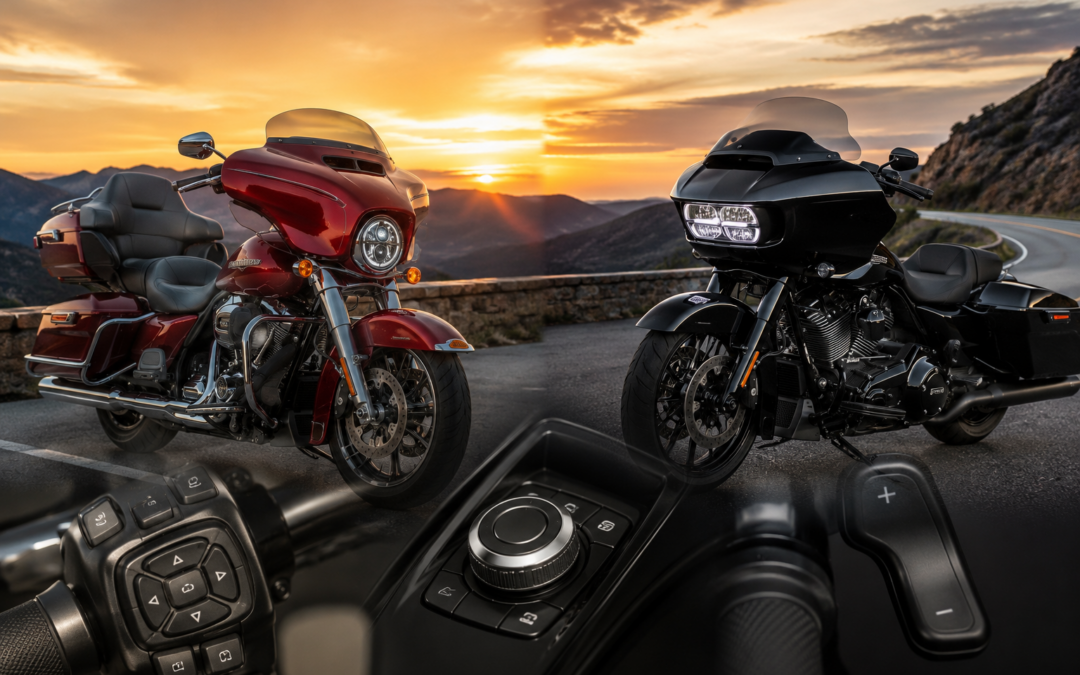
For decades, Harley-Davidson and Indian have built some of the finest touring motorcycles ever produced. The Milwaukee-Eight and PowerPlus engines produce incredible torque, unmistakable sound, and the kind of character that keeps riders loyal for life.
But there’s one area where I believe both manufacturers are falling behind: offering riders the choice of an automatic transmission and an electric low-speed forward and reverse assist.
Notice I said choice.
I’m not suggesting Harley or Indian abandon the traditional manual transmission. The clutch lever and foot shifter are part of the experience many riders love. Those motorcycles should always remain available.
What I am suggesting is that riders should have the option to purchase the same motorcycle with technology that makes riding easier, safer, and accessible to more people.
The Riding Population Is Changing
The average touring motorcycle rider today isn’t 25 years old.
Many of us have been riding for decades.
We’re veterans.
We’re professionals.
We’re retired.
We’re grandparents.
We still love riding 500-mile days, crossing the country, and chasing sunsets down winding highways.
But we’re also dealing with realities that didn’t exist when we were 30 years old.
Many experienced riders now have:
- Arthritis
- Knee replacements
- Shoulder injuries
- Wrist pain
- Reduced grip strength
- Hip replacements
- Back problems
- Neuropathy
- Other physical limitations that make constant clutch use difficult
None of those conditions take away our passion for motorcycles.
They simply make operating a heavy touring motorcycle more physically demanding.
Stop-and-Go Traffic Isn’t Fun
Ask almost any touring rider what they dislike most.
Very few will say mountain roads.
Very few will complain about long highway miles.
Most will mention sitting in traffic.
Holding in a heavy clutch for miles while creeping along at walking speed quickly becomes exhausting.
An automatic transmission would eliminate thousands of unnecessary clutch pulls during a long ride while preserving everything riders love once the road opens up.
Technology Already Exists
This isn’t science fiction.
Honda has successfully used its Dual Clutch Transmission (DCT) on the Gold Wing and other motorcycles for years.
BMW now offers automated shifting technology.
Yamaha has entered the market with automated manual transmission systems.
These motorcycles have demonstrated that riders can still enjoy performance, control, and reliability without a traditional clutch lever.
American manufacturers don’t need to invent the technology.
They simply need to decide their customers deserve the option.
Preserve Tradition—Don’t Replace It
One of the biggest objections whenever automatic motorcycles are discussed is:
“That’s not a real motorcycle.”
I respectfully disagree.
No one is proposing eliminating manual transmissions.
Offer both.
If you love shifting gears yourself, buy the manual.
If you’d rather spend your energy enjoying the scenery than working a clutch in city traffic, buy the automatic.
Choice doesn’t diminish tradition.
It expands it.
The Next Generation May Expect It
Today’s younger riders grew up driving automatic cars.
Many have never driven a manual transmission.
That doesn’t mean they’re less passionate about motorcycles.
It simply means they’re accustomed to different technology.
Some prospective riders are intimidated by learning clutch control.
Others worry about stalling in traffic.
An automatic option removes one of the biggest barriers to entering motorcycling while allowing new riders to focus on traffic awareness, braking, cornering, and defensive riding.
Anything that safely introduces more responsible riders to our community should be seriously considered.
Make Touring Easier
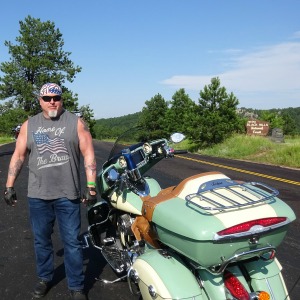
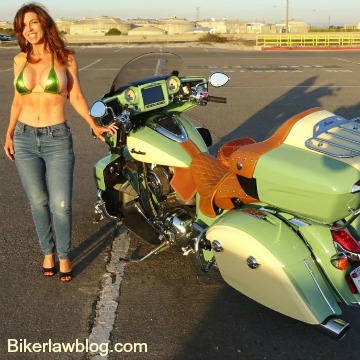
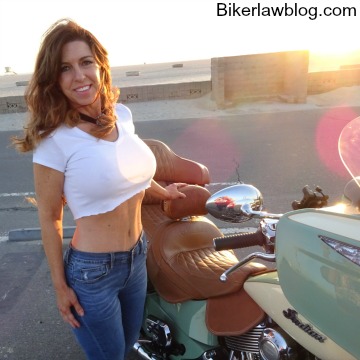
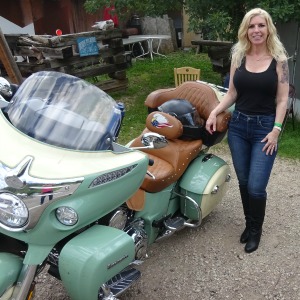
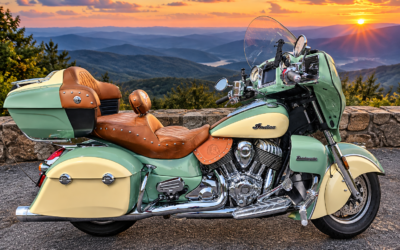
Imagine riding across the country on a Harley-Davidson Road Glide or an Indian Roadmaster.
You’re crossing multiple states.
You’ve already ridden 450 miles.
You hit construction traffic for the next 20 miles.
Instead of constantly feathering the clutch, your motorcycle handles the shifting.
When traffic clears, you simply roll on the throttle and enjoy the ride.
That isn’t taking away the riding experience.
It’s improving it.
Add an Electric Low-Speed Assist
There is another feature I believe deserves serious consideration.
Every rider of a full-size touring motorcycle has experienced that uncomfortable moment.
You’re backing into a parking space.
The pavement slopes unexpectedly.
The motorcycle weighs nearly 900 pounds.
You lose momentum.
Now you’re trying to push a fully loaded touring bike uphill while balancing it.
One mistake can result in an embarrassing—and expensive—tip-over.
Honda addressed this years ago by giving the Gold Wing an electric walking mode that slowly moves the motorcycle both forward and backward.
It isn’t intended for riding.
It isn’t a substitute for skill.
It simply provides controlled movement while parking.
Imagine pressing a switch that allows your Harley or Indian to slowly creep:
- Forward
- Reverse
- At walking speed
- Under complete electronic control
This would dramatically reduce parking lot tip-overs while making these motorcycles more accessible to riders of every size and age.
Safety Isn’t Weakness
Some people equate new technology with weakness.
I see it differently.
We accepted:
- Fuel injection.
- Anti-lock brakes.
- Traction control.
- Cornering ABS.
- Ride modes.
- Tire pressure monitoring.
- Electronic suspension.
- Adaptive headlights.
- Navigation.
- Bluetooth communication.
None of those innovations made motorcycles less enjoyable.
They made them better.
Automatic transmissions and low-speed electric assist belong in that same category.
Think About the Riders Who Left
How many former riders stopped riding because:
- Their knees hurt.
- Their hands couldn’t operate the clutch anymore.
- Their spouse worried about dropping a heavy motorcycle.
- They simply weren’t physically able to manage an 850-pound touring bike.
Many of those riders still watch motorcycle videos.
They still attend rallies.
They still miss riding.
A motorcycle that’s easier to operate could bring many of them back to the lifestyle they love.
A Business Opportunity
From a business standpoint, offering an automatic transmission isn’t merely about convenience.
It’s about expanding the market.
Potential buyers include:
- Older riders who want to continue touring.
- Returning riders with physical limitations.
- New riders intimidated by manual shifting.
- Couples who share one motorcycle.
- Riders with disabilities.
- Riders who spend significant time in urban traffic.
- Riders transitioning from scooters or automatic vehicles.
Those customers represent thousands of motorcycles that might otherwise never be sold.
Let Riders Decide
Motorcycling has always been about freedom.
Freedom to choose your destination.
Freedom to choose your route.
Freedom to customize your motorcycle.
Why shouldn’t riders also have the freedom to choose how they shift?
Nobody is asking Harley-Davidson or Indian to eliminate manual transmissions.
We’re simply asking them to offer another option.
If you love shifting, keep shifting.
If you want an automatic, buy one.
The market—not tradition—should decide which riders prefer which experience.
Final Thoughts
Motorcycling has always evolved.
We don’t ride rigid-frame motorcycles with acetylene lamps and hand-shift transmissions anymore.
Technology has improved comfort, reliability, safety, and performance without destroying what makes motorcycles special.
An automatic transmission and an electric low-speed forward/reverse assist would not change the soul of a Harley-Davidson or an Indian.
The sound would remain.
The torque would remain.
The freedom would remain.
The adventure would remain.
What would change is this:
More people would keep riding longer.
More people would begin riding.
More people would experience the incredible joy of touring America on two wheels.
As riders, we often say it’s the journey that matters.
If technology helps more people enjoy that journey for more years, that’s a future worth embracing.
About the Author
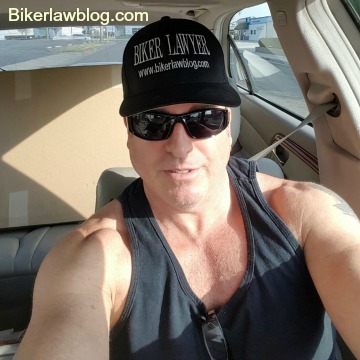
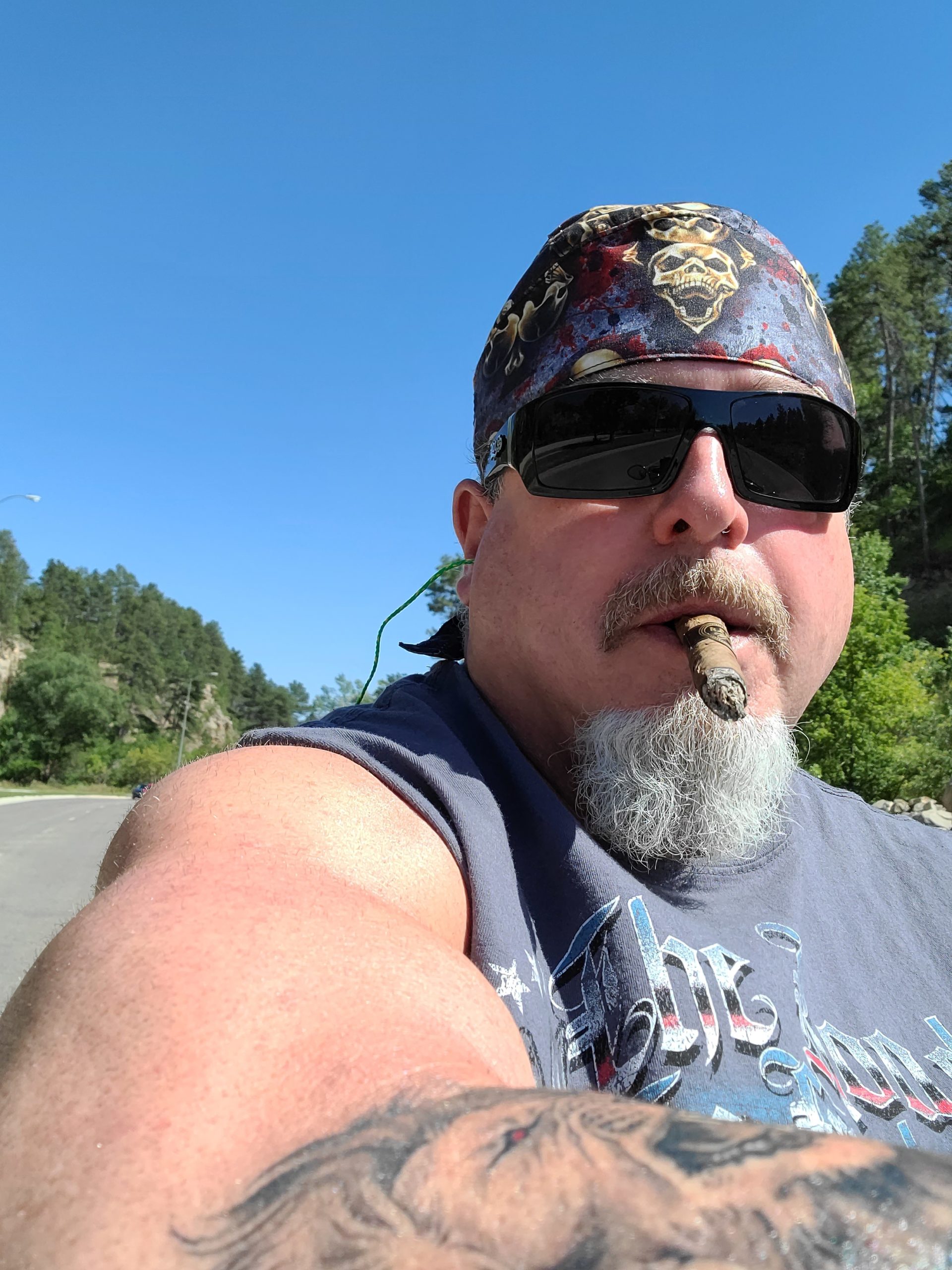
Norman Gregory Fernandez is a California personal injury trial attorney, lifelong motorcyclist, U.S. Air Force Cold War veteran, and founder of The Law Office of Norman Gregory Fernandez & Associates. With nearly 30 years of experience representing injured motorcyclists and other accident victims throughout California, he brings both legal knowledge and real-world riding experience to every article he writes.
Unlike many attorneys who simply handle motorcycle cases, Norman rides the same roads as his clients and understands the unique challenges motorcyclists face—from long-distance touring and motorcycle safety to rider visibility, road hazards, and the split-second decisions that can mean the difference between avoiding a crash and suffering life-changing injuries.
Through the Biker Law Blog, he combines practical riding advice, legal education, and commentary on issues affecting the motorcycling community, with one goal: helping riders stay safe, stay informed, and stay on the road.
To learn more, visit:
- Biker Law Blog: https://bikerlawblog.com
- The Law Office of Norman Gregory Fernandez & Associates: https://thepersonalinjury.com
- Free Consultation: (800) 816-1529