
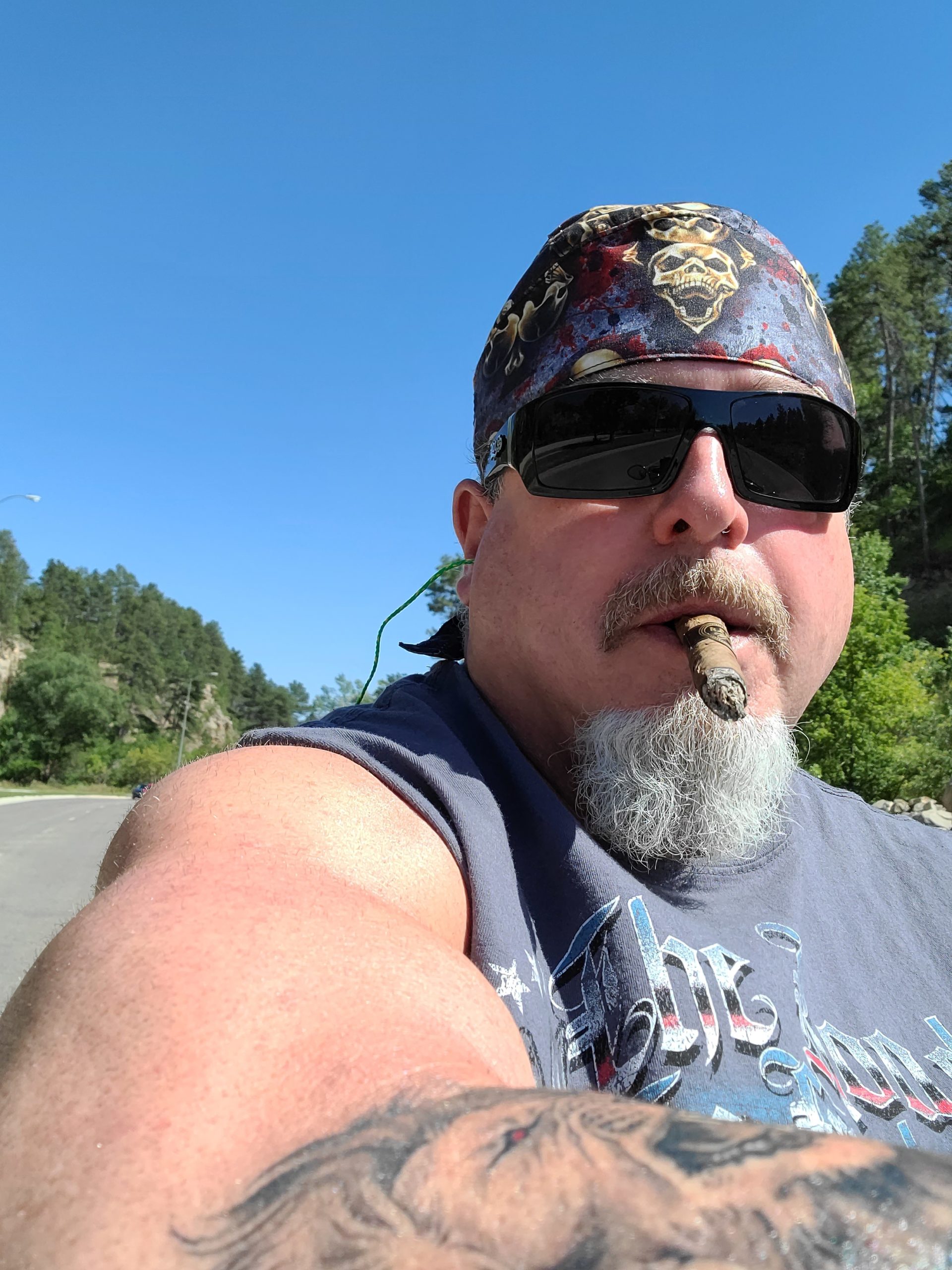
Is the Sturgis Motorcycle Rally Slowly Dying? What I Saw From 2012 Through 2023
I have been going to the Sturgis Motorcycle Rally for a long time.
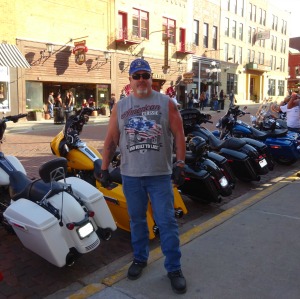
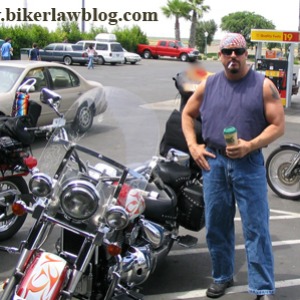
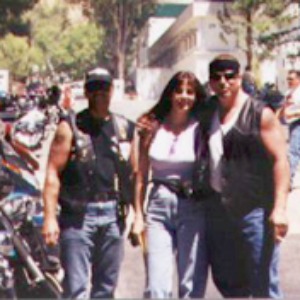
My first trip was in 2012, and from 2012 through 2023, I went every year except 2020, when COVID changed just about everyone’s travel plans. Over those years, I have ridden thousands of miles getting to and from Sturgis, stayed at the legendary Glencoe Camp Resort, ridden the Black Hills, partied with bikers from all over the country, and watched the rally change before my eyes.
I love Sturgis. There is nothing else quite like it.
But I also think anyone who has been attending for a decade or more has to acknowledge something: Sturgis isn’t the same rally it was when I first started going.
And I worry about where it is headed.
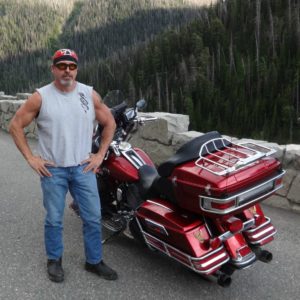
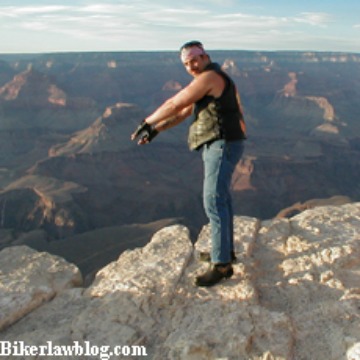
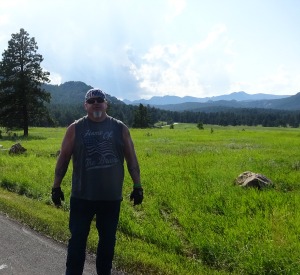
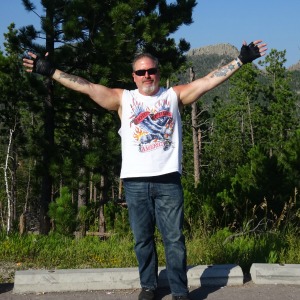
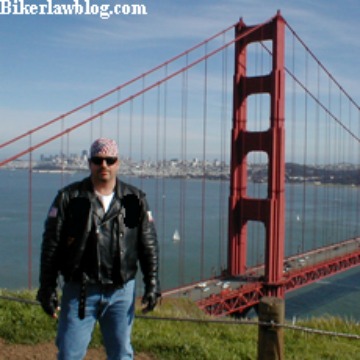
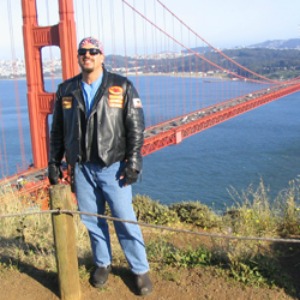
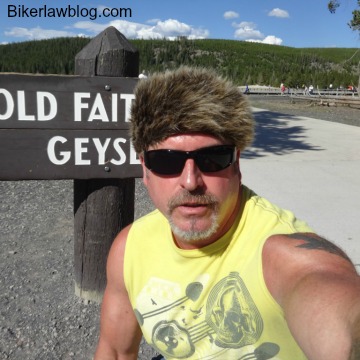
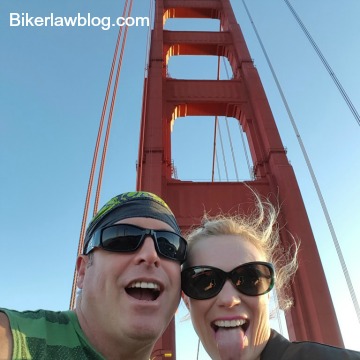
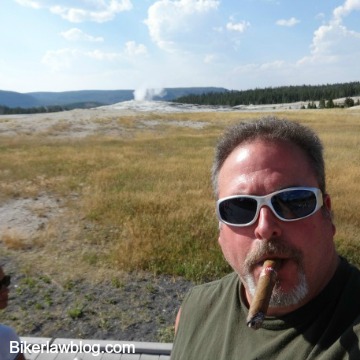
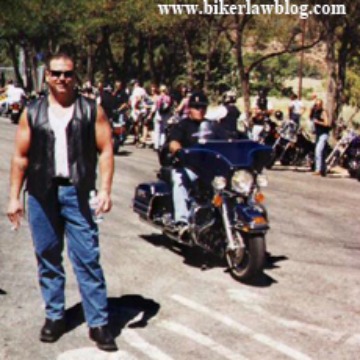
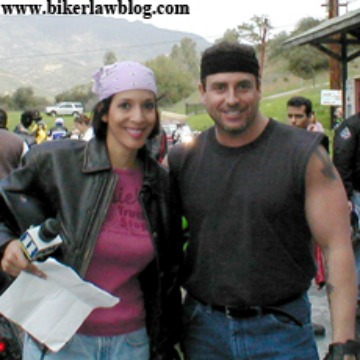
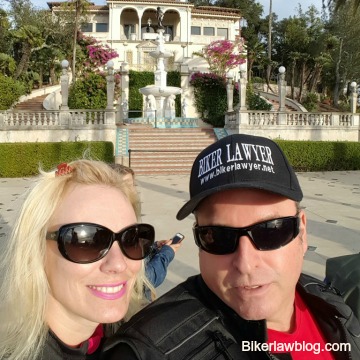
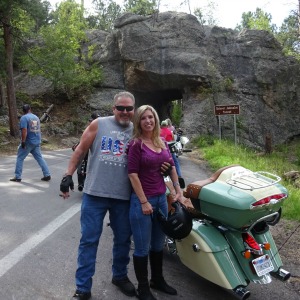
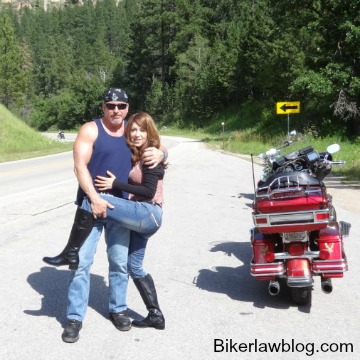
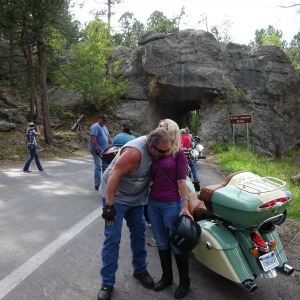
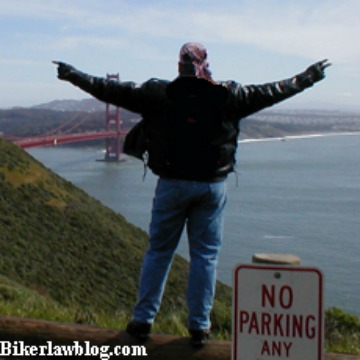
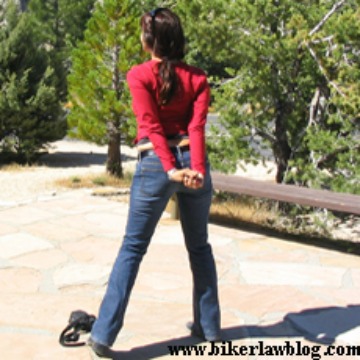
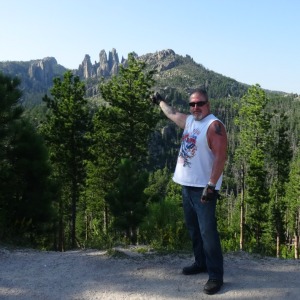
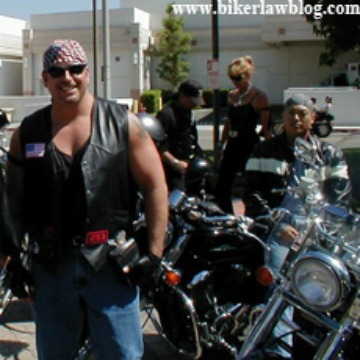
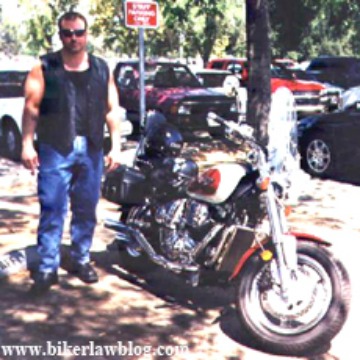
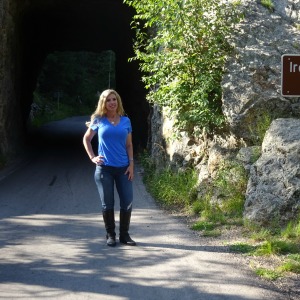
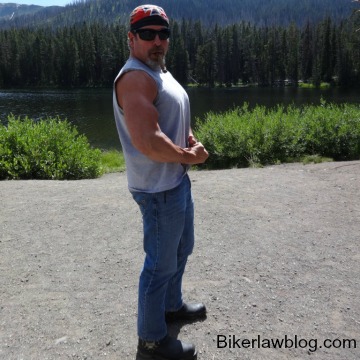
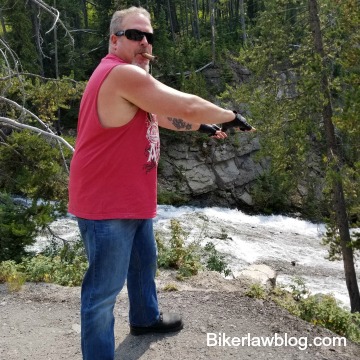
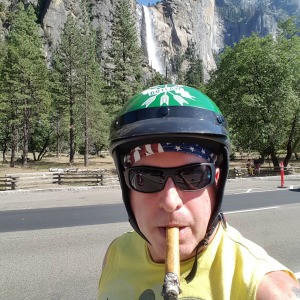
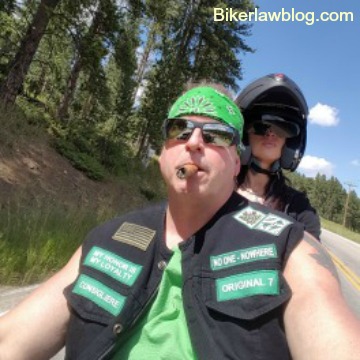
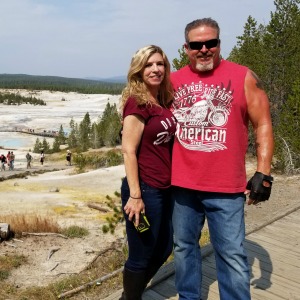
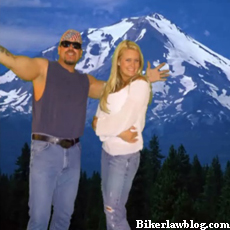
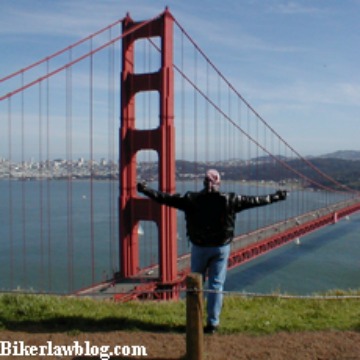
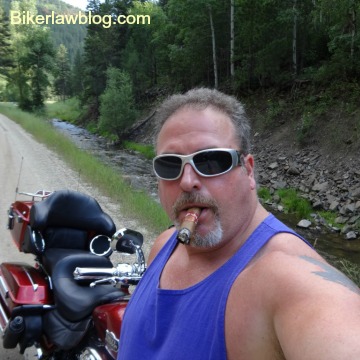
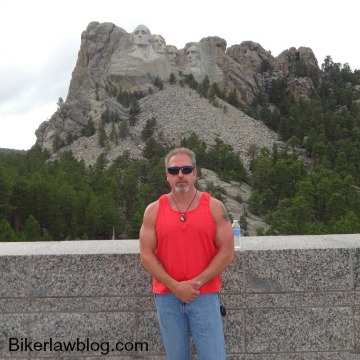
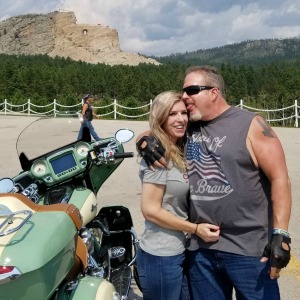
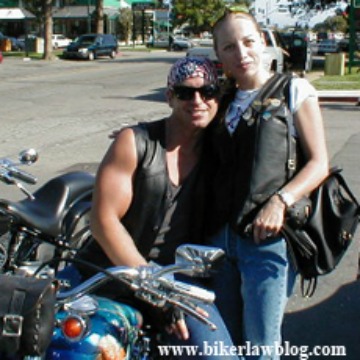
www.injuredbikers.com founder and Motorcycle Accident Lawyer Norman Gregory Fernandez in the Yellowstone National Forest After the 2014 Sturgis Motorcycle Rally
2015 Was the High-Water Mark
If there was one year that stands out in my memory, it was 2015—the 75th anniversary of the Sturgis Motorcycle Rally.
That rally was absolutely massive.
This isn’t just my memory playing tricks on me. According to the City of Sturgis, estimated attendance in 2015 reached approximately 739,000 people. Official South Dakota traffic counts also show just how extraordinary that year was compared with those that followed.
You could feel it everywhere.
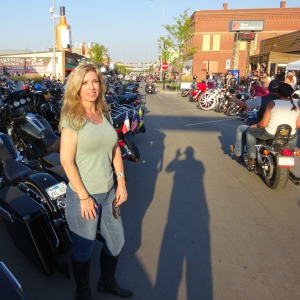
The roads were packed. Sturgis was packed. The bars were packed. The campgrounds were packed.
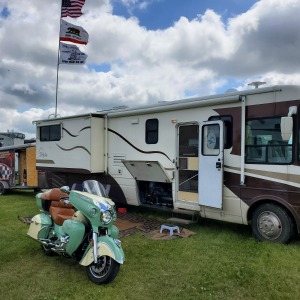
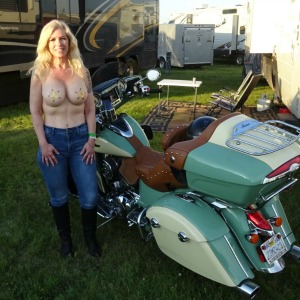
Glencoe was an experience unto itself.
Those of you who stayed at Glencoe during those years know exactly what I am talking about. It wasn’t merely someplace to park an RV or pitch a tent. Glencoe was part of the Sturgis experience.
There were thousands of motorcycles, huge nighttime crowds, concerts, parties and all sorts of craziness going on seemingly everywhere.
And it didn’t end after a couple of nights.
The party lasted all week.
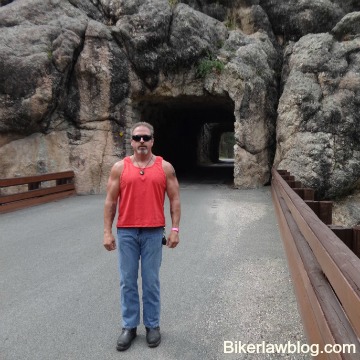
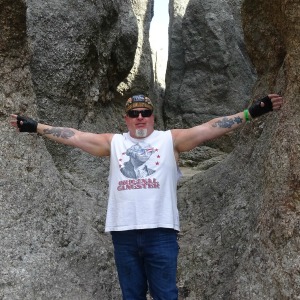
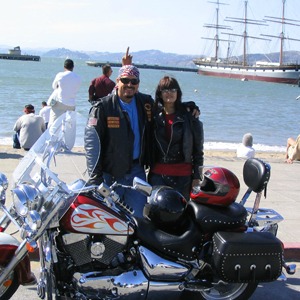
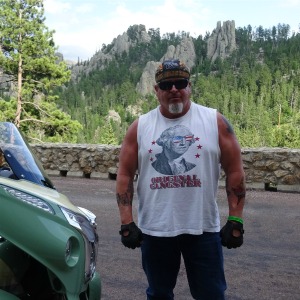
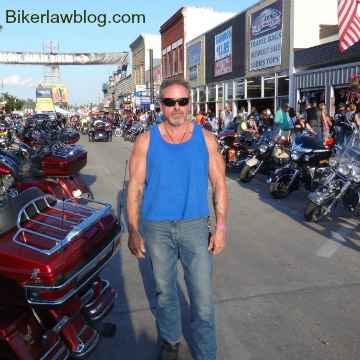
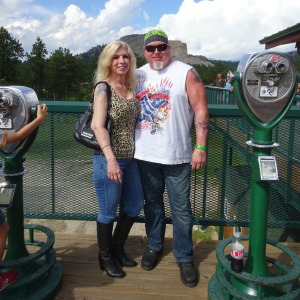
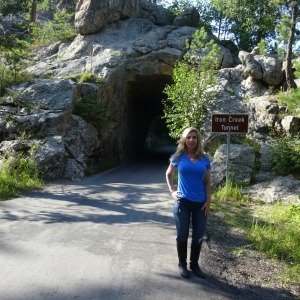
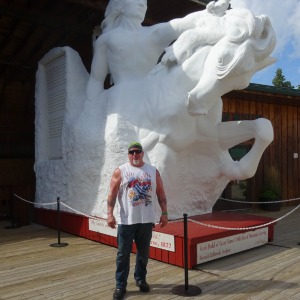
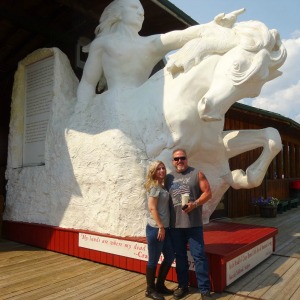
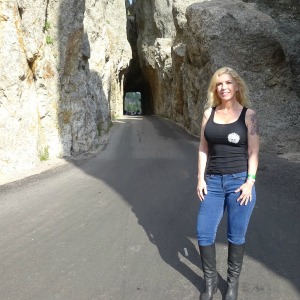
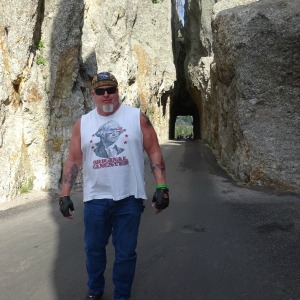
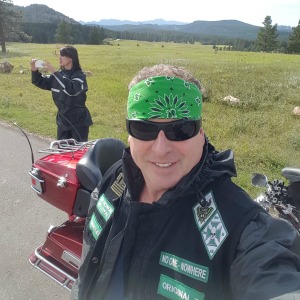
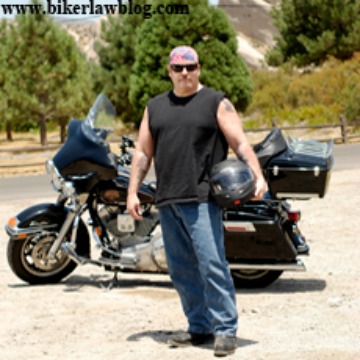
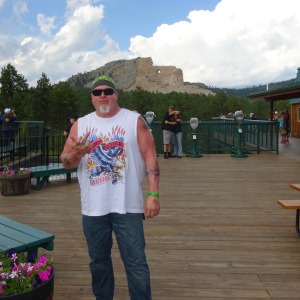
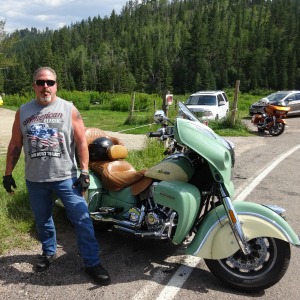
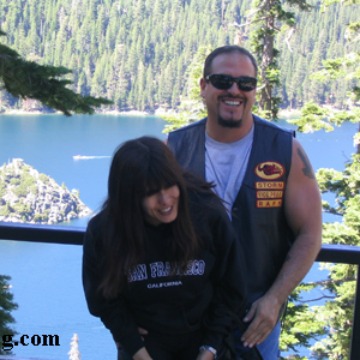
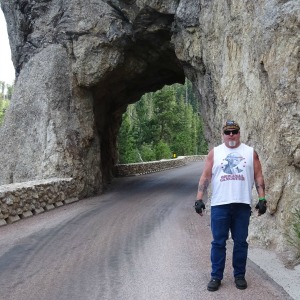
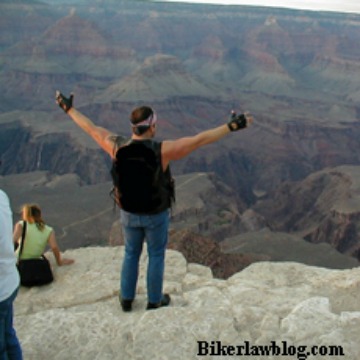
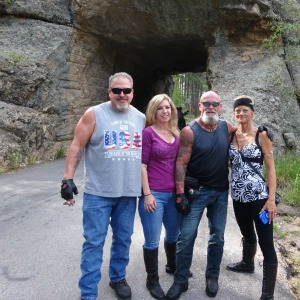
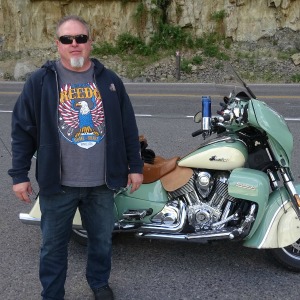
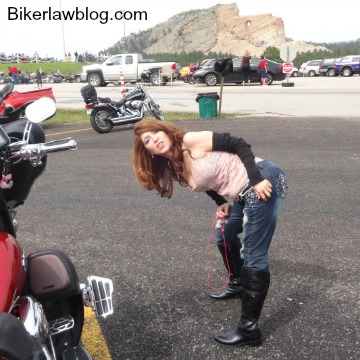
Biker lawyer Norman Gregory Fernandez in Custer national Park, Sturgis 2015
Something Changed After 2015
Beginning after 2015, I started noticing a change.
At first, I wondered whether I was imagining it.
I wasn’t.
The official numbers show how dramatic the immediate decline was. The 2015 rally was estimated at 739,000 attendees. The city’s estimate fell to approximately 448,000 in 2016. Attendance subsequently rebounded somewhat, but nothing I experienced through 2023 felt remotely like 2015.
But total attendance numbers don’t tell the entire story.
What struck me even more was how quickly the rally seemed to die out during the week.
Years ago, you could expect the party to continue throughout the rally.
By my later trips, particularly at Glencoe, things were noticeably different.
The first weekend might be crazy. Monday and Tuesday could still have plenty going on.
But then Wednesday would arrive.
And it seemed like somebody flipped a switch.
People started packing their RVs. Bikes disappeared. Campsites emptied. The legendary Glencoe party that I remembered lasting practically the entire week was suddenly winding down halfway through the rally.
That is one of the biggest differences I have personally witnessed between the Sturgis I first experienced and the rally it became.
Where Did All the Younger Bikers Go?
I think there is a larger issue facing Sturgis, and motorcycle culture generally.
We are getting older.
I am getting older right along with everyone else.
When I first started attending Sturgis, I noticed plenty of older riders, but over the years the aging of the traditional motorcycle-rally crowd became increasingly apparent to me.
One thing that really stands out is the number of trikes.
There is absolutely nothing wrong with riding a trike. If a trike allows someone to continue riding when balancing a big touring motorcycle becomes difficult, more power to them. I hope to keep riding for as long as I possibly can, whether that’s on two wheels or three.
But look around Sturgis today and compare the number of trikes with what you remember seeing years ago.
To me, it says something about the age of the riding population.
The City of Sturgis has reported an interesting counterpoint to my observation. Its demographic surveys found the average age of rallygoers declined from about 53.1 in 2015 to 50.8 in 2022. Rally officials have been deliberately trying to attract younger people.
That’s encouraging.
But my concern goes beyond the average age of everyone walking around Sturgis.
I’m talking about the traditional, hardcore motorcycle-rally culture—the people who ride big touring bikes across the country, camp for a week, party at the biker campgrounds and come back year after year.
From what I have personally witnessed, I don’t believe my generation of bikers is being replaced one-for-one by younger riders.
Motorcycles Have a Generational Problem
Think about the motorcycles you saw everywhere when I was younger.
Motorcycles represented freedom, rebellion and independence.
For generations of American riders, owning a Harley-Davidson, Indian or another big motorcycle was almost a rite of passage.
I’m not convinced motorcycles occupy the same place in the lives of younger Americans today.
There are certainly young riders. There are sport-bike riders, adventure riders and younger people discovering motorcycles every day.
But are enough of them replacing the aging Baby Boomers and Gen X riders who built events like Sturgis into what they became?
I don’t think they are.
And Sturgis isn’t the only place where I have seen it.
Over the years, I have watched motorcycle events shrink and some disappear altogether.
A rally can seem permanent until suddenly it isn’t.
Then There Is the Cost
There is another problem that cannot be ignored:
Sturgis is expensive.
Think about what it costs someone to attend.
You have gasoline. Hotels or campground fees. Food. Drinks. Rally admission or entertainment expenses. Motorcycle maintenance. Tires. Merchandise. And for many riders, several days of travel just getting to South Dakota and back.
If you’re hauling a motorcycle and RV across the country, start calculating the fuel bill alone.
Now combine those costs with an aging motorcycle population.
A lot of riders who were earning good money when they first started attending Sturgis are now retired or approaching retirement.
Many are living on fixed incomes.
When food, gasoline, campground fees and practically everything else become more expensive, a week at Sturgis becomes harder to justify.
Maybe instead of staying for seven or ten days, someone stays four.
Maybe instead of going every year, they go every three years.
Maybe they decide they have already been to Sturgis enough times and don’t go back at all.
Multiply that decision by thousands of aging riders and you begin to understand why a rally can change.
Sturgis Is Still Sturgis
I don’t want anyone reading this to think I am saying Sturgis is dead.
It isn’t.
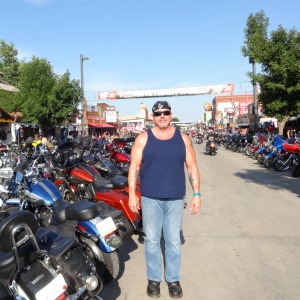
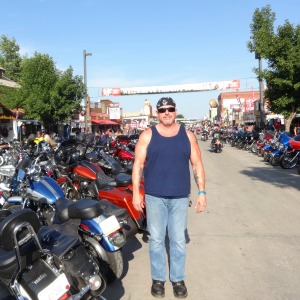
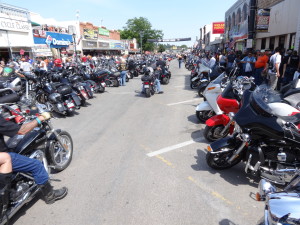
Hundreds of thousands of people still attend the rally. Main Street can still be packed with motorcycles. The Black Hills remain some of the most beautiful motorcycle riding in America.
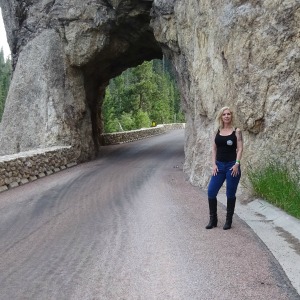
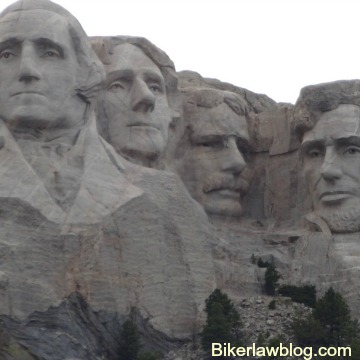
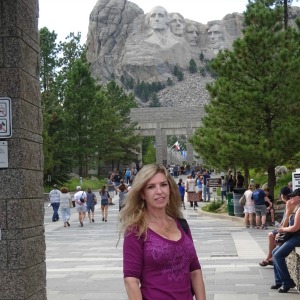
You have Needles Highway, Iron Mountain Road, Spearfish Canyon, Custer State Park, Mount Rushmore and miles upon miles of spectacular riding.
There is still nothing quite like riding into Sturgis and seeing motorcycles everywhere you look.
And despite everything I have written above, I would go back.
My point is simply that the Sturgis I experienced in 2012, 2013, 2014 and especially 2015 isn’t the same Sturgis I experienced in the later years.
Things change.
Generations change.
Motorcycle culture changes.
If You’ve Never Been to Sturgis, Go
This is really the reason I wanted to write this article.
If you ride motorcycles and have always said:
“Someday I’m going to Sturgis.”
Stop saying someday.
Go.
Go to the next rally if you can.
Ride Main Street.
Spend a night walking around downtown Sturgis.
Ride through the Black Hills.
Ride Needles Highway.
Ride Iron Mountain Road.
Stop at the legendary biker bars.
Spend some time at one of the big campgrounds and experience that part of motorcycle culture while it is still here.
You may love it.
You may decide once was enough.
But at least you will be able to say you were there.
Nothing Lasts Forever
I’ve been around motorcycles and motorcycle culture long enough to have seen rallies and events that people once thought would be around forever disappear.
They went the way of the dodo bird.
That’s why I don’t take Sturgis for granted.
Maybe Sturgis adapts. Maybe a younger generation embraces it and carries the tradition forward in its own way. I certainly hope so.
But nobody can guarantee that the Sturgis Motorcycle Rally of 10 or 20 years from now will resemble the rally we know today.
I was fortunate enough to experience Sturgis year after year from 2012 through 2023, missing only 2020. I saw some incredible years, met some incredible people, rode some incredible roads and accumulated memories that will stay with me for the rest of my life.
And I also watched the rally change.
That’s why my advice to every biker who has Sturgis on his or her bucket list is simple:
Don’t wait until “someday.”
Get on your motorcycle and go experience the Sturgis Motorcycle Rally while you still can.
Because one lesson I’ve learned after decades around motorcycles is that neither bikers nor motorcycle rallies last forever.
Norman Gregory Fernandez is a California personal injury attorney, motorcycle rider and founder of the Biker Law Blog. He has ridden motorcycles for decades and has traveled thousands of miles attending motorcycle rallies and riding throughout the United States.
Attribution & Sources
This article was written by Norman Gregory Fernandez, founder of the Biker Law Blog, based primarily on his firsthand experiences attending the Sturgis Motorcycle Rally annually from 2012 through 2023, with the exception of 2020. The observations and opinions regarding changes in the rally, campground activity, the motorcycle community, rider demographics, trikes, costs, and the future of traditional motorcycle rallies are the author’s personal observations developed over more than a decade of attending Sturgis.
Historical attendance and demographic information referenced in this article was supplemented by publicly available information from the City of Sturgis, South Dakota, the South Dakota Department of Transportation, and historical rally information published by Glencoe Camp Resort.
Additional background comes from the author’s earlier firsthand accounts of the rally published on the Biker Law Blog, including his 2013 Sturgis Motorcycle Rally Review and 2021 Sturgis Motorcycle Rally article.
Sources and Further Reading:
- City of Sturgis Motorcycle Rally Information & Statistics: Sturgis, South Dakota – Official Website
- South Dakota Department of Transportation: South Dakota DOT
- Glencoe Camp Resort – Sturgis: Glencoe Camp Resort
- Biker Law Blog – 2013 Sturgis Motorcycle Rally Review: Read the 2013 article
- Biker Law Blog – 2021 Sturgis Motorcycle Rally Article: Read the 2021 article
Copyright © 2026 Norman Gregory Fernandez. All Rights Reserved.
Originally published on BikerLawBlog.com. No portion of this article may be reproduced, republished, or distributed without permission, except for brief quotations with proper attribution and a link to the original article.