
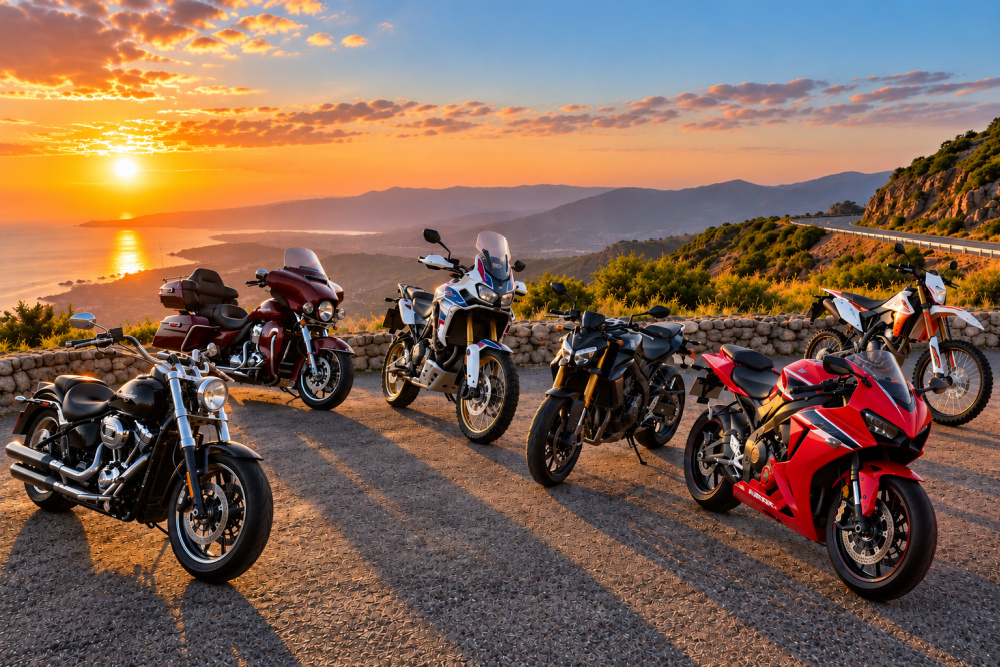
Walk into a motorcycle dealership today and the choices can be overwhelming. There are cruisers, touring motorcycles, baggers, sport bikes, naked bikes, adventure motorcycles, dual-sports, enduros, sport-touring bikes, standards and several variations that fall somewhere between the traditional categories.
They may all have two wheels and an engine, but the riding experience can be completely different.
I’ve been riding motorcycles for decades, and one thing I’ve learned is that there really isn’t one “best” type of motorcycle. There is, however, probably a best type of motorcycle for the way you ride.
For me, comfort is a major consideration. I like a motorcycle that lets me sit back, stretch out my legs and ride for hours. That’s one reason I’ve gravitated toward large touring motorcycles.
Sport bikes are almost the exact opposite. They’re incredible machines, but personally, I’ve never cared for the riding position. Being leaned forward with my feet underneath or behind me simply isn’t how I want to spend several hundred miles. Plenty of riders love them, but if I’m going on a long ride, I want to stretch out.
Here’s how the major types of street-legal motorcycles compare.
Cruisers
When most people picture an American motorcycle, they’re probably picturing a cruiser.
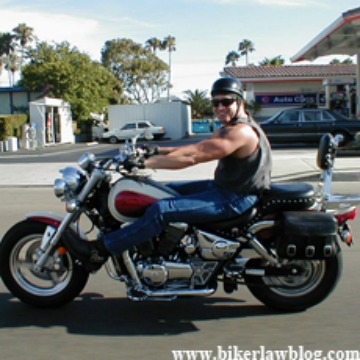
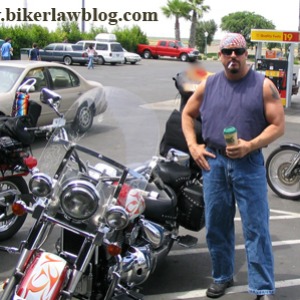
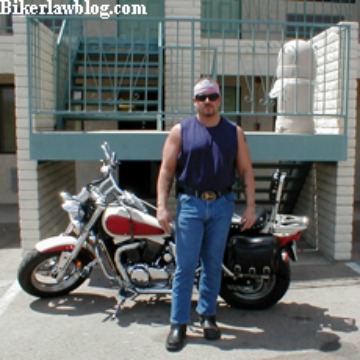
Cruisers typically have relatively low seats, substantial engines, wide handlebars and a relaxed riding position. Many have foot controls positioned farther forward than you’ll find on a standard or sport motorcycle, allowing the rider to stretch out.
Major manufacturers include Harley-Davidson, Indian Motorcycle, Honda, Kawasaki, Yamaha and BMW Motorrad.
Examples include the Harley-Davidson Street Bob and Fat Boy, Indian Scout and Chief, Honda Rebel, Kawasaki Vulcan and BMW R 18.
Typical new-bike price: roughly $5,000 to $25,000+, depending on displacement, manufacturer and equipment. As examples of just how broad the category is, Kawasaki currently starts its Eliminator at $6,499, while Indian’s 2026 cruisers extend from the Scout family into Chiefs costing $20,000 or more.
What makes a cruiser different?
The emphasis is generally on torque, comfort, style and relaxed riding rather than maximum cornering clearance or outright horsepower.
Cruisers are particularly attractive to riders who like sitting in the motorcycle rather than perched on top of it.
That’s much closer to my preferred riding position.
Touring Motorcycles
If cruisers are designed for relaxed riding, touring motorcycles take that idea several steps further.
These are the bikes designed for serious mileage.
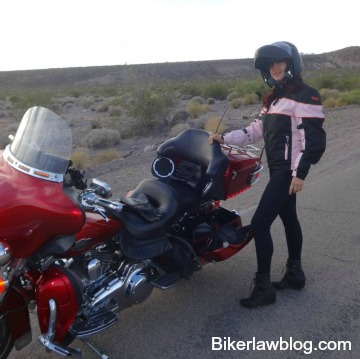
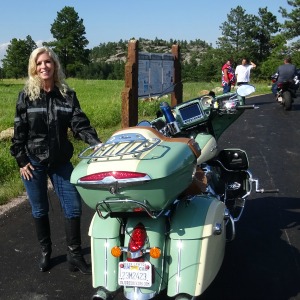
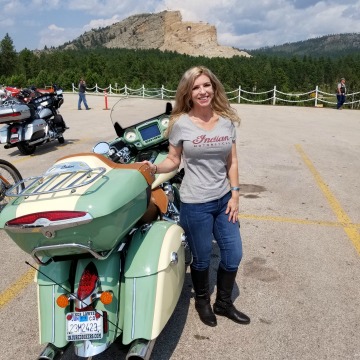
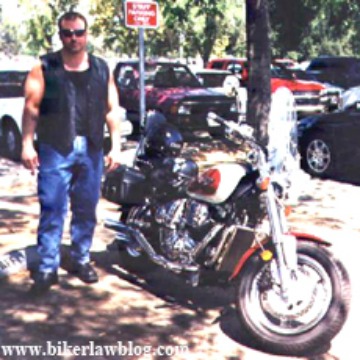
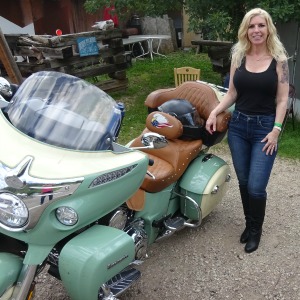
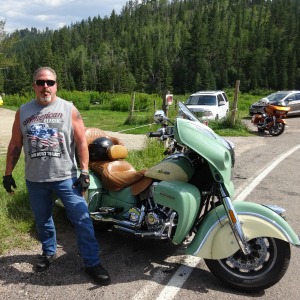
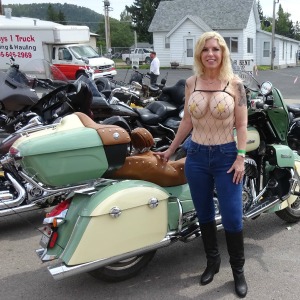
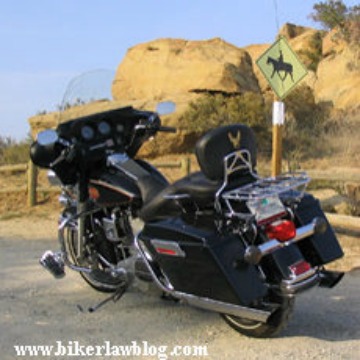
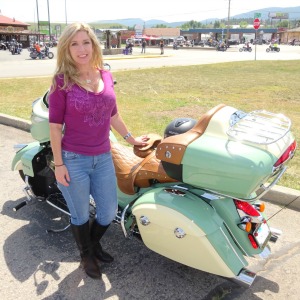
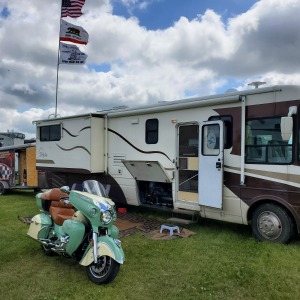
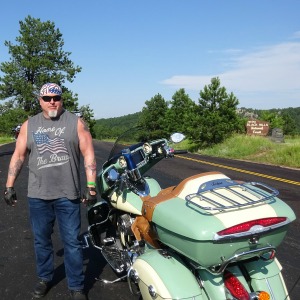
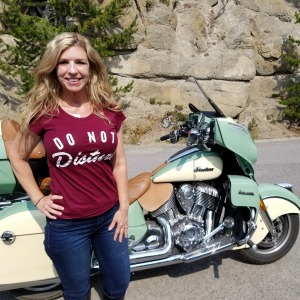
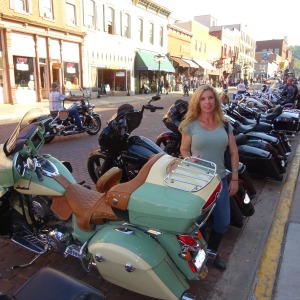
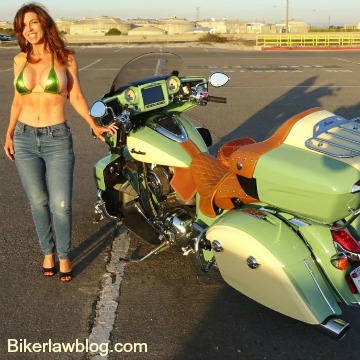
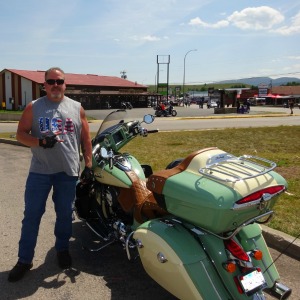
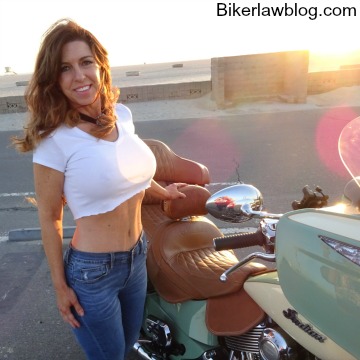
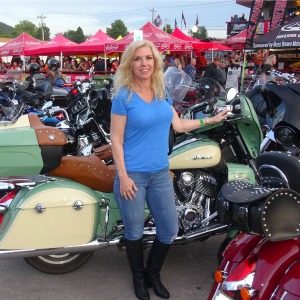
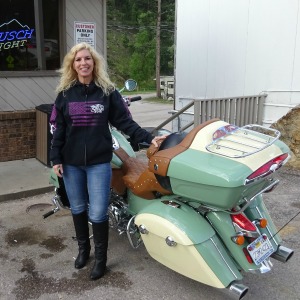
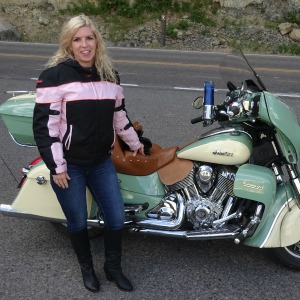
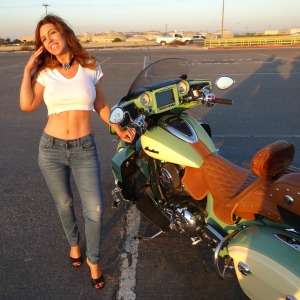
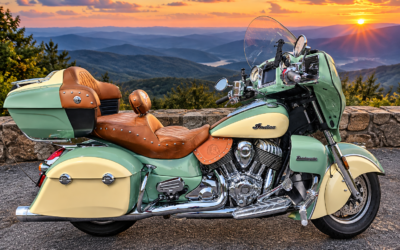
Think Indian Roadmaster, Indian Pursuit, Harley-Davidson Street Glide and Road Glide, Honda Gold Wing and BMW’s large touring motorcycles.
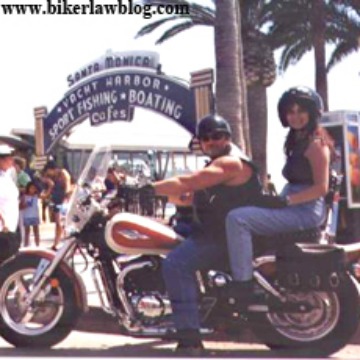
Touring bikes commonly provide substantial wind protection, saddlebags, large fuel tanks, comfortable seats and passenger accommodations. Depending on the model, you may also find heated grips and seats, electronically adjustable suspension, navigation, sophisticated infotainment systems, cruise control and large trunks.
Indian describes its touring motorcycles as being designed specifically for long-distance comfort, with features including locking storage and accommodations for both rider and passenger.
Typical new-bike price: approximately $20,000 to $55,000+.
For perspective, the 2026 Indian Roadmaster starts at $34,999, while Harley’s 2026 Grand American Touring lineup begins around $24,999 and extends beyond $50,000 for certain CVO models. Honda’s 2026 Gold Wing Tour starts at $29,500.
The tradeoff
Touring motorcycles are comfortable, stable and excellent for eating up interstate miles, but they’re also big.
A fully equipped touring motorcycle can weigh hundreds of pounds more than a sport bike or dual-sport. You notice that weight most while maneuvering through parking lots, backing up, making tight turns or moving the motorcycle around the garage.
Once underway, however, a good touring motorcycle can be remarkably easy to ride.
For riders like me who enjoy long trips and like being able to stretch out, this category is hard to beat.
Baggers
Baggers deserve their own category even though technically many are touring motorcycles or cruisers.
The name comes from the saddlebags.
Think Harley-Davidson Street Glide and Road Glide or Indian Chieftain-type motorcycles. Kawasaki’s Vulcan 1700 Vaquero is another example.
A bagger generally combines the low, relaxed feel of a cruiser with hard saddlebags and a fairing, but without necessarily having the huge rear trunk and full complement of passenger amenities found on a full-dress touring motorcycle.
Typical price: approximately $18,000 to $40,000+.
They’re an excellent compromise for someone who wants touring capability but doesn’t necessarily want the size and equipment of a full-dress touring bike.
Sport Bikes
Now we get to a category I can appreciate from an engineering standpoint even though it isn’t for me.
Sport bikes are designed around performance.
Manufacturers include Honda, Yamaha, Kawasaki, Suzuki, Ducati, BMW Motorrad and Aprilia.
The Kawasaki Ninja, Suzuki GSX-R, Yamaha YZF-R series, Honda CBR, Ducati Panigale and BMW S 1000 RR are familiar examples.
Typical price: roughly $6,000 for smaller entry-level machines to $30,000+ for exotic or high-performance superbikes. Current market guides put the broad mainstream sport-bike range at approximately $6,000 to $20,000+, before getting into some of the premium machines.
What makes a sport bike different?
Almost everything is aimed at performance:
The rider leans forward. The foot pegs are relatively high and rearward. The bike has substantial cornering clearance. Engines tend to make considerably more horsepower per cubic centimeter than traditional cruisers. Aerodynamics matter. Weight matters. Braking and suspension performance matter.
For aggressive riding on a twisty road or a racetrack, it makes perfect sense.
For me, it doesn’t.
I simply don’t enjoy being hunched forward with my legs underneath or behind me. I like being able to stretch my legs out, particularly when I’m riding for hours.
That’s personal preference rather than a criticism of sport bikes. Some riders can spend all day on one and love every minute of it. I’m just not one of them.
Naked Bikes and Standards
Take much of the performance of a sport bike, remove a lot of the bodywork and give the rider a more upright seating position, and you begin to describe a naked bike.
Examples include Yamaha’s MT series, Kawasaki’s Z motorcycles, Honda’s CB lineup, Triumph’s Street Triple and Speed Triple, Ducati’s Monster and BMW’s roadsters.
Typical price: approximately $5,000 to $20,000+.
Standards and naked motorcycles are among the most versatile street motorcycles available.
Your feet generally aren’t stretched way forward as on a cruiser, but you also aren’t folded into the aggressive position of a supersport motorcycle.
For commuting, back roads and general everyday riding, the traditional standard motorcycle remains difficult to beat.
Sport-Touring Motorcycles
Sport touring tries to answer an interesting question:
Can you combine sport-bike handling with touring-bike comfort?
Manufacturers have been trying to perfect that formula for years.
These motorcycles generally have a more upright seating position than pure sport bikes, larger windscreens, bigger fuel tanks and luggage capability while retaining considerably more cornering ability than a traditional heavyweight touring motorcycle.
Manufacturers in this segment include BMW, Yamaha, Kawasaki, Honda, Suzuki, Ducati and others.
Typical price: approximately $12,000 to $30,000+.
For riders who want to cover 500 miles getting somewhere and then attack a mountain road when they arrive, sport touring can make a lot of sense.
Adventure Motorcycles
Adventure bikes — usually called ADVs — have exploded in popularity.
Think BMW GS, Honda Africa Twin, KTM Adventure, Ducati Multistrada, Triumph Tiger and Harley-Davidson Pan America.
Unlike a traditional touring motorcycle, an adventure bike is generally taller, has considerably more suspension travel and places the rider in an upright position. Many have some genuine off-pavement capability.
Typical price: approximately $7,000 to $30,000+.
Harley-Davidson’s 2026 Pan America line, for example, starts at $19,999, while Honda’s 2026 Africa Twin Adventure Sports ES lists at $17,799.
Adventure bike versus touring bike
This distinction is important.
A traditional touring motorcycle is primarily designed to make paved miles comfortable.
An adventure motorcycle is designed to keep going when the pavement ends.
ADVs tend to have taller seats, greater ground clearance, longer-travel suspension and a more upright riding position. Touring motorcycles generally offer lower seats, greater wind protection, more integrated luggage and a more relaxed highway-oriented riding experience.
Dual-Sport Motorcycles
A dual-sport is essentially the bridge between a dirt bike and a street motorcycle.
Examples include the Kawasaki KLR650 and KLX series, Honda CRF dual-sports, Suzuki DR-Z and DR models, and similar machines from KTM and other manufacturers.
Typical price: approximately $5,000 to $12,000.
Kawasaki’s current lineup illustrates the affordability of the category: the KLR650 starts around $6,999, while several street-legal KLX dual-sports fall in roughly the $5,500-$6,000 range.
Dual-sports typically have relatively light weight, narrow bodies, long suspension travel, high ground clearance and tires capable of dealing with both pavement and dirt.
They’re much more dirt-oriented than most adventure motorcycles.
Enduro Motorcycles
The term enduro gets used rather loosely.
Traditionally, an enduro is an off-road motorcycle designed for endurance competition and trail riding. Some enduro motorcycles aren’t street legal at all.
But manufacturers also produce street-legal machines derived from enduro designs, and riders commonly use “enduro” when referring to lightweight motorcycles capable of transitioning between trails and public roads.
KTM is probably one of the manufacturers most closely associated with modern enduro motorcycles, along with Husqvarna, Beta, Sherco, GasGas and others. Honda, Kawasaki, Suzuki and Yamaha also produce trail and dual-purpose motorcycles occupying nearby territory.
Typical price: approximately $6,000 to $13,000+, with serious competition-oriented European machines generally toward the upper end.
Enduro versus dual-sport versus adventure bike
These categories can get confusing.
An enduro is fundamentally an off-road machine.
A dual-sport is essentially a dirt-oriented motorcycle made practical and legal for street use.
An adventure motorcycle is generally a larger street motorcycle engineered to handle unpaved roads and some off-road riding.
Think of it as a sliding scale:
Enduro → Dual-Sport → Adventure → Touring
As you move from left to right, you generally gain highway comfort, carrying capacity and weight while giving up some serious off-road capability.
Supermoto Motorcycles
Here’s another interesting variation.
Take a lightweight dirt or dual-sport-style motorcycle and equip it with street-oriented wheels, tires and brakes and you essentially have the formula for a supermoto.
KTM, Husqvarna, Suzuki and Kawasaki are among the manufacturers associated with this category.
Kawasaki, for example, currently offers KLX230SM and KLX300SM models, starting around $5,799 and $6,049 respectively.
Typical price: roughly $6,000 to $13,000.
They’re light, maneuverable and can be tremendous fun on tight, winding roads.
What they generally aren’t is my idea of a 700-mile interstate motorcycle.
Modern Classics and Retro Motorcycles
There’s also been a major resurgence in motorcycles that look like machines from decades ago but contain modern fuel injection, brakes, electronics and reliability.
Triumph’s Bonneville family is perhaps the obvious example. You’ll also find motorcycles such as the Kawasaki W series, BMW R 12 nineT, Royal Enfield Interceptor and Continental GT and numerous retro-styled models from other manufacturers.
Typical price: approximately $5,000 to $20,000+.
Kawasaki alone currently offers retro W-series motorcycles ranging from the inexpensive W175 to the substantially larger W800.
For someone who wants traditional motorcycle styling without actually maintaining a 40-year-old motorcycle, this category has a lot of appeal.
So Which Motorcycle Is Best?
That depends entirely on what you’re going to do with it.
If you primarily ride around town, a lightweight standard or naked bike might make far more sense than an 800-pound touring motorcycle.
If you’re exploring dirt roads and trails, look at dual-sports and adventure bikes.
If cornering performance and acceleration are your priorities, sport bikes are difficult to beat.
If you’re interested in a traditional American motorcycle experience and a relaxed seating position, look at cruisers.
And if you’re planning to disappear for a week with several states between you and home, a touring motorcycle starts making a lot of sense.
Personally, I know where I fall.
Give me the big touring motorcycle.
I want a comfortable seat, windshield, floorboards, luggage, cruise control and enough room to change my position and stretch out my legs. When I’m several hundred miles into a ride, I’m much more interested in being comfortable than shaving a few tenths of a second off a lap time.
That doesn’t make one type of motorcycle better than another.
It simply illustrates one of the great things about motorcycling: there is a motorcycle for almost every kind of rider.
A 25-year-old carving through the mountains on a sport bike, someone exploring a fire road on an enduro, a commuter riding a 500cc standard to work and a touring rider crossing three states on a Roadmaster are all participating in the same sport — they’re simply enjoying it in very different ways.
And whichever motorcycle you choose, ride within your abilities, wear appropriate protective equipment and remember that the best motorcycle isn’t necessarily the fastest, biggest or most expensive one.
It’s the motorcycle that makes you want to keep riding.
About the Author
Norman Gregory Fernandez, Esq. is a California personal injury attorney, longtime motorcycle rider, and founder of Biker Law Blog. He has been riding motorcycles for decades and combines his experience as both a rider and personal injury attorney to write about motorcycles, motorcycle safety, riding experiences, and legal issues affecting motorcyclists.
© 2026 Norman Gregory Fernandez, Esq. | Biker Law Blog. All Rights Reserved.