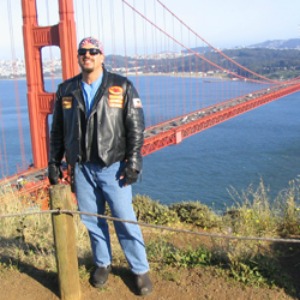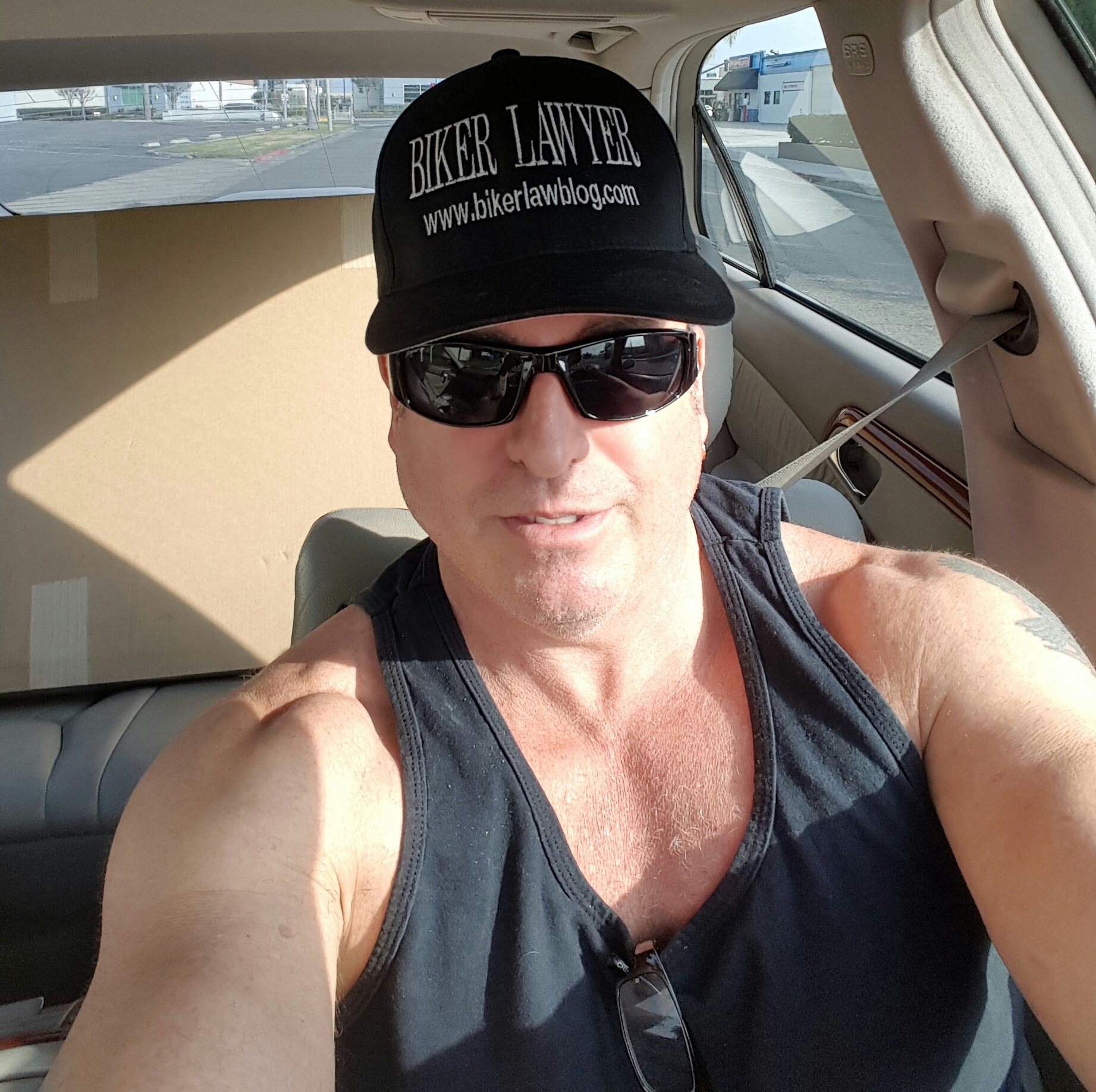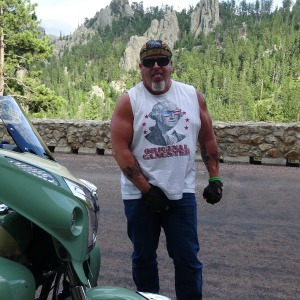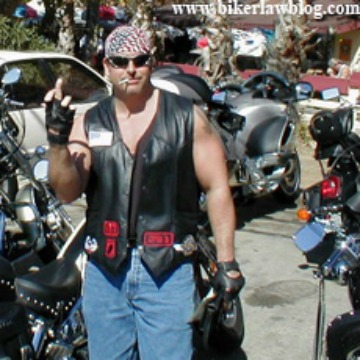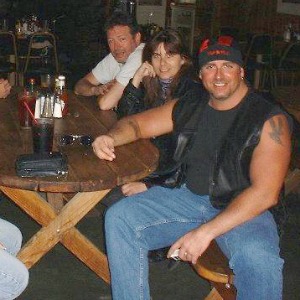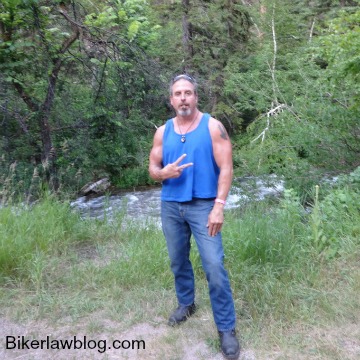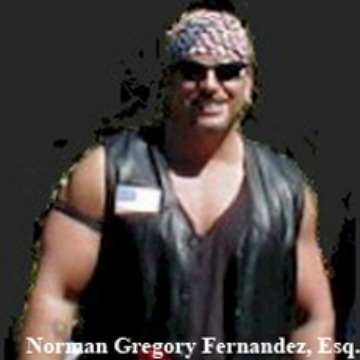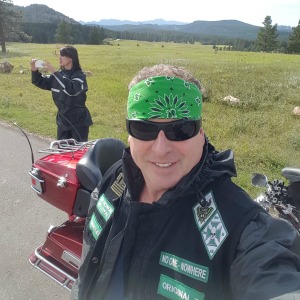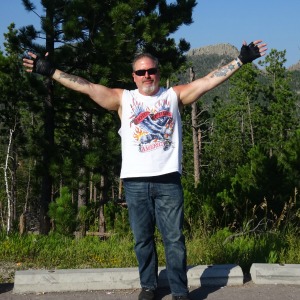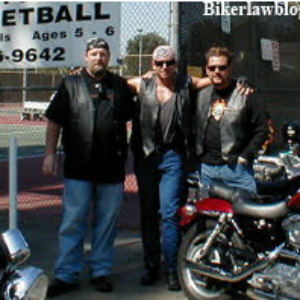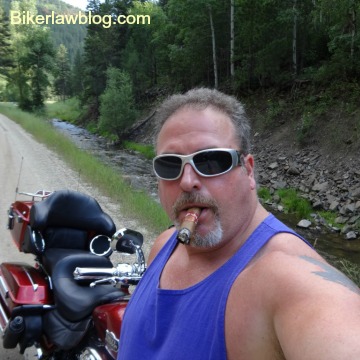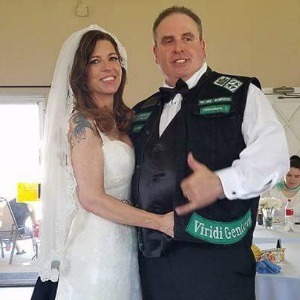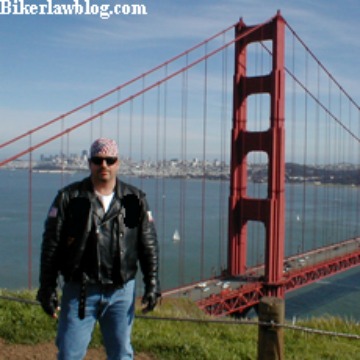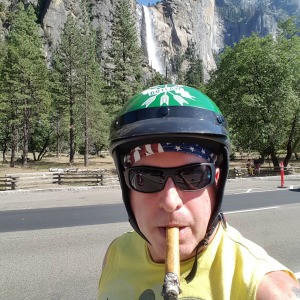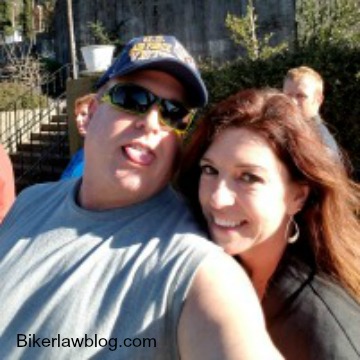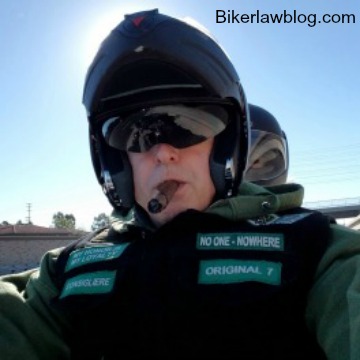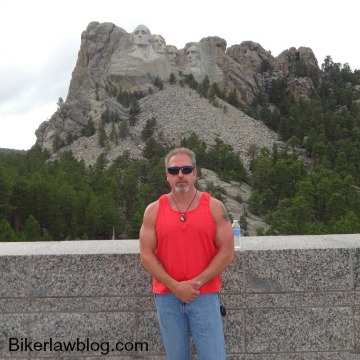

By Norman Gregory Fernandez, California Motorcycle Accident Attorney and Lifelong Rider
For nearly 30 years I have represented injured motorcyclists throughout California. During that time I have noticed one thing over and over again: many personal injury attorneys treat motorcycle accident cases exactly the same as automobile accident cases.
That is a mistake.
A motorcycle crash is fundamentally different. The physics are different. The injuries are different. The evidence is different. Even the way insurance adjusters and juries view motorcyclists is different.
Most importantly, if your attorney has never spent thousands of miles on a motorcycle, there are countless details that may never even occur to them.
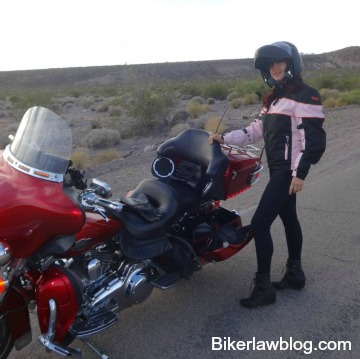
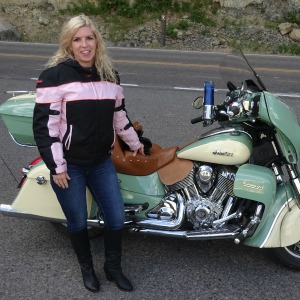
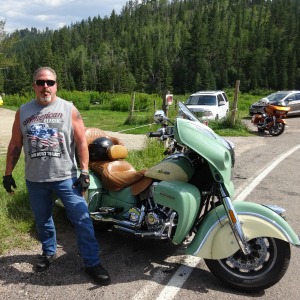
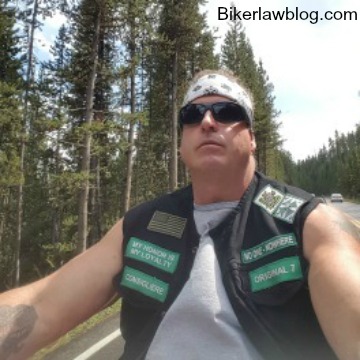
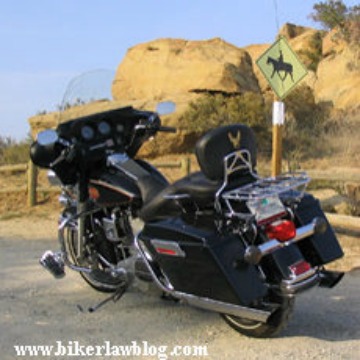
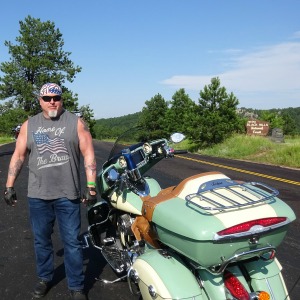
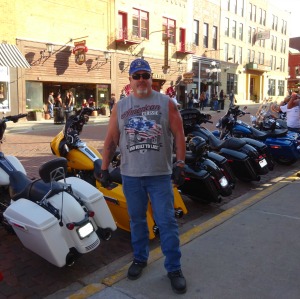
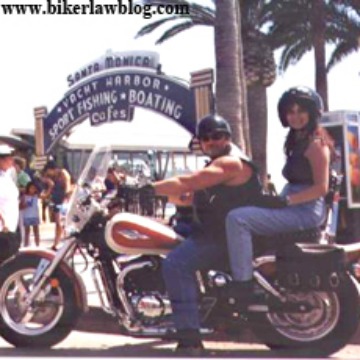
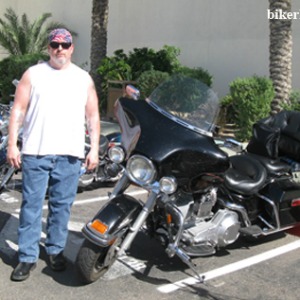
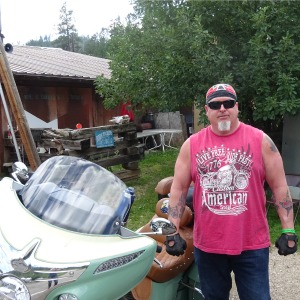
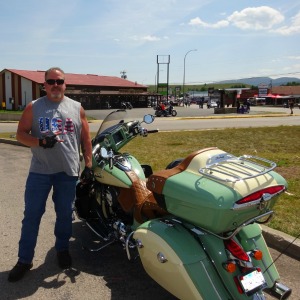
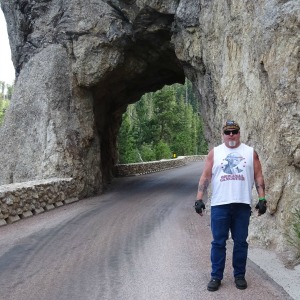
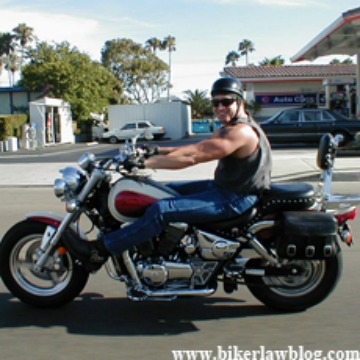
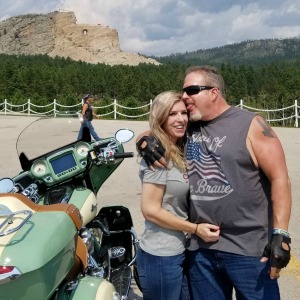
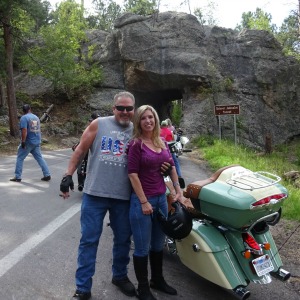
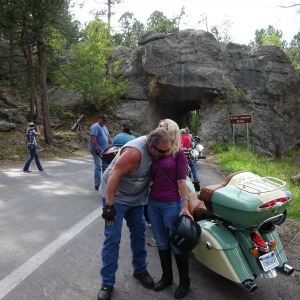
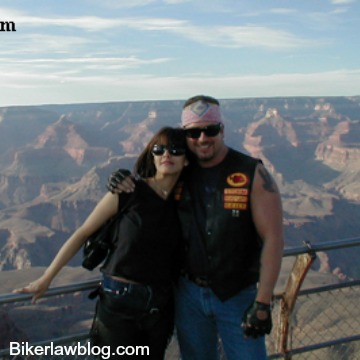
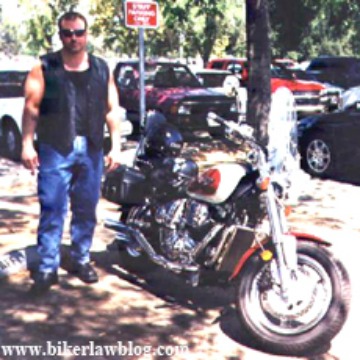
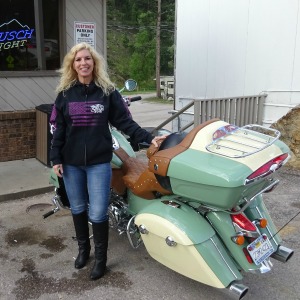
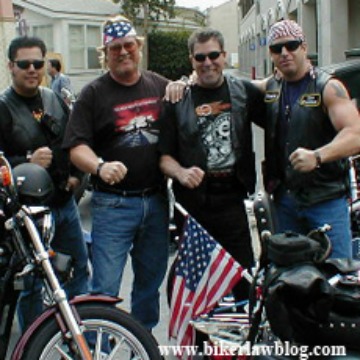
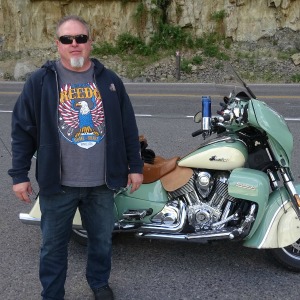
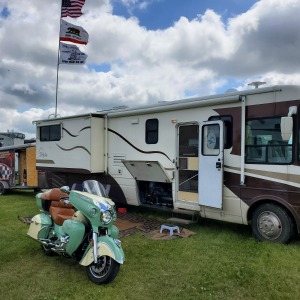
As someone who regularly tours the country on my Indian Roadmaster, rides mountain roads like the Great Smoky Mountains and Tail of the Dragon, and has spent years studying motorcycle dynamics, I approach these cases from a completely different perspective.
Here is what that means for my clients.
I Understand What Actually Happens Before the Crash
Most attorneys look at the impact.
I start several seconds before the impact.
Motorcycle crashes are often caused by a chain of events that begins well before the collision itself.
Questions I ask include:
- Was the rider setting up properly for the curve?
- Was the motorcycle already committed to a lean angle?
- Was the rider trail braking?
- Was the rider forced to stand the motorcycle up?
- Did gravel, diesel fuel, coolant, sand, or pavement defects eliminate available traction?
- Was the rider using the safest lane position?
- Did the driver violate the rider’s escape route?
These questions rarely appear in standard automobile investigations.
I Know How Motorcycles Actually Handle
Every experienced rider knows that motorcycles behave differently depending on:
- Speed
- Lean angle
- Tire condition
- Suspension setup
- Road camber
- Surface contamination
- Weight distribution
- Rider inputs
A lawyer who has never ridden may not appreciate why a rider could not simply “swerve” or “stop.”
Experienced riders understand that sometimes there simply is no available traction left.
Sometimes braking harder guarantees a crash.
Sometimes standing the bike upright creates a larger impact.
Sometimes the safest decision is one that looks wrong to someone who has never ridden.
Countersteering Isn’t Common Knowledge
Ask the average juror how motorcycles turn.
Many will answer:
“You turn the handlebars.”
That answer is wrong.
Every experienced rider knows that at road speeds motorcycles turn by countersteering.
A lawyer who understands motorcycle dynamics can explain why certain evasive maneuvers were—or were not—possible in a fraction of a second.
That education can dramatically affect liability.
I Understand Rider Decision Making
Insurance companies often criticize riders by asking:
- Why didn’t you brake?
- Why didn’t you go around?
- Why didn’t you avoid the car?
Those questions sound reasonable.
Until you understand motorcycle dynamics.
Experienced riders constantly balance:
- Maximum braking
- Available traction
- Lean angle
- Surface hazards
- Escape routes
- Target fixation
- Reaction time
Those decisions occur in fractions of a second.
A rider’s actions should be judged based on what a reasonably careful motorcyclist would do—not what someone driving a sedan believes they should have done.
I Know the Bias Riders Face
Motorcyclists often begin a case behind before any evidence is even presented.
People assume:
- The rider was speeding.
- The motorcycle was loud.
- The rider was reckless.
- The rider was weaving.
- “Motorcycles are dangerous.”
Those assumptions are not evidence.
One of my jobs is removing those biases before they infect settlement negotiations or jury deliberations.
I Investigate the Motorcycle Itself
Motorcycles tell a story.
Damage patterns frequently reveal:
- Direction of impact
- Lean angle
- Initial contact point
- Whether braking occurred
- Whether the bike low-sided or high-sided
- Whether the rider separated before or after impact
Many attorneys photograph the motorcycle.
I study it.
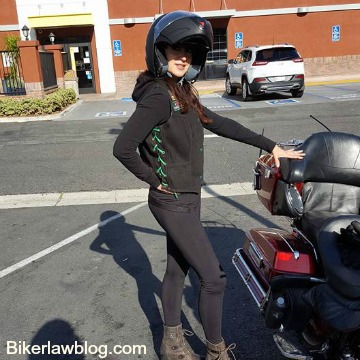
Riding Gear Matters
Experienced motorcycle attorneys understand the significance of:
- Helmet certifications
- Jacket armor
- Airbag vests
- Gloves
- Riding boots
- Abrasion resistance
- CE protection ratings
This evidence often demonstrates that the rider acted responsibly rather than recklessly.
It also helps explain why certain injuries occurred despite excellent protective equipment.
Road Hazards Are Different for Motorcycles
What barely affects a passenger car can be catastrophic for a motorcycle.
Examples include:
- Gravel
- Diesel spills
- Tar snakes
- Uneven pavement
- Utility cuts
- Steel plates
- Potholes
- Raised pavement markers
- Wet leaves
- Painted crosswalks
- Expansion joints
A rider immediately recognizes these hazards.
Someone who has never ridden may overlook them entirely.
I Speak the Language of Riders
When clients describe what happened, I understand phrases like:
- “The front washed out.”
- “I tucked the front.”
- “The rear stepped out.”
- “The bike stood up.”
- “I lost the rear under braking.”
- “The bars started shaking.”
- “I was trail braking.”
- “I was committed to the corner.”
Those descriptions immediately communicate what occurred.
They often reveal facts that would otherwise be lost during an interview.
I Know Long-Distance Riding
After putting thousands of touring miles on my own motorcycle, I understand issues that can affect riders over the course of a day:
- Rider fatigue
- Heat exhaustion
- Dehydration
- Wind buffeting
- Crosswinds
- Visibility changes
- Mountain weather
- Wildlife hazards
These factors sometimes become important evidence.
I Know That Every Crash Is Unique
No two motorcycle crashes are identical.
The investigation may involve:
- Event data recorders from other vehicles
- Helmet damage
- GoPro footage
- GPS data
- Dash cameras
- Cell phone records
- Roadway design
- Traffic engineering
- Motorcycle maintenance records
- Tire inspections
- Visibility studies
- Human factors experts
- Accident reconstruction
Knowing what evidence matters—and why—is often the difference between winning and losing.
Motorcycle Cases Require More Than Personal Injury Experience
Being a good personal injury attorney is important.
Understanding motorcycles is equally important.
When your attorney understands how riders think, how motorcycles respond, and how crashes actually occur, they are better equipped to explain your case to insurance companies, defense attorneys, judges, and juries.
That perspective cannot be learned solely from reading police reports.
It comes from years of riding, studying motorcycle dynamics, and representing injured motorcyclists.
Injured While Riding? Work With Someone Who Understands Both the Law and the Ride
If you’ve been injured in a motorcycle accident, don’t assume every personal injury attorney approaches your case the same way.
Choose someone who understands not only California personal injury law, but also the unique dynamics of motorcycles, rider decision-making, crash reconstruction, and the challenges riders face every time they get on the road.
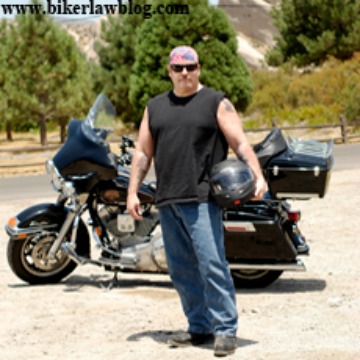
At the Law Office of Norman G. Fernandez, I don’t just represent riders—I am one.
That experience allows me to tell your story accurately, challenge unfair assumptions, and pursue the compensation you deserve.
Because sometimes the difference between winning and losing a motorcycle case is understanding what happened in those critical few seconds before the crash.
About the Author
Norman Gregory Fernandez, Esq. is a California personal injury attorney with nearly 30 years of experience representing injured motorcyclists throughout the State of California. In addition to his legal experience, he is an avid long-distance motorcyclist who has logged thousands of miles touring the United States on his Indian Roadmaster. His firsthand riding experience gives him a unique understanding of motorcycle dynamics, crash causation, rider decision-making, roadway hazards, and the biases riders often face after an accident. He combines decades of courtroom and settlement experience with real-world riding knowledge to advocate for injured motorcyclists.
If you have been injured in a motorcycle accident anywhere in California, contact the Law Offices of Norman Gregory Fernandez for a free consultation.
Websites
- 🏍️ Biker Law Blog: www.BikerLawBlog.com
- ⚖️ California Motorcycle & Personal Injury Law Firm: www.ThePersonalInjury.com
- 🏛️ Law Office Website: www.Norman-Law.com
Contact Information
Law Offices of Norman Gregory Fernandez & Associates
📞 24-Hour Free Consultation: (800) 816-1529
📧 Email: law@norman-law.com
📍 Meeting locations throughout California. Virtual consultations are available statewide.
Disclaimer: This article is provided for informational and educational purposes only and should not be construed as legal advice. Every motorcycle accident case is different. Reading this article does not create an attorney-client relationship. If you have been injured in a motorcycle accident, consult with a qualified attorney regarding the specific facts of your case.