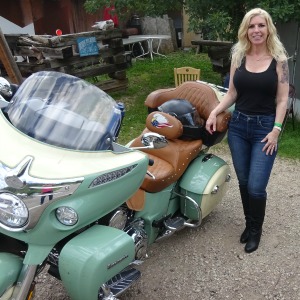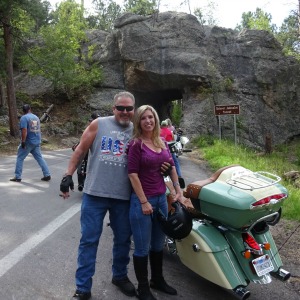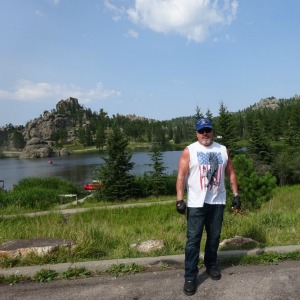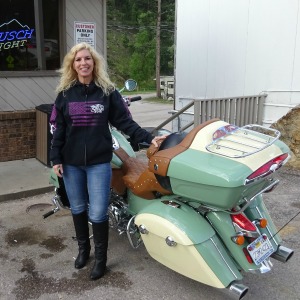

My Rekluse Auto Clutch Review on My Indian Roadmaster: How Did I Ride Without This?
For quite some time, I’ve been saying that Indian Motorcycle and Harley-Davidson should offer an automatic transmission option on their heavyweight touring motorcycles.
I’ve been riding motorcycles for approximately 50 years, and I still enjoy shifting gears. I’m not looking for technology to take the motorcycle out of motorcycling. What I would like is technology that eliminates some of the unnecessary physical work—particularly when you’re sitting in traffic, crawling through a motorcycle rally, starting on a steep hill, or maneuvering an 800-plus-pound touring motorcycle at walking speed.
I’ve written before about why I believe an automatic or automated transmission would make tremendous sense for both older riders who want to stay on two wheels longer and younger riders who grew up in a world where manual transmissions are increasingly uncommon.
Indian and Harley haven’t given us that option yet.
But I recently discovered something that gets us part of the way there:
The Rekluse Auto Clutch.
After having one installed on my Indian Roadmaster and spending my first half-day riding with it, my initial reaction can be summed up in one word:
WOW.
My second reaction was:
How did I get along without this thing for all these years?
What Exactly Is a Rekluse Auto Clutch?
Let’s clear up the biggest misconception first.
The Rekluse is NOT an automatic transmission.
Your motorcycle retains its regular manual transmission. You still select first, second, third, fourth, fifth and sixth gear with your foot just as you always have.
What changes is the clutch.
The Rekluse automatically engages and disengages the clutch based primarily upon engine RPM.
When the engine is at idle or below its engagement range, the clutch automatically disengages. As you increase RPM, the clutch progressively engages and transfers power to the rear wheel.
In practical terms, that means you can be sitting at a traffic light in first gear with your left hand completely off the clutch lever.
The motorcycle doesn’t stall.
When the light turns green, you simply roll on the throttle.
The clutch engages automatically and away you go.
You can even take off in second gear.
You still have a fully functional clutch lever. You can use it whenever you want. But there are many situations where you simply don’t need to touch it anymore.
So while this isn’t the fully automatic Indian Roadmaster I’ve been wishing somebody would build, it eliminates one of the biggest inconveniences of a traditional manual transmission: constantly operating and feathering the clutch.
For the kind of riding I do, that’s a very big deal.
After 50 Years, My Left Hand Didn’t Get the Memo
There was actually something funny about my first ride.
I’ve been operating motorcycle clutches for roughly 50 years.
Apparently, that’s enough time to permanently program your brain.
The first few times I stopped, I automatically reached for the clutch lever.
I didn’t think about it.
My left hand simply did what it has been doing for half a century.
Coming to a stop?
Clutch in.
Taking off?
Clutch out.
Downshifting?
Grab the clutch.
It was pure muscle memory.
I actually had to concentrate on NOT using the clutch lever so I could learn how the Rekluse was supposed to work.
Once I deliberately forced myself to leave my left hand alone, that’s when I really began understanding what this system could do.
And that’s also when the fun started.
Sitting in First Gear Without Holding the Clutch Is Weird
There’s no better word for it.
Weird.
After decades of riding conventional motorcycles, sitting completely stopped in first gear with your hand nowhere near the clutch lever feels wrong.
Your brain is screaming:
“The bike is going to stall.”
But it doesn’t.
The engine just sits there idling.
Then the light changes.
Roll on the throttle.
The Rekluse smoothly engages.
And you’re moving.
The first few times I did it, I couldn’t help smiling.
You can even start from second gear.
Once you get past decades of muscle memory telling you that what you’re doing is impossible, it starts feeling remarkably natural.
Ordering Directly From Rekluse
I ordered my auto clutch directly from Rekluse, and the experience was excellent from beginning to end.
Before ordering, I had quite a few questions. Their staff took the time to answer everything, seemed extremely knowledgeable about the product, and never made me feel rushed or pressured.
They also gave me a very generous veterans discount, which I greatly appreciated as a U.S. Air Force veteran, and provided FedEx 2-Day shipping at no additional charge.
The clutch arrived extremely quickly.
Customer service like that deserves recognition.
Installation at Frontline Eurosports in Salem, Virginia
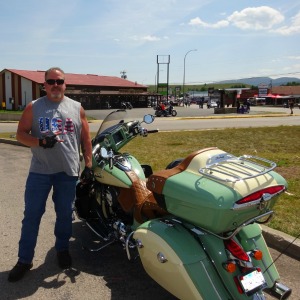
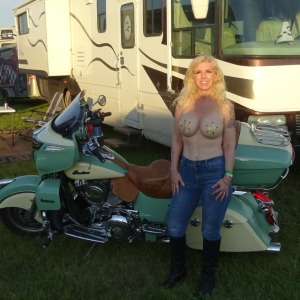
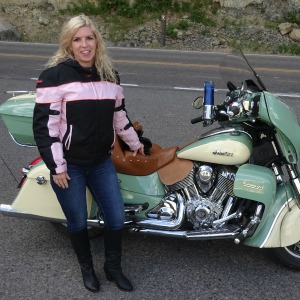
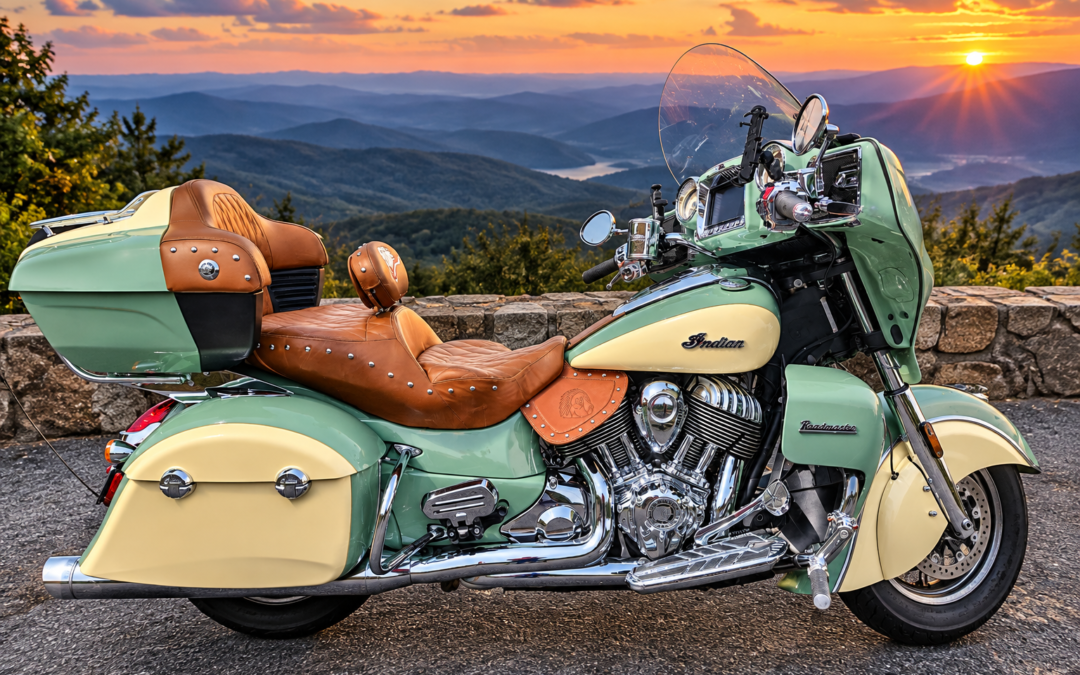
I had Frontline Eurosports in Salem, Virginia, install the Rekluse on my Indian Roadmaster.
They told me this was their first Rekluse installation on an Indian, although they had installed Rekluse clutches on other makes of motorcycles.
That didn’t seem to present any problem whatsoever.
The Rekluse installation was less than a half-day job.
While the Roadmaster was there, I also had Frontline replace my windshield and install new Captain Itch heat shields, so we knocked out several projects at once.
Then it was time to find out whether this thing actually worked.
A Word About Frontline Eurosports in Salem, Virginia
I also want to give some well-deserved recognition to Frontline Eurosports in Salem, Virginia, where I had the Rekluse installed. Frontline is a multi-brand motorcycle dealership with an excellent service department and experienced mechanics. This is the second time I’ve used them, and both experiences have been great. They get you scheduled, get the work done, and get you back on the road without unnecessary delays. They even offer motorcycle pickup and delivery if you don’t want to bring the bike in yourself. Although this was their first Rekluse installation on an Indian, they had experience installing Rekluse systems on other motorcycle brands and completed the installation on my Roadmaster in less than half a day. When I picked up the bike, the mechanic who performed the work personally came out and walked me through the setup, explained how the Rekluse operated, and made sure I understood everything before I rode away. That’s the kind of service I appreciate. Based on my experiences with them, I highly recommend Frontline Eurosports in Salem, VA, whether you need motorcycle service or are looking to purchase one of the motorcycle brands they sell.
The Rekluse Fixed My Biggest Stage 2 Slow-Speed Complaint
This deserves its own section because, for me, it may be one of the biggest benefits of the entire upgrade.
I had a Stage 2 upgrade installed on my Indian Roadmaster within the first few months of owning it.
I’ve loved the performance ever since.
But almost immediately after the Stage 2 installation, I noticed something I didn’t particularly like.
I could no longer ride smoothly at very slow speeds in first gear without feathering the clutch.
If I tried to simply leave the clutch completely engaged and crawl along in first gear, the Roadmaster would jerk and surge. The Stage 2 setup wants some RPM, and at walking speeds it simply wasn’t smooth.
So for years, my solution has been to constantly work the friction zone.
A little throttle.
A little clutch.
Slip the clutch.
Let it out.
Pull it back in.
That’s fine when you’re making a quick slow-speed maneuver.
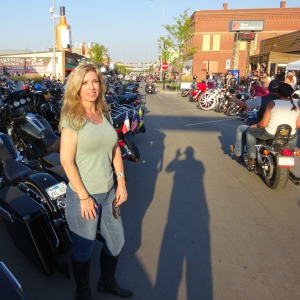
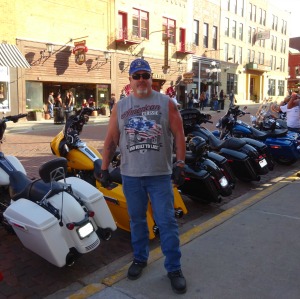
It becomes considerably less enjoyable when you’re crawling through traffic for 30 minutes or riding through downtown Sturgis surrounded by thousands of motorcycles.
The Rekluse has changed that.
I can now ride slowly in first gear without constantly feathering the clutch lever myself.
The Rekluse automatically manages clutch engagement at those low RPMs.
That means the exact problem I’ve lived with ever since installing the Stage 2—the inability to smoothly crawl along in first gear without manually feathering the clutch—is essentially gone.
That alone is huge for me.
I get to keep the Stage 2 power and performance I love when I open the throttle, but I no longer have to pay for it with constant clutch work whenever I’m crawling along at walking speed.
For my particular Roadmaster, this may be the single biggest improvement the Rekluse provides.
Naturally, I Tested It on an Extreme Mountain Road
Rekluse recommends reading the owner’s manual before riding.
That’s probably good advice.
Naturally, I did things differently.
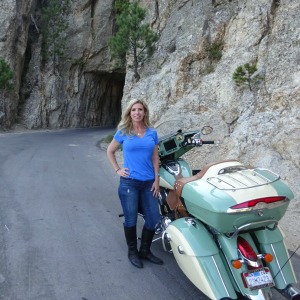
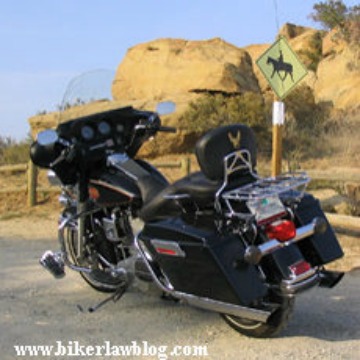
For my first real experience with the Rekluse, I took my Roadmaster onto an extremely twisty mountain road and basically learned the system as I went.
I’m not recommending that approach. Read the manual.
But it was certainly an effective way of discovering what the clutch would and wouldn’t do.
Later, when I actually read the manual, it confirmed much of what I had figured out while riding.
Understanding the Approximately 1,800 RPM Engagement Point
On my setup, approximately 1,800 RPM is the important number.
At roughly 1,800 RPM and below, the Rekluse behaves somewhat like you’re holding the clutch lever in.
Increase the RPM and the clutch engages.
Once I’m above the engagement range and riding normally, I use the clutch for my normal upshifts and downshifts when appropriate.
That’s absolutely no problem for me.
I’m not trying to eliminate shifting.
I enjoy shifting a motorcycle.
What I wanted to eliminate was unnecessary clutch work when stopped or crawling along at extremely low speeds.
And that’s exactly what the Rekluse appears to accomplish.
Coming to a Stop Without the Clutch Takes Some Getting Used To
This was another strange sensation.
I’m approaching a red light.
I start downshifting.
My 50 years of riding experience tells my left hand:
Grab the clutch.
But with the Rekluse, as the RPM falls into its disengagement range, I don’t have to pull in and hold the clutch to keep the motorcycle from stalling.
Eventually I’m sitting completely stopped in first gear.
No clutch.
No stall.
No holding the lever.
Then the light changes.
Roll on the throttle and go.
It takes some mental retraining, but I’m already beginning to understand why people who own these things become so enthusiastic about them.
Yes, You Still Have a Fully Functional Clutch
This is important.
Installing a Rekluse doesn’t eliminate your clutch lever.
The clutch lever remains fully functional.
Want to use it?
Use it.
Want to feather the clutch yourself during a particular maneuver?
Go ahead.
Want to operate the motorcycle conventionally?
You can.
In fact, I found the clutch lever easier to operate and shifting seemed easier with the Rekluse installed.
That’s one of the reasons I find the system so appealing.
It isn’t forcing me to ride differently.
It’s giving me another option.
Yes, You Can Still Engine Brake
I’ve seen people claim that a Rekluse eliminates engine braking.
Based upon my first day riding it:
That is simply false.
Remember, my first ride wasn’t around a parking lot.
I was riding an extremely twisty mountain road.
I engine-braked all day long.
When you roll off the throttle while the clutch remains engaged, you get engine braking just as you normally would.
During my entire half-day ride, there was only one instance where the RPM apparently dropped low enough for the clutch to disengage when I wanted engine braking.
I gave it a little throttle.
The clutch engaged.
Engine braking returned.
Once you understand the engagement point, it’s very intuitive.
Starting on a Steep Hill Should Be Much Easier
This is another feature I’m really looking forward to exploring.
Starting a big touring motorcycle from a dead stop on a steep incline can require some coordination.
You’re balancing the bike.
You’re holding a brake.
You’re managing the throttle.
You’re finding the friction zone.
And if your wife is sitting behind you and the motorcycle is loaded for a trip, you’re doing all of that with a lot of weight.
With the Rekluse, clutch engagement is handled automatically.
Hold the motorcycle with the brake.
When you’re ready to move, roll on the throttle and let the Rekluse engage the clutch.
That’s potentially a tremendous convenience for the amount of mountain riding we do.
Boy, Could I Have Used This in Tennessee
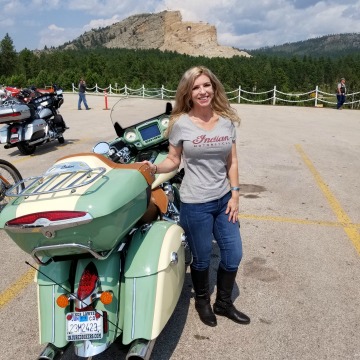
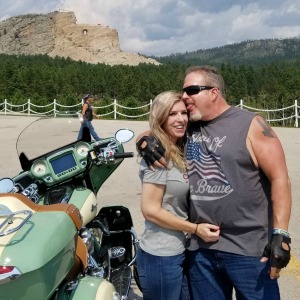
Little Teri and I just returned from riding around Pigeon Forge, Gatlinburg and the Tennessee mountains.
We rode the Tail of the Dragon.
We rode the Devil’s Triangle.
We rode mountain roads, dealt with steep grades, tourist traffic and plenty of crawling along at low speeds.
After my first day with the Rekluse, I kept thinking:
Boy, could I have used this last week.
Especially in Gatlinburg and Pigeon Forge traffic.
And Don’t Get Me Started on Sturgis
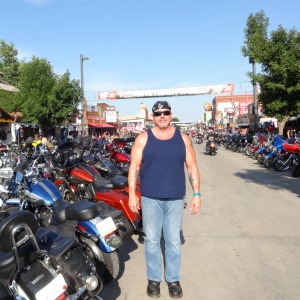
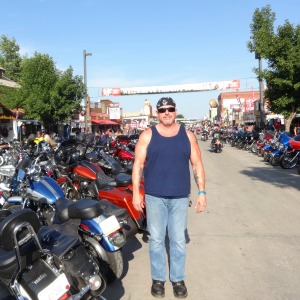
I’ve ridden to the Sturgis Motorcycle Rally every year since 2012 except 2020 and 2024.
If you’ve ever ridden through downtown Sturgis when thousands of motorcycles are crawling through town, you already know where I’m going with this.
Move five feet.
Stop.
Feather the clutch.
Move another ten feet.
Stop.
Clutch.
Throttle.
Clutch.
Throttle.
Repeat that for what can seem like an hour.
And because of the Stage 2 setup, my Roadmaster has required even more clutch feathering than I would like when moving at those extremely low speeds.
With the Rekluse, that problem is essentially gone.
That’s why I honestly wish I had known about this product years ago.
I would have bought one.
Southern California Traffic Is Another Perfect Example
I’ve spent plenty of time riding in Southern California traffic.
Yes, California allows lane splitting.
No, that doesn’t magically eliminate stop-and-go traffic.
There are plenty of situations where you’re still crawling along at extremely low speeds, particularly when traffic becomes too tight or unpredictable to safely split lanes.
That’s where constant clutch work becomes tiring.
The Rekluse appears to eliminate much of it.
There Is One Important Parking Drawback
There is a trade-off everyone considering a Rekluse needs to understand.
When the engine is off, the auto clutch is disengaged.
That means you shouldn’t rely on simply leaving the motorcycle in gear to keep it from rolling when parked on an incline, as you normally might with a conventional clutch.
Rekluse provides a Velcro strap that holds the front brake lever engaged when parking on an incline.
Is that as convenient as simply leaving the motorcycle in first gear?
No.
That’s a legitimate drawback.
It means developing another habit when parking on hills.
For me, based upon what I’ve experienced so far, that inconvenience appears relatively minor compared with the benefits I’m getting every time I ride.
Backing the Motorcycle Up Is Slightly Different
I discovered another quirk during my first day.
If I’m in first or second gear and try manually backing the motorcycle up, it seems to fight me somewhat.
The solution couldn’t be much simpler.
Either pull in the clutch lever or put the transmission in neutral.
Then back it up normally.
Problem solved.
Starting the Motorcycle
Rekluse recommends starting the motorcycle in neutral.
That’s not an issue for me.
You can also start the motorcycle in first gear with the clutch lever pulled in.
Again, these aren’t major compromises.
They’re simply slightly different habits.
And You Can Always Go Back to Stock
Another thing I like about this modification is that you’re not permanently altering the motorcycle.
If I eventually decide I don’t like the Rekluse, I can return the motorcycle to its conventional clutch configuration.
I’m certainly not anticipating doing that after my first ride.
Quite the opposite.
But I like modifications that don’t lock you into something permanently.
This Isn’t the Automatic Indian I’ve Been Asking For—but It’s Closer
I still believe Indian and Harley-Davidson should offer an automatic or automated transmission option on their premium touring motorcycles.
I would buy one.
And I believe plenty of other riders would too.
But after experiencing the Rekluse, I’ve realized that eliminating the clutch from many everyday riding situations accomplishes a significant part of what I’ve wanted from an automatic motorcycle.
I still get to shift.
I still decide what gear I want.
I still have complete control over the motorcycle.
I still have engine braking.
I still have my clutch lever whenever I want it.
But when I’m sitting at a red light?
I don’t need to hold the clutch.
When I’m taking off?
The Rekluse can handle the clutch engagement.
When I’m crawling through traffic?
The Rekluse manages the friction zone.
When I’m creeping along in first gear on my Stage 2 Roadmaster?
I no longer have to constantly feather the clutch just to keep the motorcycle moving smoothly.
That’s a pretty significant improvement without replacing the transmission.
Next Test: More Mountains
Little Teri and I are going to ride some mountain roads this weekend, and I’m genuinely looking forward to putting more miles on the Rekluse.
Now that I’ve read the manual and better understand what the system is doing, I suspect the second ride will be even better than the first.
We’re also planning a motorcycle trip to Washington, D.C. in a few weeks.
If you’ve ever experienced Washington traffic, you probably understand why I’m already looking forward to having this thing installed for that trip.
I think it’s going to be a dream in heavy traffic.
My Initial Verdict: 10 Out of 10
Let me emphasize that this is an initial review.
I’ve only ridden approximately half a day with the Rekluse.
I’ll update this after I’ve accumulated considerably more miles, because I want to see how it performs over time and in different riding conditions.
But after day one?
10 out of 10.
My reaction remains:
WOW. How did I get along without this?
After 50 years of riding, it’s rare for a motorcycle modification to fundamentally change something I’ve been doing almost automatically for my entire riding life.
The Rekluse did exactly that.
In fact, the hardest part of learning to use it wasn’t operating the Rekluse.
It was convincing my left hand to stop operating the clutch lever out of 50 years of instinct.
Once I did that, I began appreciating what this system actually offers.
It doesn’t take away the things I love about my Indian Roadmaster.
I still shift gears.
I still have my clutch whenever I want it.
I still engine brake.
I still have the Stage 2 performance I love.
But now I also have something I’ve wanted ever since that Stage 2 was installed: the ability to ride slowly and smoothly in first gear without constantly feathering the clutch myself.
What the Rekluse eliminates is much of the annoying clutch work at stoplights, in traffic, at parade speeds, on hills and while crawling along at walking speed.
For riders of heavyweight touring motorcycles, especially those who spend time in heavy traffic, ride two-up, tour through the mountains, have performance upgrades that make slow-speed operation more difficult, or attend major rallies like Sturgis, I think this is an upgrade worth seriously considering.
Based on my experience so far, I highly recommend the Rekluse Auto Clutch.
And after nearly 50 years of riding motorcycles, I don’t say this very often:
I wish I had discovered it years ago.
*** UPDATE: 150 More Miles in the Mountains—Now I’m Completely Sold
I wanted to add an update to my original review now that I’ve had another full day riding my Indian Roadmaster with the Rekluse Auto Clutch.
Today I put approximately 150 miles on the bike, much of it on serious mountain roads, and I’ve now had enough time with the Rekluse to start breaking some of my nearly 50 years of conventional-clutch habits.
My opinion of it has actually gotten better.
This is exactly what I wanted.
If you’re a rider who wants an upgrade in technology without giving up your manual transmission or the experience of actually shifting your motorcycle, I would absolutely recommend considering the Rekluse.
I’m Finally Learning to Stop Using the Clutch
The biggest adjustment has nothing to do with the Rekluse itself.
It’s me.
After nearly 50 years of riding, clutch operation is completely automatic. On my first ride with the Rekluse, I kept grabbing the clutch lever simply because that’s what my left hand has been trained to do.
Today I became much more comfortable letting the Rekluse do its job.
And once you start trusting it, the system really begins to make sense.
At slow speeds, approaching intersections and coming up to stop signs, I simply downshift as the RPM drops without worrying about operating the clutch lever. I can come all the way down through the gears, stop in first and sit there without holding the clutch.
When it’s time to go, I roll on the throttle and the Rekluse engages.
That’s it.
I Still Use the Clutch for Normal Upshifting
When I’m accelerating and shifting into the higher gears, I still generally use the clutch lever.
At those speeds, the engine RPM is normally above the Rekluse’s disengagement range anyway, so I simply shift the motorcycle the way I always have.
And that’s perfectly fine with me.
I never wanted to stop shifting gears.
What I wanted was to stop worrying about the clutch when I don’t need it, particularly at slow speeds, in traffic, approaching stops and when getting underway again.
That’s exactly what the Rekluse gives me.
Slow-Speed Riding Is Completely Different
This remains one of the biggest improvements for my particular Roadmaster.
Ever since I installed the Stage 2, riding very slowly in first gear required me to constantly feather the clutch to keep the motorcycle smooth.
That problem is gone.
Now the Rekluse manages clutch engagement for me at those low speeds.
Instead of concentrating on the friction zone, I can concentrate on where I’m going, my balance, the road surface, traffic and everything else happening around me.
For a heavyweight touring motorcycle, I really appreciate that.
Sitting in Gear Still Feels Bizarre
Even after another 150 miles, there’s something that still makes me smile.
You can pull into a gas station, downshift into first, stop the motorcycle and just sit there in gear without touching the clutch lever.
After nearly 50 years of riding motorcycles, that still feels bizarre.
Your brain keeps telling you that the engine should stall.
It doesn’t.
The same thing happens at a long traffic light. Instead of sitting there squeezing the clutch lever, my left hand can simply relax.
Once the light changes, roll on the throttle and go.
I’m quickly getting used to it—and I don’t think I’m going to want to give it up.
Engine Braking Works
I also spent plenty of time engine braking today because of the mountain roads.
Once again, the idea that you lose engine braking with the Rekluse has not been my experience at all.
I engine-braked normally throughout the ride.
There was one instance while I was in third gear where the RPM apparently dropped below the engagement point and I wanted additional engine braking. I gave the throttle just a slight blip, the clutch engaged again, and I immediately had the engine braking I wanted.
That was it.
Once you understand why it happens, it’s easy to deal with.
The More I Ride It, the More Natural It Becomes
There’s definitely an adjustment period.
You’re undoing habits that have been reinforced over decades of riding.
A couple of times today I caught myself grabbing the clutch lever when I didn’t need to.
Nothing happens if you do—the clutch lever remains completely functional. You can operate the bike conventionally whenever you want.
But then I would realize:
I didn’t need to do that.
As the day went on, I found myself using the clutch lever less and less at slow speeds and simply letting the Rekluse do what it was designed to do.
That’s when I really started appreciating it.
My Original 10/10 Rating Stands
In my original review, after only about half a day with the Rekluse, I gave it a 10 out of 10.
After another approximately 150 miles of mountain riding, I’m even more confident in that rating.
So far, the system has been essentially flawless.
It doesn’t turn my Roadmaster into an automatic motorcycle. I still choose my gears. I still shift. I still have my clutch lever. I still have normal engine braking. And I still have all the performance of my Stage 2 Roadmaster.
What it does is eliminate much of the clutch work that I’ve increasingly come to consider unnecessary.
After getting more comfortable with it today, I’ve reached a pretty simple conclusion:
I wouldn’t want my next motorcycle without one.
If Indian eventually offers an automated or fully automatic transmission on a Roadmaster, I’ll certainly be interested. Until then, the Rekluse Auto Clutch gives me a large part of what I’ve been asking for while allowing me to keep the motorcycle I already love.
After nearly 50 years of riding, I didn’t expect a clutch modification to change the way I ride this much.
But it has.
The more I ride with the Rekluse Auto Clutch, the more I wonder why I didn’t install one years ago.
About the Author
Norman Gregory Fernandez is a California personal injury trial attorney, longtime motorcyclist, U.S. Air Force Cold War veteran, and founder of The Law Office of Norman Gregory Fernandez & Associates. He has been riding motorcycles for approximately 50 years and writes about motorcycle touring, safety, technology, equipment, and the real-world experiences of long-distance riders.
Norman currently rides an Indian Roadmaster with a Stage 2 performance upgrade and regularly rides long-distance and mountain routes throughout the United States. He has attended the Sturgis Motorcycle Rally every year since 2012 except 2020 and 2024 and frequently rides with his wife, Teri.
Through the Biker Law Blog, Norman combines decades of motorcycle experience with nearly 30 years of experience representing injured people in California. His motorcycle product reviews are based on his own real-world riding experiences and are written from a rider’s perspective.
Disclosure: Norman purchased the Rekluse Auto Clutch reviewed in this article with his own money. Rekluse provided a veterans discount and complimentary FedEx 2-Day shipping. Neither Rekluse nor Frontline Eurosports paid for, sponsored, reviewed, or approved this article. The opinions expressed are Norman’s own and reflect his experience with the product at the time of publication.
Biker Law Blog: bikerlawblog.com
The Law Office of Norman Gregory Fernandez & Associates: thepersonalinjury.com
California Personal Injury Consultations: (800) 816-1529