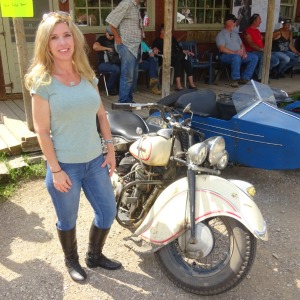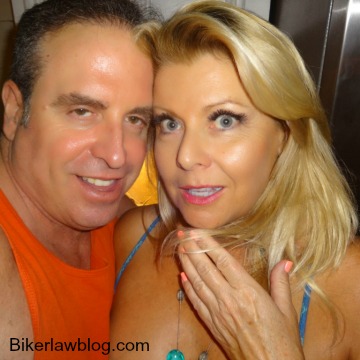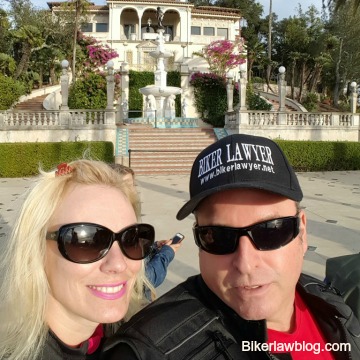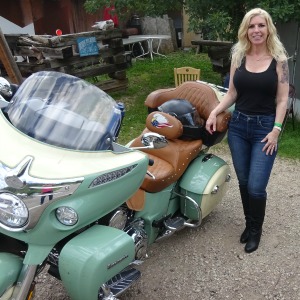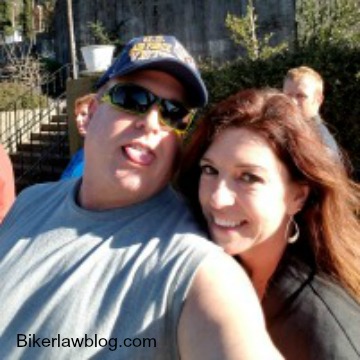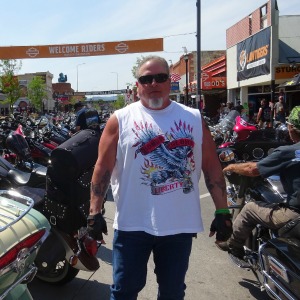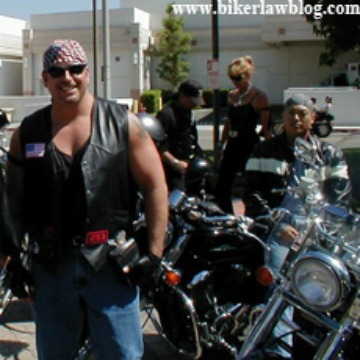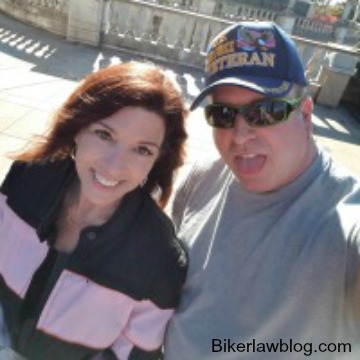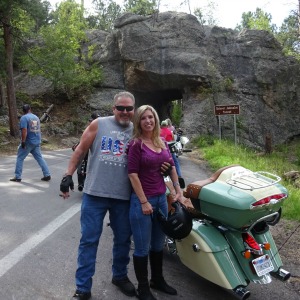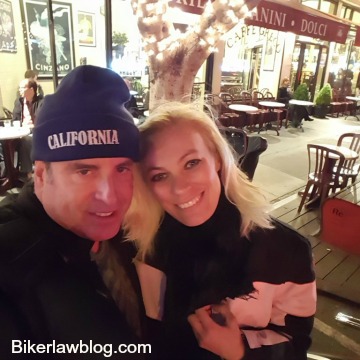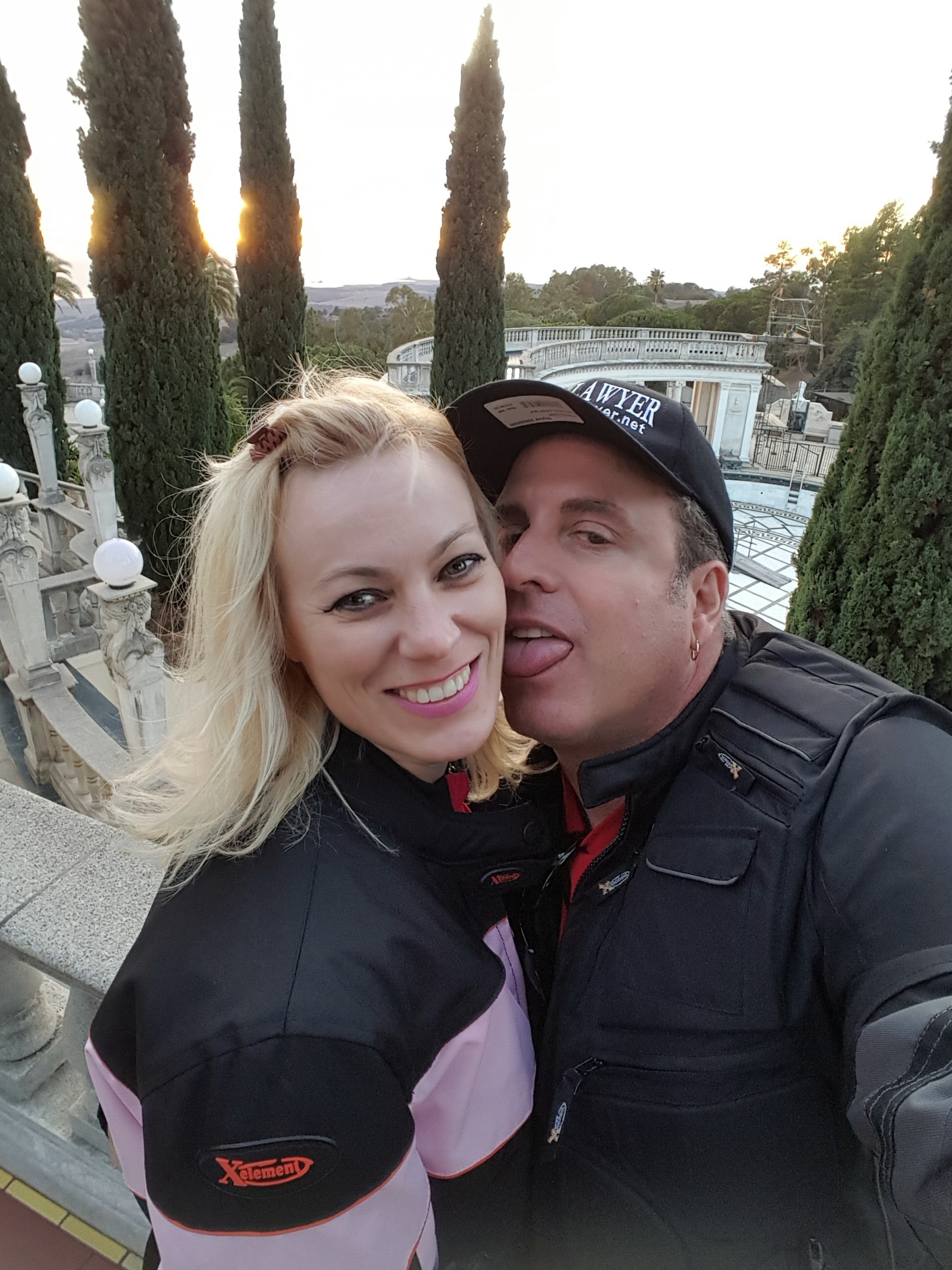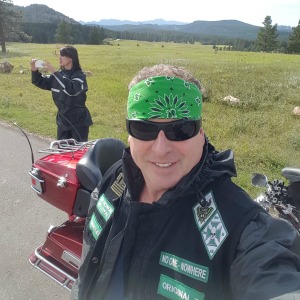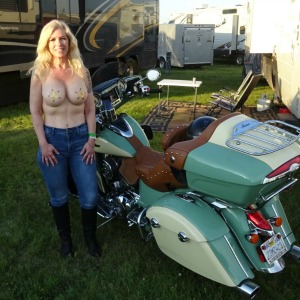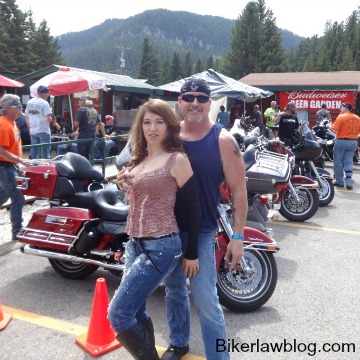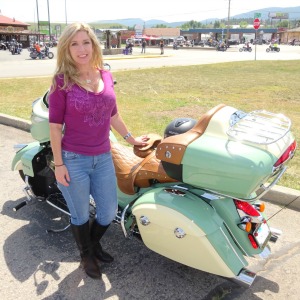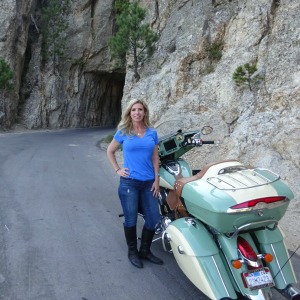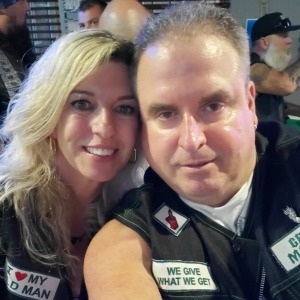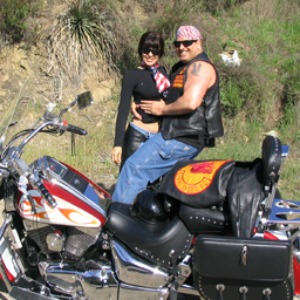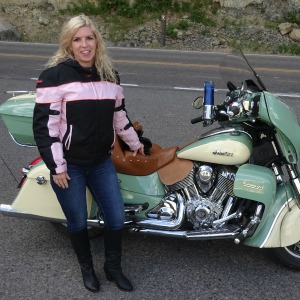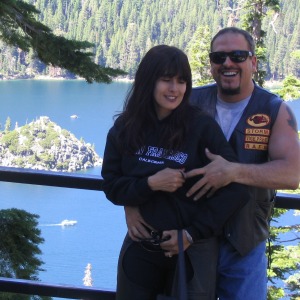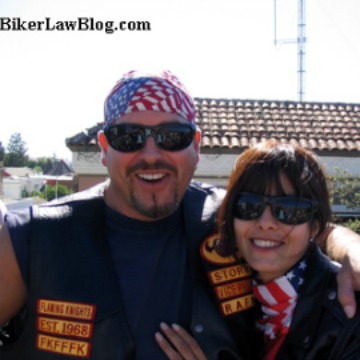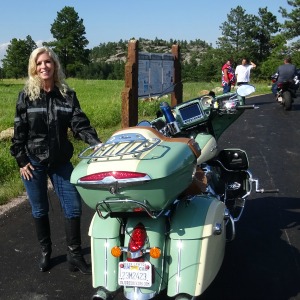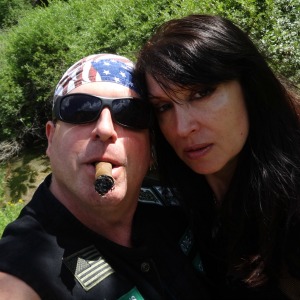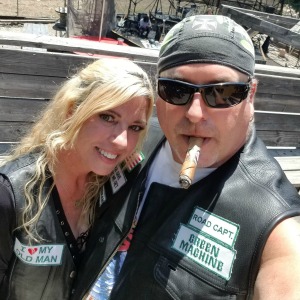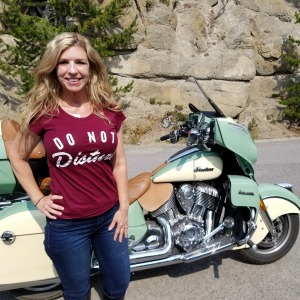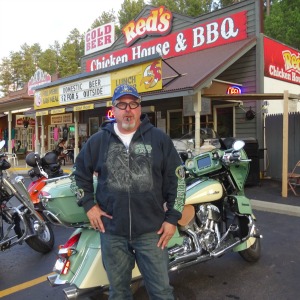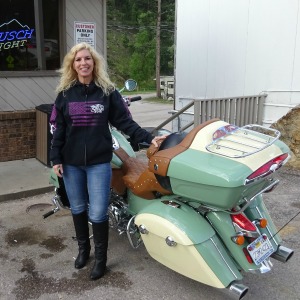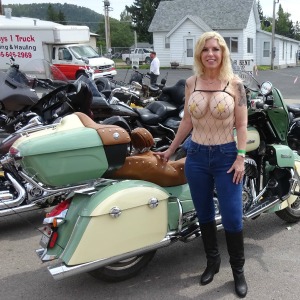
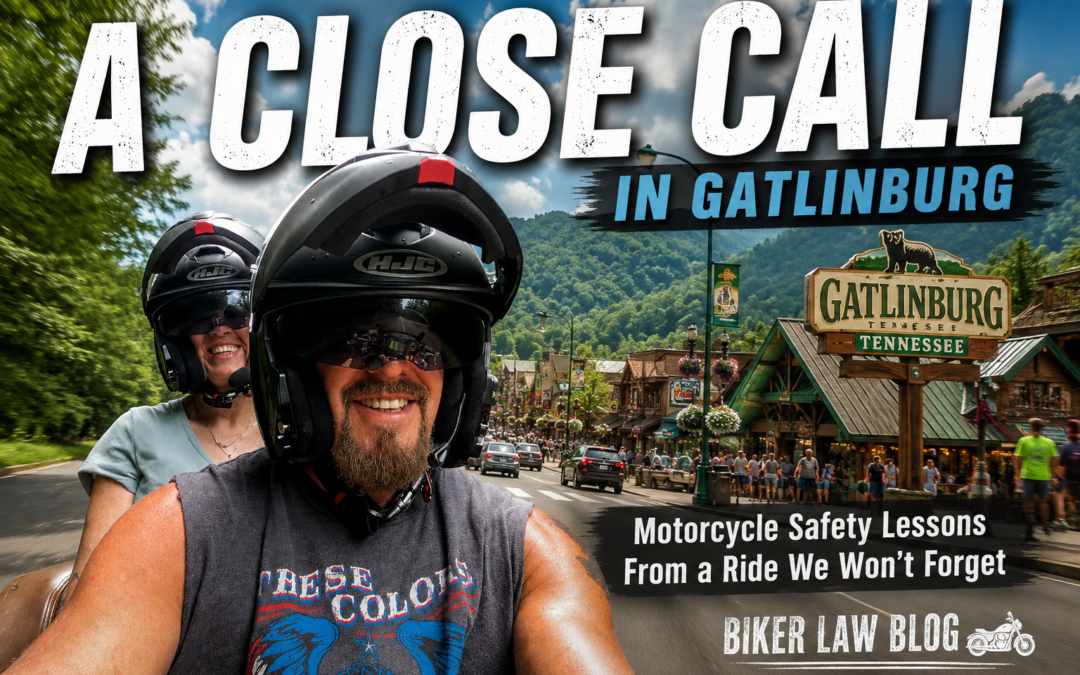
Yesterday, while riding through Gatlinburg, Tennessee, my wife Teri and I had one of those moments that every experienced motorcycle rider knows can happen in the blink of an eye.
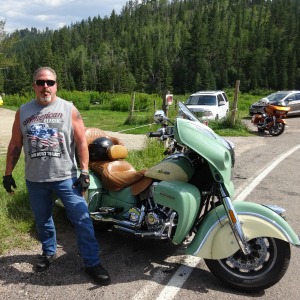
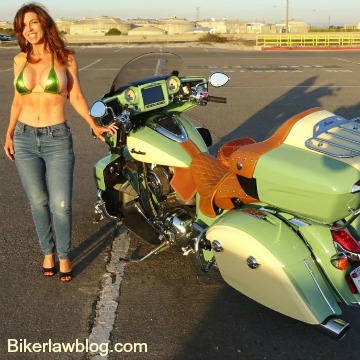
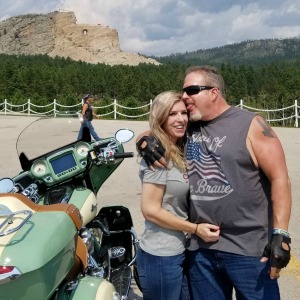
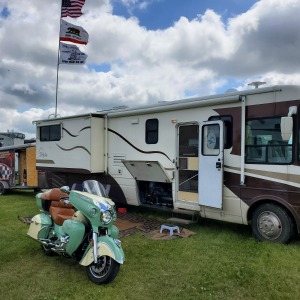
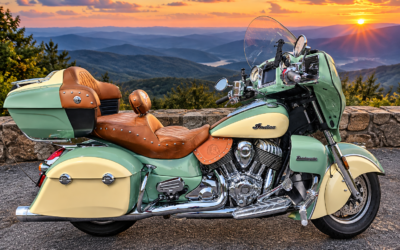
Nothing dramatic was happening. We weren’t flying through the mountains or carving through the curves. We were riding my Indian Roadmaster down the main drag in Gatlinburg at probably 10 to 15 miles per hour, surrounded by cars and pedestrians.
It was exactly the kind of situation where you can start to feel a little too comfortable.
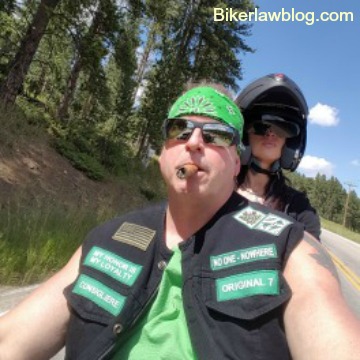
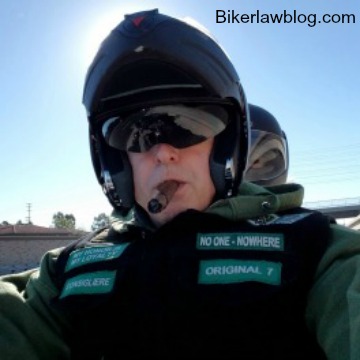
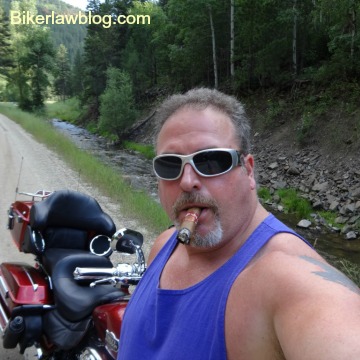
I had a cigar in my left hand, so my left hand was off the handlebar. Teri was riding behind me. Traffic was moving slowly, and everything seemed perfectly normal.
Then the SUV directly in front of us stopped suddenly.
There was virtually no warning from my perspective.
Because it was an SUV, I couldn’t see what was happening in front of it. What I later realized was that a pedestrian had entered the crosswalk, requiring the driver ahead of us to stop.
I immediately grabbed the front brake with my right hand.
The front wheel jerked.
And I only had one hand on the handlebars.
For a fraction of a second, I was convinced we were going down.
Somehow, I Kept the Roadmaster Up
Everything happened in seconds.
There wasn’t time to analyze the situation. There wasn’t time to think about the proper braking technique. It was simply reaction.
I grabbed the brake, the bike became unstable, and somehow—by the grace of God—I managed to keep it upright.
Anyone who has ridden a large touring motorcycle knows what that means.
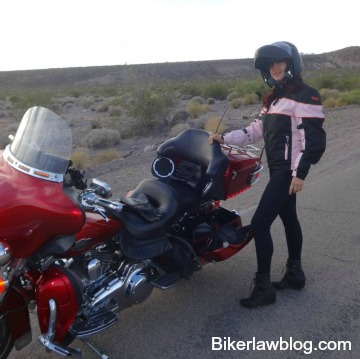
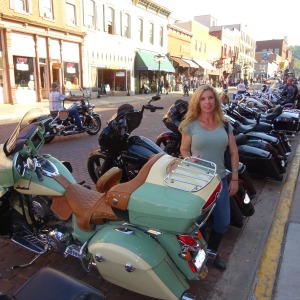
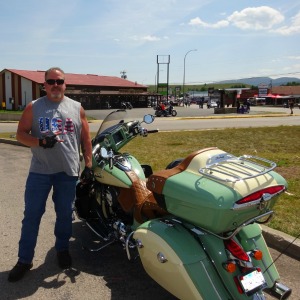
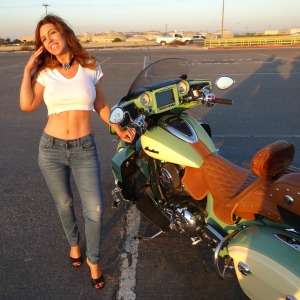
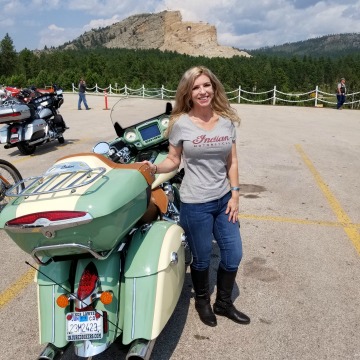
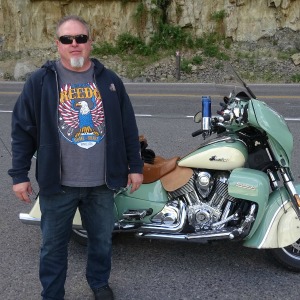
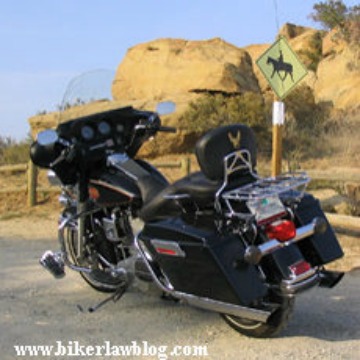
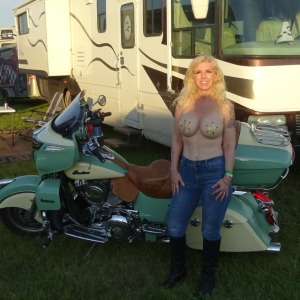
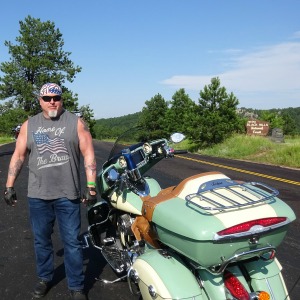
An Indian Roadmaster is roughly a 1,000-pound motorcycle once you start adding fuel, accessories, luggage and everything else we carry on these bikes. Add me and a passenger, and there is a tremendous amount of weight and momentum involved.
People sometimes think that because an accident happens at 10 or 15 mph, nobody is going to get seriously hurt.
That isn’t necessarily true on a motorcycle.
Had that Roadmaster gone down with Teri and me on it, either one of us could have ended up underneath it. We also had pedestrians immediately beside us. A simple low-speed fall could have turned into something much worse.
Fortunately, none of that happened.
We stayed upright.
Nobody was hit.
The motorcycle wasn’t damaged.
Teri and I weren’t injured.
But I came away from the experience with a few lessons reinforced very clearly.
Lesson No. 1: Leave More Following Distance Than You Think You Need
I’ve been riding motorcycles for many years, and I certainly know about maintaining a safe following distance.
Yesterday reminded me why that rule matters so much.
Never assume the vehicle in front of you is going to continue moving simply because traffic is moving.
That driver may suddenly encounter a pedestrian, another vehicle, an animal, a traffic signal or something you cannot see.
And when you’re riding behind an SUV, pickup truck, van or other large vehicle, your visibility ahead may be substantially reduced.
That was exactly what happened to me.
I couldn’t see the pedestrian entering the crosswalk because the SUV blocked my view. From my perspective, the SUV simply stopped.
The lesson is simple:
Don’t base your following distance on what you expect the vehicle ahead to do. Base it on what you will need if that vehicle suddenly stops.
Lesson No. 2: In Heavy Pedestrian Traffic, Expect Someone to Enter the Crosswalk
Gatlinburg is packed with pedestrians, particularly during tourist season.
When you’re riding through a place like that, crosswalks deserve special attention.
Tennessee law generally requires drivers to yield to pedestrians within qualifying crosswalk situations. Regardless of the precise legal circumstances in any particular situation, a motorcyclist should assume that a vehicle approaching a crosswalk may stop suddenly.
That’s especially important when you cannot see around the vehicle ahead.
Instead of watching only the vehicle directly in front of you, scan as much of the environment as possible:
- Sidewalks.
- Crosswalks.
- Intersections.
- Brake lights several vehicles ahead.
- People who appear ready to step into the roadway.
- Vehicles that may turn or stop unexpectedly.
Motorcycle survival is largely about recognizing a problem before it becomes your problem.
Lesson No. 3: There Is a Time and Place for One-Handed Riding
I’ll admit this one was entirely on me.
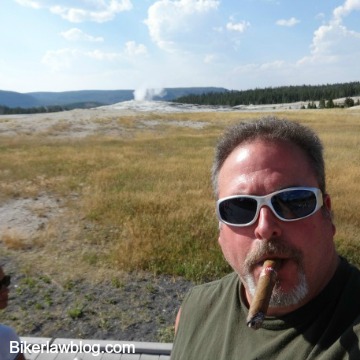
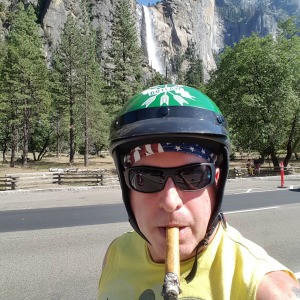
I had a cigar in my left hand.
At 10 or 15 mph on the main drag, it didn’t seem particularly dangerous.
Until it was.
When the SUV stopped, I instinctively grabbed the front brake with my right hand. But with my left hand off the handlebar, I didn’t have the control over the motorcycle that I would normally have.
When that front wheel jerked, things could have gone very differently.
There’s nothing unusual about experienced riders occasionally taking a hand off the bars. But yesterday reinforced an important distinction:
Slow-moving, congested traffic surrounded by pedestrians is not the place to do it.
In that environment, both hands belong on the handlebars.
Slow Speed Doesn’t Mean Low Risk
This experience also reminded me how deceptive low-speed riding can be.
At highway speeds, we’re naturally alert. We’re thinking about escape routes, following distance, road conditions and the vehicles around us.
At 10 mph in tourist traffic, it’s easy to relax.
But a big touring motorcycle can actually become more difficult to manage when something unexpected happens at very low speed.
The gyroscopic stability we have while moving faster is reduced. A sudden steering input or hard application of the front brake can quickly upset the motorcycle.
And once a 900- or 1,000-pound motorcycle begins leaning beyond the point where you can recover it, you’re probably not going to muscle it back upright.
Gravity wins.
Experience Doesn’t Make You Immune
I’ve ridden thousands upon thousands of miles over the years. I’ve ridden motorcycles through mountains, deserts, cities, heavy traffic and just about every type of road condition imaginable.
But experience doesn’t eliminate risk.
If anything, experience should teach us to respect it.
Sometimes the best motorcycle safety lessons aren’t learned from crashes.
They’re learned from the crashes that almost happened.
Yesterday was one of those lessons for me.
The Takeaway From Our Gatlinburg Close Call
Teri and I were lucky.
A situation that lasted only a few seconds could easily have resulted in both of us hitting the pavement, a thousand-pound motorcycle coming down with us, or even pedestrians becoming involved.
Instead, I managed to keep the Roadmaster upright and we continued on our way.
But I won’t forget what happened.
My takeaway is straightforward:
Keep a safe following distance.
Expect the vehicle in front of you to stop suddenly.
If your view ahead is blocked, increase that distance even more.
Watch pedestrians and crosswalks carefully.
And particularly in slow, congested traffic:
Keep both hands on the handlebars.
Motorcycle accidents don’t send invitations. They don’t give you five or ten seconds to prepare.
Sometimes you get only a fraction of a second.
Yesterday, Teri and I got a reminder of that on the streets of Gatlinburg.
Thankfully, this time, the lesson didn’t come with road rash, broken bones, a damaged motorcycle—or something worse.
Ride safe. Stay alert. And never let slow traffic fool you into thinking nothing can happen.
About the Author:
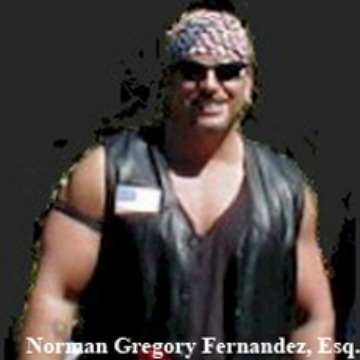
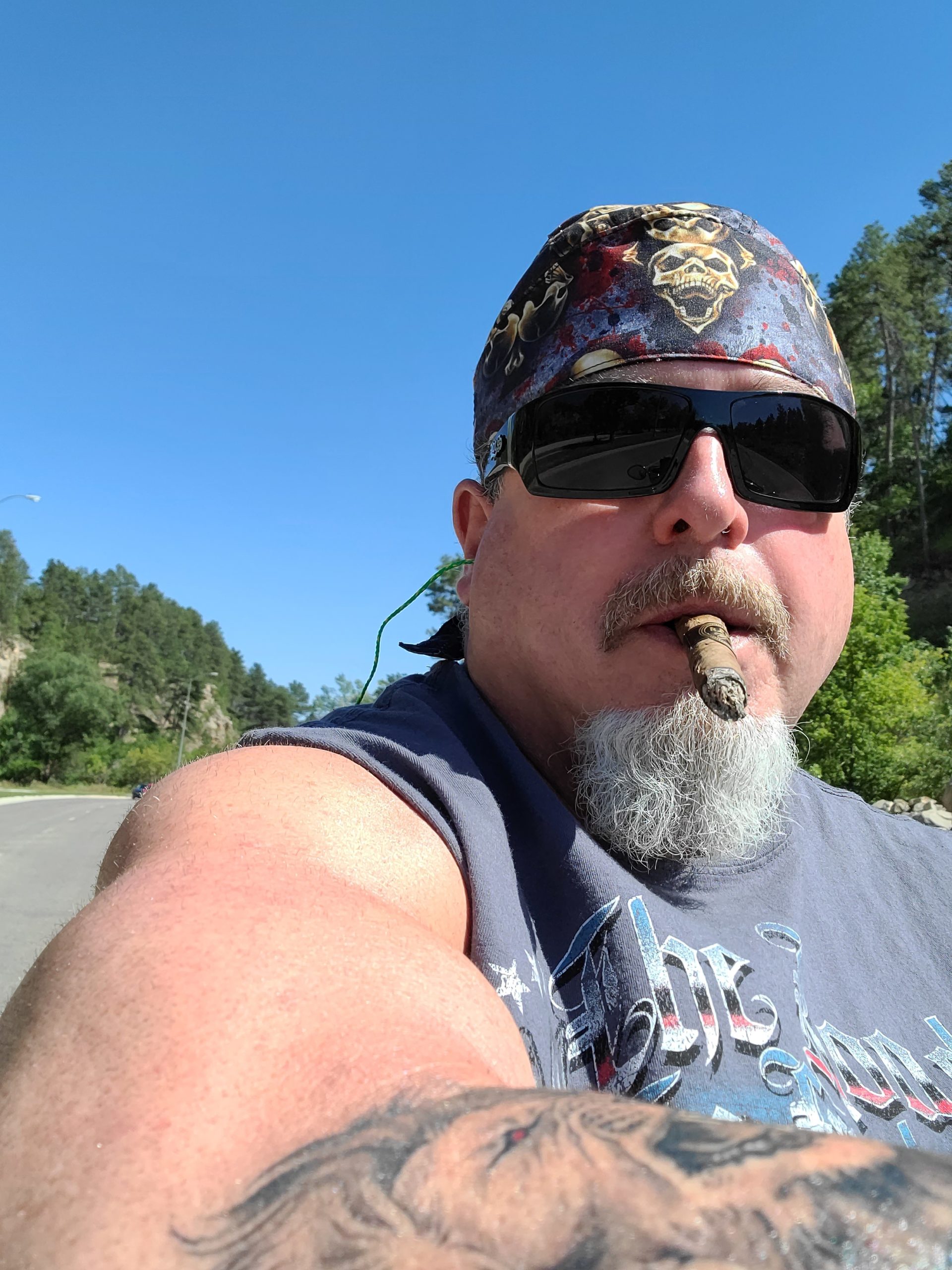
Norman Gregory Fernandez is a California personal injury attorney, longtime motorcycle rider, U.S. Air Force Cold War veteran, and founder of the Biker Law Blog. He has represented injured motorcyclists and other accident victims throughout California for decades. When he isn’t practicing law, Norman can often be found riding his Indian Roadmaster with his wife, Teri.
© 2026 Norman Gregory Fernandez. All Rights Reserved.
Originally published on the Biker Law Blog. Unauthorized reproduction or republication without written permission is prohibited.