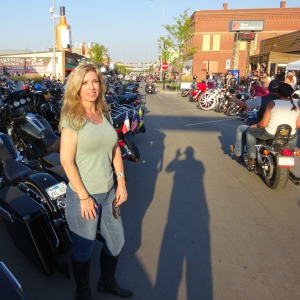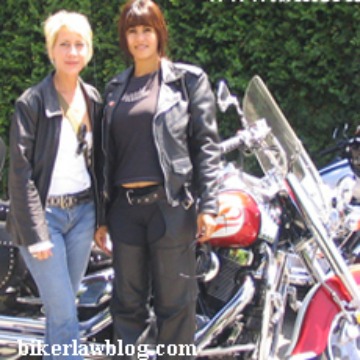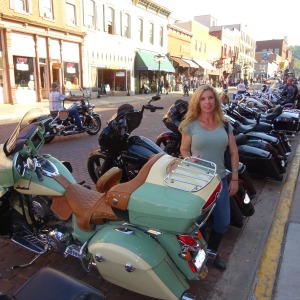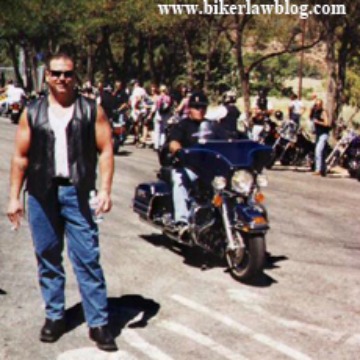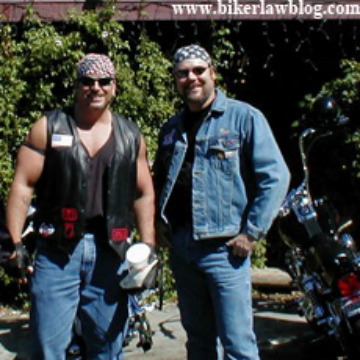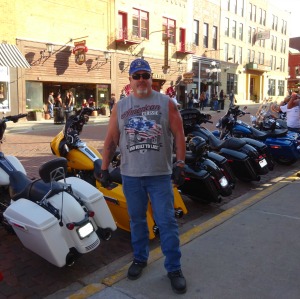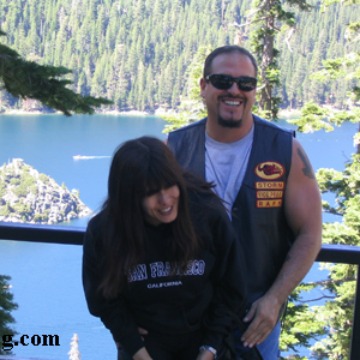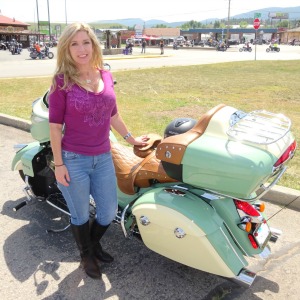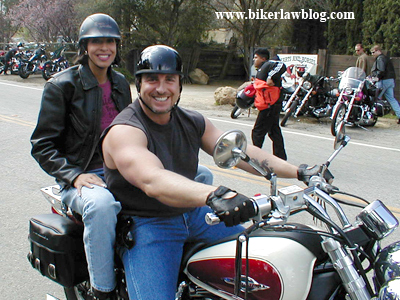

Motorcycle Safety Tips from a California Motorcycle Accident Attorney and Lifetime Rider
Life in the Wind
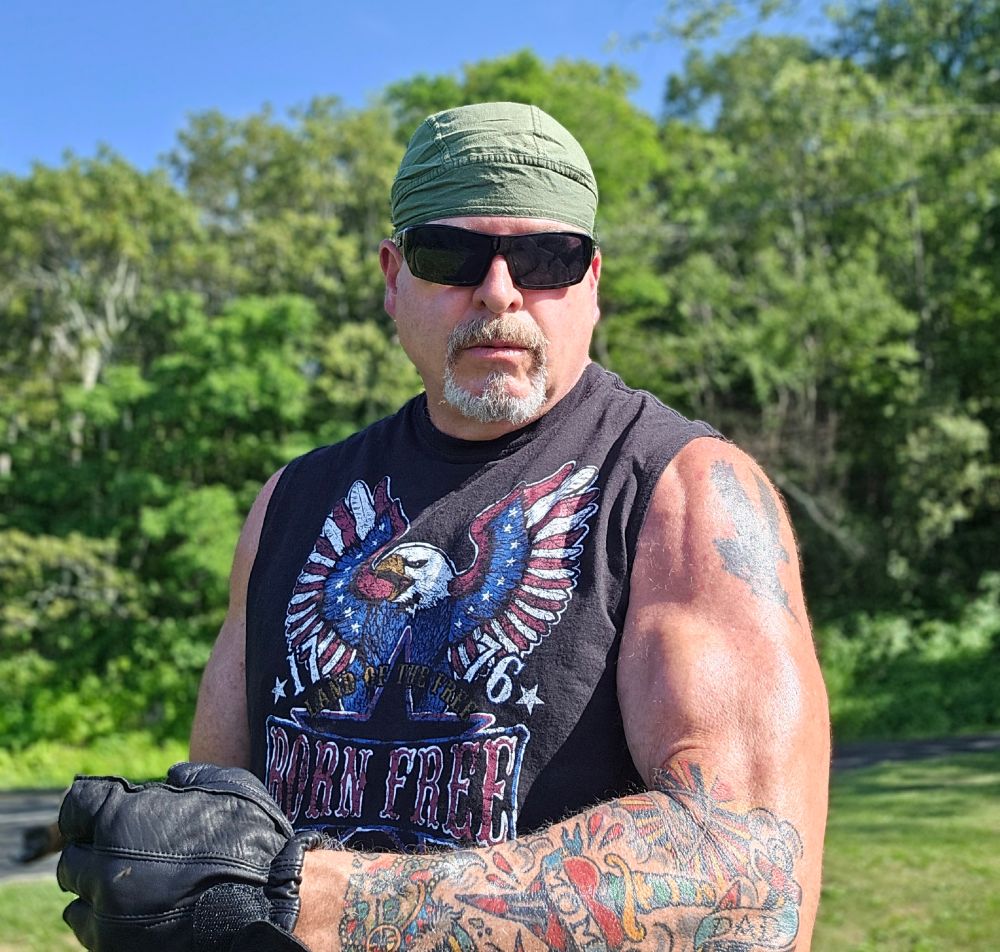
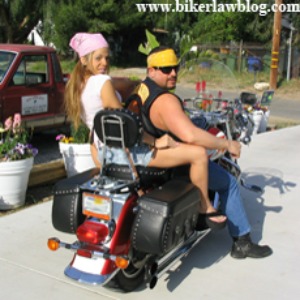
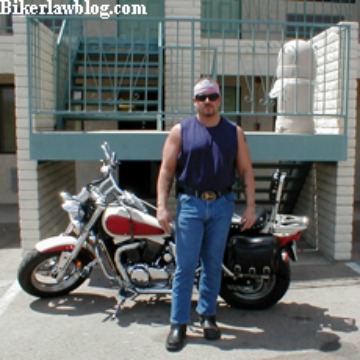
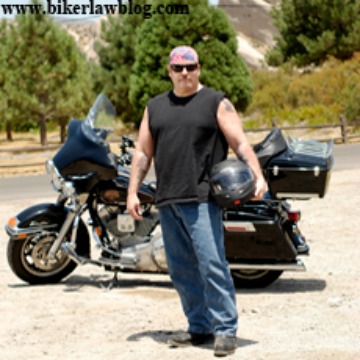
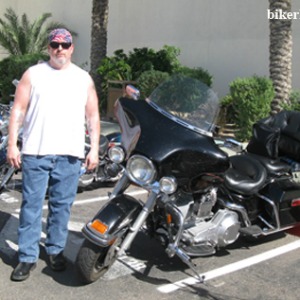
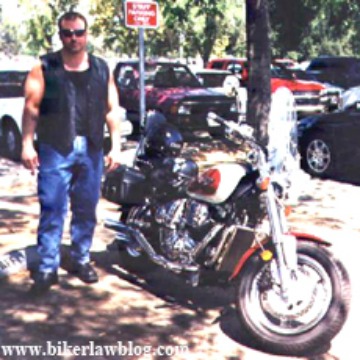
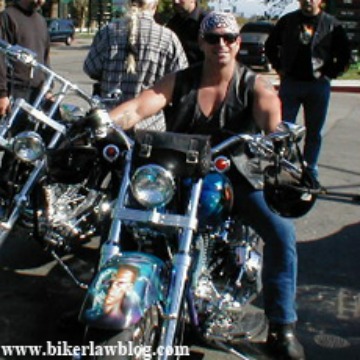
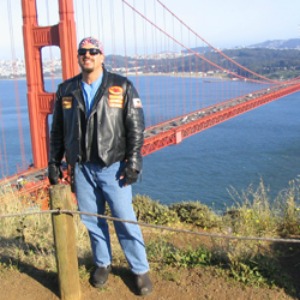
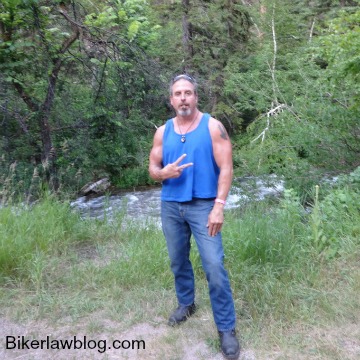
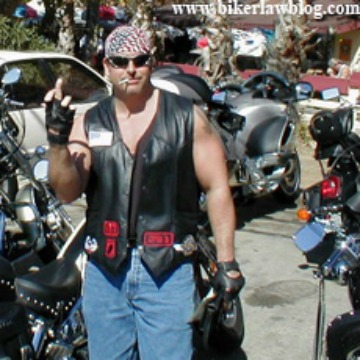
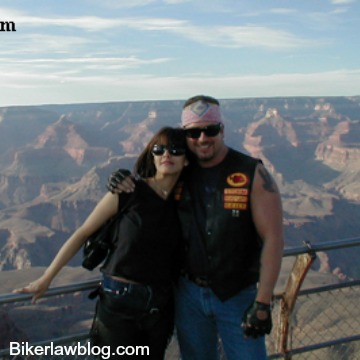
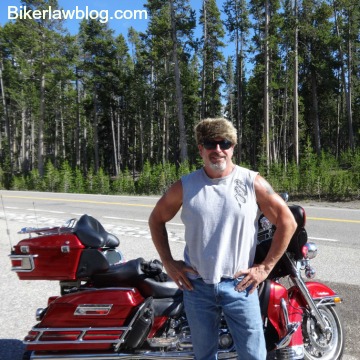
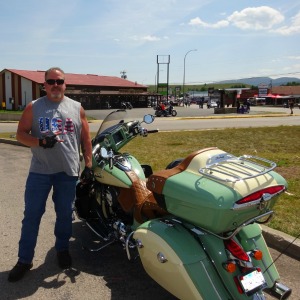
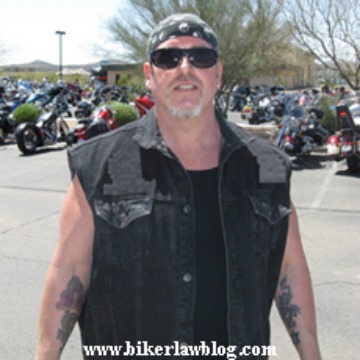
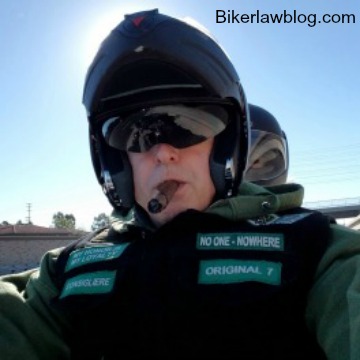
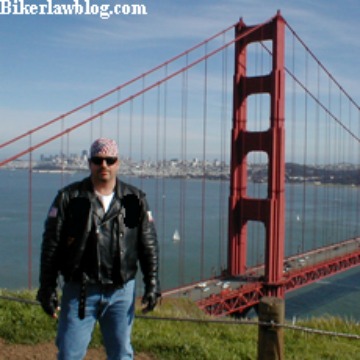
Biker Lawyer Norman Gregory Fernandez
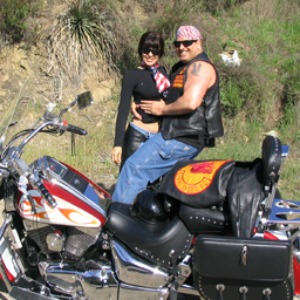
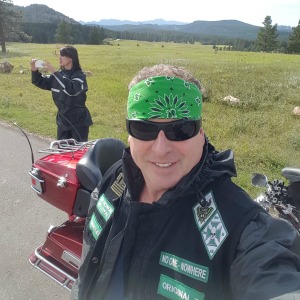
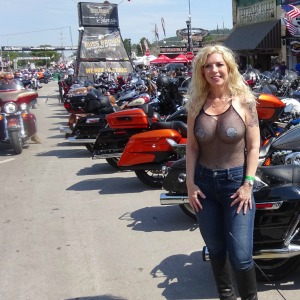
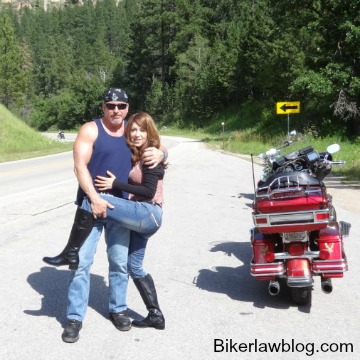
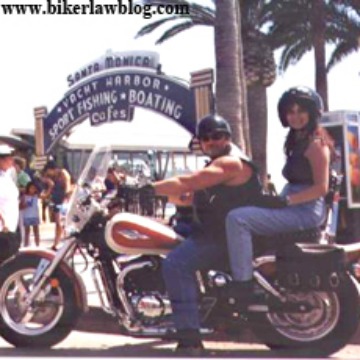
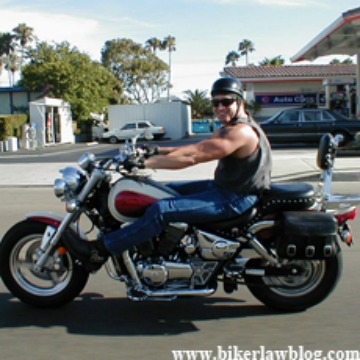
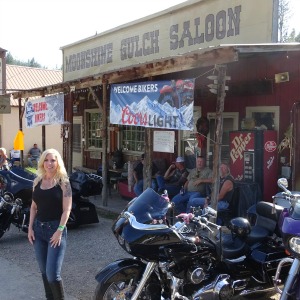
People often ask me why I ride motorcycles.
The answer is simple.
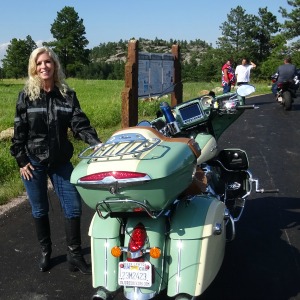
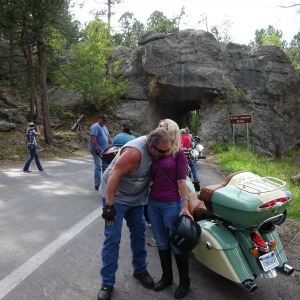
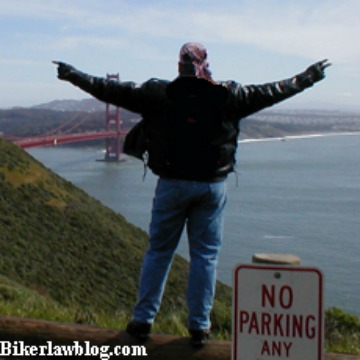
There is nothing quite like being out on the open road on two wheels. Riders often refer to it as “getting in the wind.” It is difficult to explain to someone who has never experienced it, but riding a motorcycle creates a unique combination of focus, awareness, freedom, and calm.
When I ride, my senses become more alert, yet my mind becomes quieter. You smell the air, feel changes in temperature, see landscapes differently, and become connected to the road in a way that simply is not possible inside a car.
For many riders, motorcycling is more than transportation—it is a passion, a lifestyle, and sometimes even a form of therapy.
Unfortunately, riding also comes with risks.
As both a lifelong rider and a California motorcycle accident attorney, I have seen the rewards of riding and the devastating consequences that can occur when things go wrong.
The purpose of this article is to share practical motorcycle safety tips based on decades of riding experience and years of representing injured motorcyclists.
The Reality of Motorcycle Riding
Motorcycles provide very little protection in a crash.
Unlike occupants in cars, riders do not have airbags, seat belts, steel frames, or crumple zones protecting them.
Because of this, every rider should approach motorcycling with a safety-first mindset.
Over the years I have experienced:
- Near collisions with drunk drivers
- Sudden obstacles on freeways
- Gravel and road hazards
- Unsafe lane changes by motorists
- Dangerous group ride situations
- Motorcycle crashes caused by other riders
Many of these incidents could have resulted in catastrophic injuries or death.
The common theme is that most motorcycle crashes occur because of:
- Other drivers
- Road hazards
- Rider error
- Mechanical issues
- Unsafe riding conditions
The good news is that many motorcycle accidents can be prevented.
1. Inspect Your Motorcycle Before Every Ride
A motorcycle should be inspected before every ride.
A quick visual inspection can identify problems before they become emergencies.
Check:
- Tires
- Brakes
- Lights
- Turn signals
- Mirrors
- Fluid leaks
- Chain or belt condition
- Loose bolts or hardware
A tire failure or mechanical malfunction on a motorcycle can be far more dangerous than a similar problem in a passenger vehicle.
A two-minute inspection could save your life.
2. Maintain Proper Tire Pressure
Your tires are your connection to the road.
Incorrect tire pressure affects:
- Handling
- Cornering
- Braking
- Tire wear
- Stability
Check tire pressure regularly and follow manufacturer recommendations.
Remember that temperature changes affect tire pressure. A motorcycle that handled perfectly during a hot summer day may feel very different on a cold winter morning.
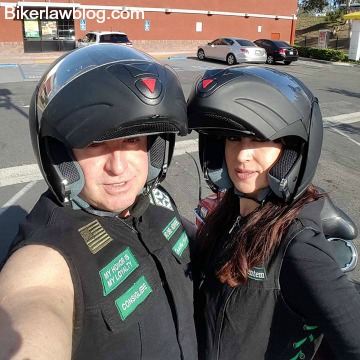
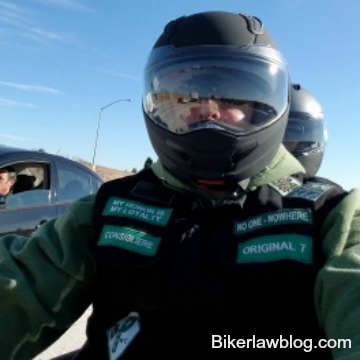
3. Wear a Quality Full-Face Helmet
Few safety items are more important than a quality helmet.
Over the years I have represented riders who suffered catastrophic head and facial injuries because they were not adequately protected.
A DOT-approved full-face helmet provides:
- Head protection
- Face protection
- Eye protection
- Wind protection
- Protection from road debris
- Reduced rider fatigue
Many riders focus on how a helmet looks.
My advice is simple:
Protect your brain before you protect your image.
A quality helmet may be the most important purchase you ever make as a rider.
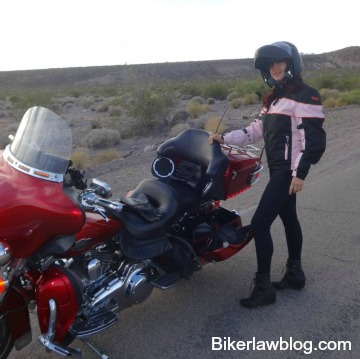
4. Wear Proper Riding Gear
The pavement does not care how experienced you are.
If you go down, your gear becomes your first line of defense.
I recommend:
Riding Jacket
A motorcycle-specific jacket with armor in the:
- Shoulders
- Elbows
- Back
Modern textile jackets often provide excellent ventilation while still offering substantial protection.
Riding Pants
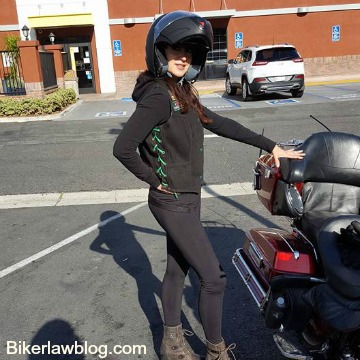
Motorcycle riding pants, leather pants, riding jeans, or armored riding gear provide significantly more protection than ordinary clothing.
Gloves
Hands are often the first body part to hit the ground in a crash.
Quality riding gloves can reduce:
- Road rash
- Fractures
- Hand injuries
Boots
Motorcycle boots should:
- Cover the ankle
- Provide traction
- Remain secure during a crash
Flip-flops, sandals, and athletic shoes offer very little protection.
5. Protect Your Eyes and Hearing
Many riders underestimate the long-term effects of wind exposure.
Eye Protection
Use:
- Full-face shield
- Riding goggles
- Motorcycle-rated eyewear
Flying debris, bugs, rocks, and dust can cause serious injuries.
Hearing Protection
Wind noise alone can damage hearing.
Quality earplugs can:
- Reduce fatigue
- Improve concentration
- Protect long-term hearing
Many experienced riders wear hearing protection on every ride.
6. Ride Defensively
One of the most important lessons I have learned over decades of riding is this:
Never assume a driver sees you.
Motorcyclists are frequently involved in crashes because another driver claims:
“I didn’t see the motorcycle.”
Ride as though you are invisible.
Avoid lingering in blind spots.
Watch for:
- Left-turning vehicles
- Distracted drivers
- Sudden lane changes
- Drivers using cell phones
Always maintain an escape route.
7. Approach Intersections with Extreme Caution
Intersections are among the most dangerous places for motorcyclists.
Many serious motorcycle crashes occur when a vehicle turns left in front of an oncoming motorcycle.
As you approach an intersection:
- Cover your brakes
- Reduce speed
- Scan for hazards
- Expect mistakes from other drivers
A few extra seconds of caution can prevent a life-changing collision.
8. Watch for Road Hazards
Motorcycles are much more sensitive to road conditions than cars.
Be alert for:
- Gravel
- Sand
- Oil
- Water
- Potholes
- Debris
- Construction zones
- Black ice
A hazard that barely affects a car can cause a motorcycle to lose traction instantly.
Always scan well ahead of your motorcycle.
9. Increase Following Distance
Following too closely leaves little time to react.
Maintain a minimum three-second following distance.
Increase that distance during:
- Rain
- Heavy traffic
- Night riding
- Poor visibility
More space equals more reaction time.
10. Be Careful When Lane Splitting
California permits lane splitting, but that does not mean it is risk-free.
Lane splitting requires:
- Excellent situational awareness
- Strong motorcycle control skills
- Constant concentration
If you choose to lane split:
- Ride at reasonable speeds
- Anticipate lane changes
- Watch mirrors and wheel movement
- Avoid aggressive maneuvers
New riders should gain experience before attempting lane splitting.
11. Ride Smart in Groups
Group rides can be enjoyable, but they introduce additional risks.
I recommend:
- Using staggered formation when appropriate
- Maintaining safe following distances
- Using hand signals
- Avoiding aggressive riding
- Riding within your skill level
Never feel pressured to ride beyond your comfort zone simply because you are part of a group.
12. Train Your Passenger
Passengers affect motorcycle balance and handling.
Before riding with a passenger:
- Explain how to mount and dismount
- Explain how to lean
- Explain foot placement
- Explain communication signals
A passenger who suddenly shifts weight at the wrong moment can create a dangerous situation.
Proper instruction improves safety for everyone.
13. Avoid Riding Impaired
Alcohol and motorcycles are a deadly combination.
Many motorcycle fatalities involve alcohol impairment.
Never ride after drinking.
Likewise, avoid riding with anyone whose judgment or abilities may be impaired.
No ride is worth risking your life.
14. Know Your Limits
One of the most dangerous attitudes in motorcycling is overconfidence.
Ride within:
- Your skill level
- Your experience level
- Road conditions
- Weather conditions
The goal is not to prove how fearless you are.
The goal is to make it home safely.
15. Take Breaks on Long Rides
Fatigue affects:
- Judgment
- Reaction time
- Concentration
Long-distance riders should stop regularly to:
- Stretch
- Hydrate
- Refocus
If you find yourself tired, pull over.
A short break is better than a serious crash.
Final Thoughts
Motorcycling is one of life’s great experiences.
It can be exhilarating, peaceful, challenging, and rewarding.
The key is to enjoy the ride while respecting the risks.
As someone who has ridden for decades and represented injured motorcyclists throughout California, I can tell you this:
Most riders who are injured never expected it to happen to them.
Ride smart.
Wear the best gear you can afford.
Stay alert.
Expect the unexpected.
And always make safety your highest priority.
Maybe one day our paths will cross out on the open road.
Until then, ride safe and keep the shiny side up.
Norman Gregory Fernandez, Esq.
California Motorcycle Accident Attorney
The Law Office of Norman Gregory Fernandez & Associates
Disclaimer: This article is provided for educational purposes only and does not constitute legal advice. Reading this article does not create an attorney-client relationship. Motorcycle riding involves inherent risks. Riders are responsible for their own safety decisions and compliance with applicable laws.