By Norman Gregory Fernandez | Biker Law Blog
If you spend any time on YouTube, podcasts, Reddit threads, or social media “news” channels, you’ll see it: self-appointed experts dissecting motorcycle club business as if they were embedded correspondents in the middle of it all.
They speak with certainty.
They speculate with authority.
They narrate with dramatic music in the background.
And most of the time, they’re wrong.
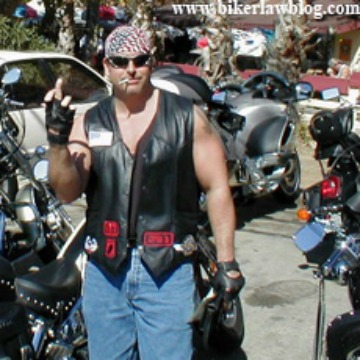
I’ve been in the motorcycle club world for over 30 years. I’ve been a member of two major national motorcycle clubs. I’ve lived it, ridden it, earned it, and respected it. So when I hear online commentators claim they “know how it really works,” I can’t help but shake my head.
There’s a big difference between reporting headlines and understanding culture.
The Problem With Internet Commentary
Most online commentators build their content around three things:
-
Arrest reports
-
Indictments
-
Rumors
They take the worst events involving a small number of individuals and present them as if they define the entire club world.
That’s good for clicks.
It’s good for ad revenue.
It’s terrible for truth.
If you only watched these channels, you would believe motorcycle clubs are nothing more than criminal enterprises waiting to implode at any moment. According to the online “experts,” clubs are constant chaos, constant conspiracy, constant violence.
But here’s the reality:
If that were true, motorcycle clubs could not exist.
The “Disgruntled Insider” Formula
There’s another angle you see over and over again.
Commentators bring on former members — guys who quit, were asked to leave, or were kicked out — and present them as “insiders exposing the truth.”
Of course you’re going to hear negativity.
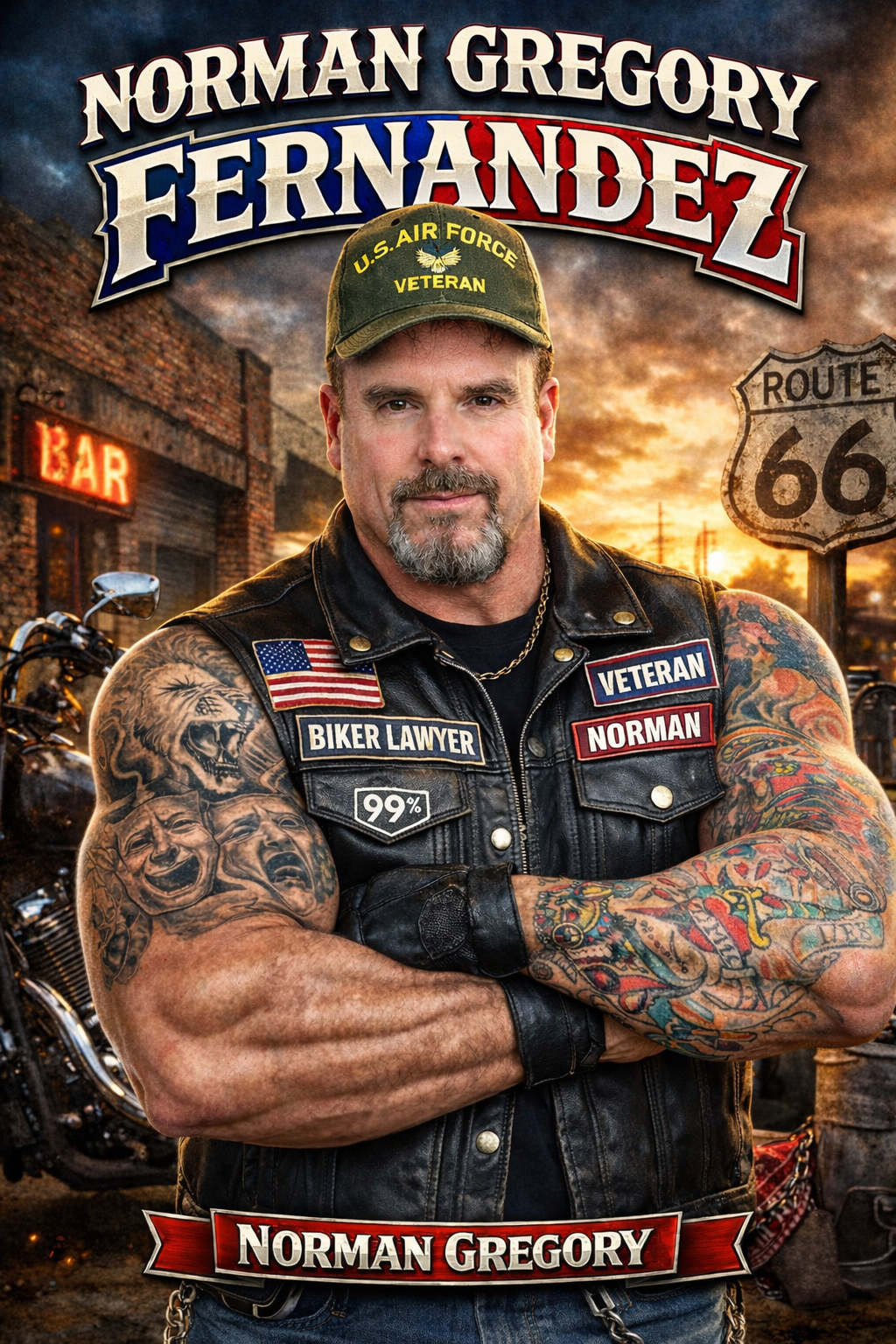
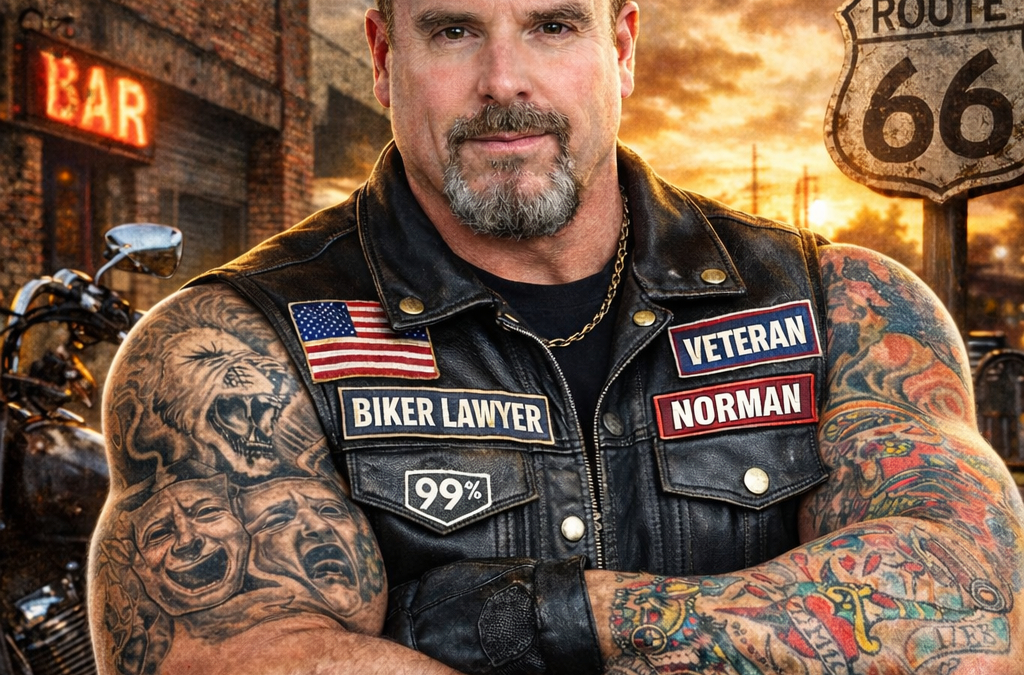
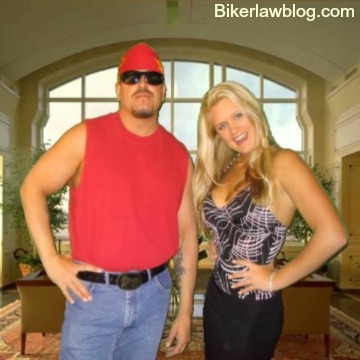
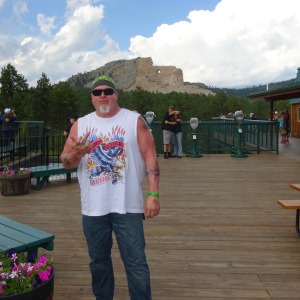
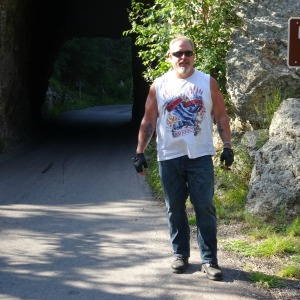
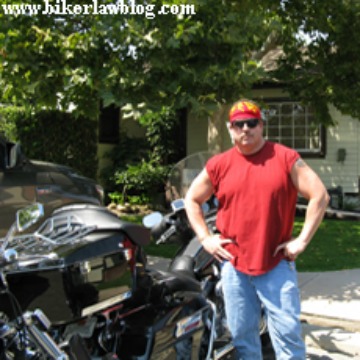
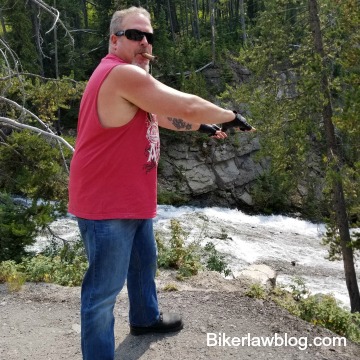
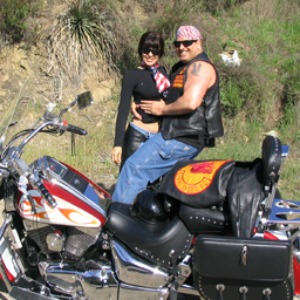
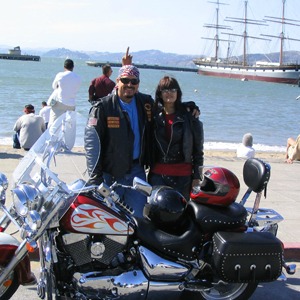
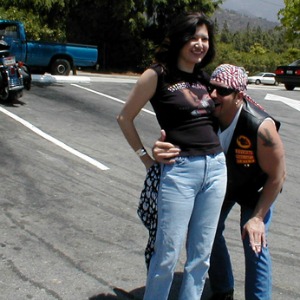
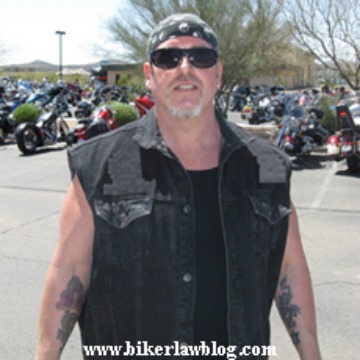
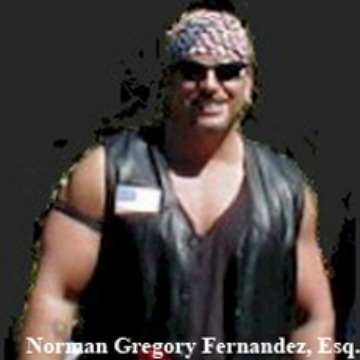
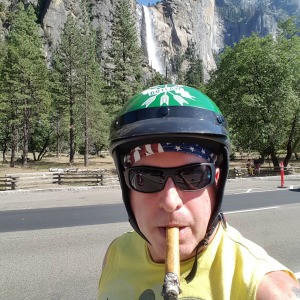
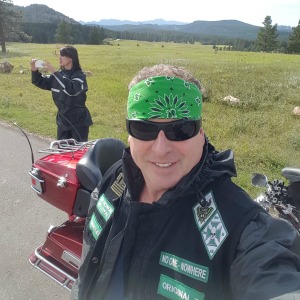
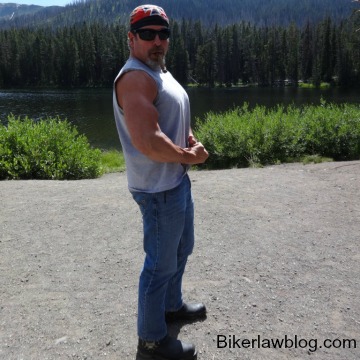
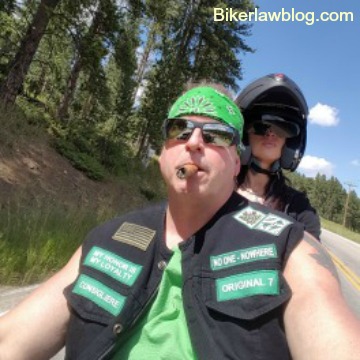
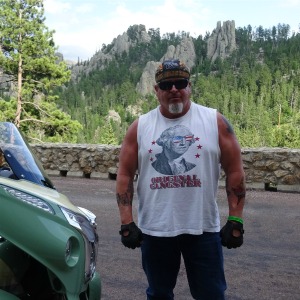
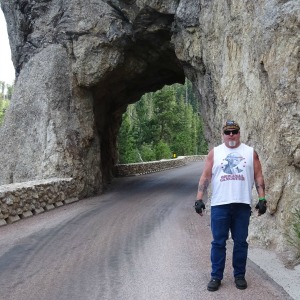
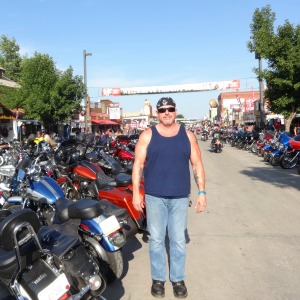
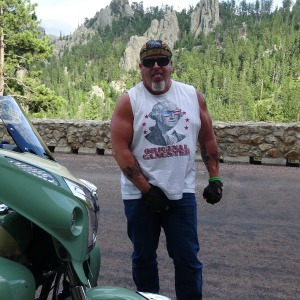
AI image of Norman Gregory Fernandez
If someone left under good terms and with respect, they’re not going online to air internal business. The guys who go public usually have an axe to grind. Maybe they didn’t like a decision. Maybe they didn’t follow protocol. Maybe they didn’t meet expectations. Maybe they just couldn’t handle the structure.
Whatever the reason, you’re not hearing from a neutral source.
You’re hearing from someone who is no longer part of the brotherhood.
And that perspective is then packaged as the definitive story of “how clubs really operate.”
Imagine interviewing only fired employees from a company and calling it an objective business analysis. That’s essentially what’s happening.
You will almost never see these commentators interview actual patched members of reputable clubs.
Why?
Because real club members don’t air club business publicly.
Just like the Masons don’t discuss internal lodge matters on YouTube, motorcycle club business is not for public consumption. It’s handled internally. It’s governed by rules. It’s protected by tradition.
That silence is interpreted online as “proof” that something sinister must be happening.
In reality, it’s just discipline.
Clubs Survive Because They Are Structured and Disciplined
Any organization that lasts decades — especially at a national or international level — must have structure, order, and discipline.
Motorcycle clubs are no different.
The vast majority of club members:
-
Have valid driver’s licenses
-
Carry insurance
-
Register their motorcycles
-
Work regular jobs
-
Pay taxes
-
Raise families
-
Follow the laws of their communities
That doesn’t fit the dramatic online narrative, so it rarely gets mentioned.
What internet commentators don’t understand is that clubs survive because members conform to structure. There are bylaws. There are expectations. There are internal rules. There is accountability. Without that, a club collapses quickly.
The club world is not chaos. It is hierarchy, protocol, and respect.
Headlines Do Not Equal Culture
When something bad happens involving a patched member somewhere in the country, it becomes national news. That story then becomes fuel for online commentators who treat it as proof that “this is what clubs are.”
That’s intellectually lazy.
In any large organization — whether it’s a corporation, a church, a police department, or a motorcycle club — you can find misconduct if you look hard enough. The existence of misconduct does not define the whole.
Online commentators rarely explain that most club members go to work on Monday morning like everyone else.
They rarely explain that most club functions are charity rides, brotherhood events, memorials, or community gatherings.
They rarely explain that most internal club business is about maintaining order, not creating chaos.
Why?
Because that’s not exciting.
Outrage sells. Brotherhood doesn’t.
The 1%er World and Reality
Even in the so-called “1%er world,” the overwhelming majority of members are law-abiding citizens in their daily lives.
That surprises people who only consume sensational media.
But think about it logically: you cannot maintain a national footprint, own property, operate clubhouses, host events, and maintain consistent membership if your entire organization is living in open defiance of every law every day.
That’s not how reality works.
The online commentators don’t tell you about:
-
Members who are small business owners
-
Members who are veterans
-
Members who coach youth sports
-
Members who donate to charity rides
-
Members who quietly help each other through illness, job loss, or personal tragedy
Because those stories don’t generate outrage.
The Fantasy of “Insider Knowledge”
Many internet personalities claim to have “sources” or “deep insight” into club politics. They speak as though they’re present at every meeting, every discussion, every decision.
That’s fantasy.
Real club business is private. It is handled internally. It is governed by protocol. Those who are not members do not have access to it — no matter how many followers they have.
Speculation is not knowledge.
Watching court filings is not the same as living inside the culture.
Reading an indictment is not the same as understanding the day-to-day life of a chapter.
And interviewing a disgruntled former member is not the same as understanding brotherhood.
Brotherhood Is the Core
At its heart, the club world is about brotherhood.
That word gets tossed around casually online, but it means something very specific inside a club.
Brotherhood means:
-
Showing up when someone needs help
-
Respecting hierarchy
-
Earning your position
-
Living by a code
-
Protecting the patch and the reputation of your chapter
It also means understanding that your conduct reflects on something larger than yourself.
And part of that code is not taking internal business to the public square.
Silence isn’t guilt.
It’s respect for the structure.
A Personal Perspective
I’m not speaking as an outsider looking in.
I’ve worn a patch.
I’ve been in two major national clubs.
I’ve lived the lifestyle for three decades.
That doesn’t mean clubs are perfect. No organization is. It doesn’t mean bad things never happen. They do.
But it does mean the internet caricature of the motorcycle club world is wildly exaggerated.
The men I’ve known in the club world are mechanics, contractors, truck drivers, business owners, veterans, fathers, and grandfathers.
They pay mortgages.
They carry insurance.
They follow traffic laws.
They go to work every day.
And on the weekends, they ride.
That’s not a headline. But it’s the truth.
Why Accuracy Matters
As a lawyer who represents injured riders, I see firsthand how stereotypes affect people.
Jurors come into court with preconceived notions about bikers. Insurance companies adjust claims differently when a rider looks “intimidating.” Police reports sometimes reflect bias.
Those stereotypes are fueled by sensational narratives pushed online — often amplified by commentators who have never lived the life or who rely on disgruntled former members to tell one side of the story.
When commentators paint the entire club world as criminal by default, it has real-world consequences.
It affects how riders are treated on the road.
It affects how claims are evaluated.
It affects how juries perceive someone wearing colors.
Accuracy matters.
The Bottom Line
The internet will always have commentators who claim expertise. Some may mean well. Others are chasing views.
But real knowledge comes from experience.
Motorcycle clubs have existed for decades because they are structured, disciplined, and rooted in brotherhood. If they were nothing but lawlessness and chaos, they would have collapsed long ago.
And if you’re only hearing from guys who left angry, you’re not hearing the whole story.
The truth is less dramatic than the headlines.
The truth is that most club members are ordinary men who love motorcycles, value loyalty, respect structure, and live within the rules of society.
You won’t hear that much online.
But after 30 years in the club world, I can tell you — that’s the real deal.
—
Ride safe. Respect the road. And don’t believe everything you see on the internet.
About the Author
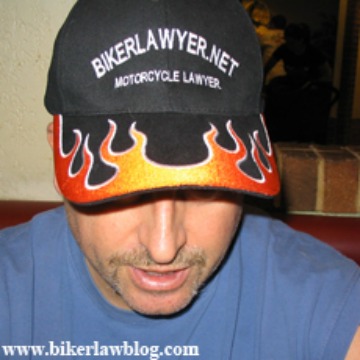
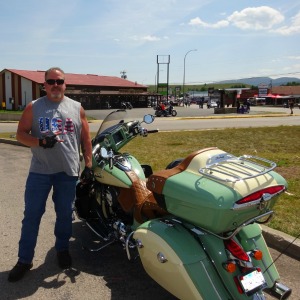
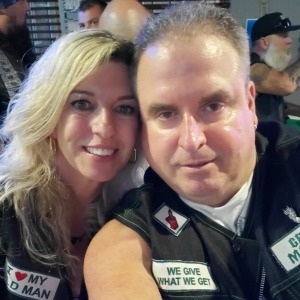
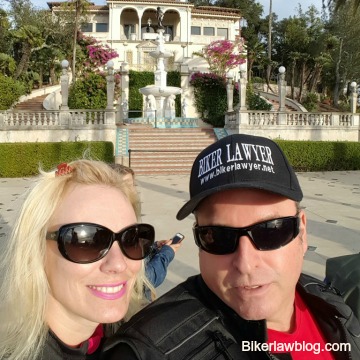
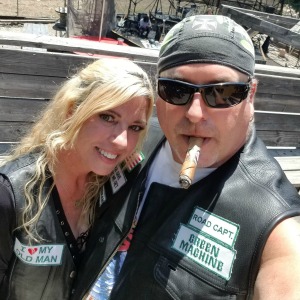
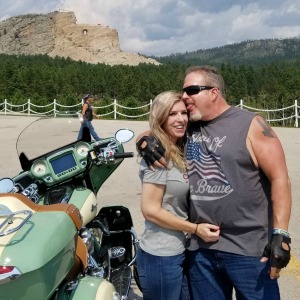
Norman Gregory Fernandez is not an outsider commenting on motorcycle culture — he is a man who has lived it.
For more than 30 years, he has been part of the motorcycle club world and a member of two major national motorcycle clubs. He understands the structure, the discipline, and the brotherhood from the inside. He knows that club life is built on loyalty, protocol, respect, and responsibility — not the sensational narratives often pushed online.
As a trial attorney and lifelong rider, Norman brings that same backbone and commitment to his clients. Known as the Biker Lawyer, he represents injured motorcyclists with strength, credibility, and real-world understanding of the culture.
Through his work at BikerLawBlog.com and his law practice at ThePersonalInjury.com, he advocates for riders who deserve fairness, respect, and justice — both on the road and in the courtroom.
He does not speak from headlines.
He speaks from experience.
















































































 Welcome, my name is