In a major development for the American motorcycling world, Polaris announced on October 13, 2025 that it will sell a majority stake in Indian Motorcycle to private-equity firm Carolwood LP, spinning the storied brand off into its own standalone company. Polaris — which acquired Indian in 2011 — will retain a minority equity stake after the deal closes, expected sometime in the first quarter of 2026.
Indian Motorcycle contributed roughly $478 million in the 12 months ending June 30, 2025 — about 7% of Polaris’s total revenues.
From a business standpoint, Polaris says the sale will improve its profitability — boosting adjusted EBITDA by an estimated $50 million and raising adjusted earnings per share by roughly $1.00.
But what does this mean for Indian as a brand, and for riders? There are both potential upsides and risks.
What Could Be Good for Indian — An Independent Comeback
🔹 Dedicated Focus & New Leadership
With Carolwood at the helm and a new CEO appointed — industry veteran Mike Kennedy (formerly of Harley-Davidson, Vance & Hines, and RumbleOn) — Indian now becomes a standalone operation. That means no more competing for resources inside Polaris alongside side-by-sides, snowmobiles, and off-road vehicles. Instead, Indian can focus solely on cruiser and touring bikes — potentially allowing faster innovation, improved product development, and renewed emphasis on quality and brand identity.
🔹 Stability of Workforce & Operations
According to the agreement, approximately 900 employees — including engineers, designers, manufacturing staff — will transition to the new Indian entity. Production facilities (in Spirit Lake, Iowa and Monticello, Minnesota) and the design and tech center in Switzerland remain intact.
🔹 Brand Heritage & Possible Growth
Indian already carries a legacy muscle: “America’s first motorcycle company,” rich in history and rider loyalty. Freed from Polaris’s broader corporate constraints, Indian could double down on heritage — perhaps new cruisers, updated classics, modern powertrains, and renewed marketing to reclaim or expand its place in the U.S. and global cruiser market.
What Could Go Wrong — Risk with Private-Equity Control
⚠ Private Equity Doesn’t Always Ride for the Long Haul
Carolwood LP, like many private-equity firms, may prioritize short- to medium-term returns. That can pressure the brand to cut costs, limit R&D, or emphasize volume over long-term investment. If sales disappoint, core models might get delayed or scrapped.
⚠ Uncertainty About Quality, Parts Supply & Dealer Network
While Indian says it will continue sales, service, and support for dealers during the transition, the supply chain might tighten. If the new owners push hard for profit — parts availability, warranty support, or aftermarket support might suffer, at least initially.
⚠ Risk of “American heritage” being diluted
With private equity influence, there’s always the danger of cost-cutting or platform sharing that could undermine Indian’s identity among riders who bought into heritage and brand authenticity.
Polaris Keeps a Minority Stake — Why That Matters
Polaris maintaining a minority interest could be a stabilizing factor. It gives Polaris a continued financial tie to Indian’s success. It also may offer continuity in parts of production, supply chain, or resources during the transition. For riders, that could mean less disruption, and the benefit of a partially “seasoned” corporate spine behind a newly independent brand.
At the same time, because Polaris still holds a stake, there is added incentive for Carolwood to honor Indian’s legacy and maintain (or grow) value — which could bode well for long-term stability.
Final Thoughts
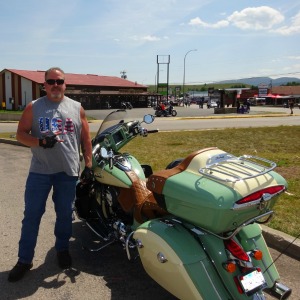
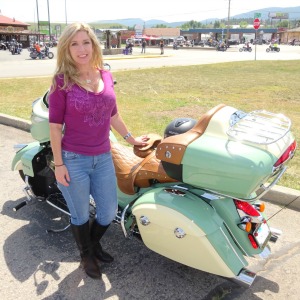
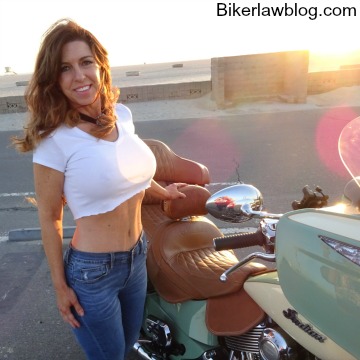
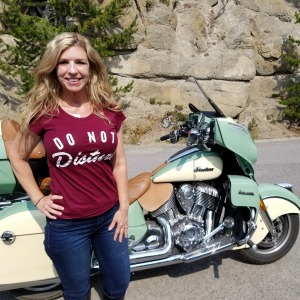
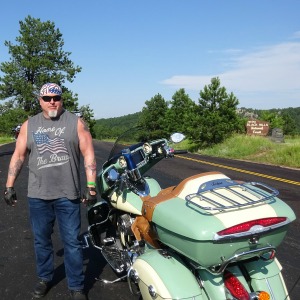
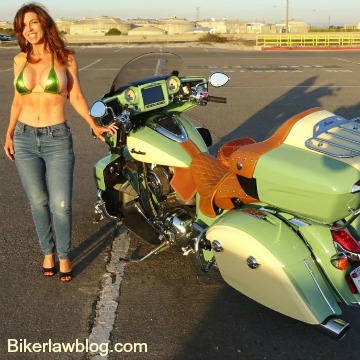
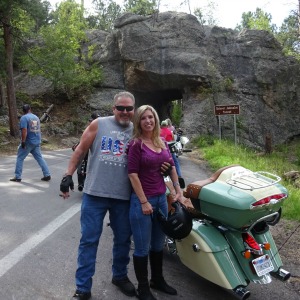
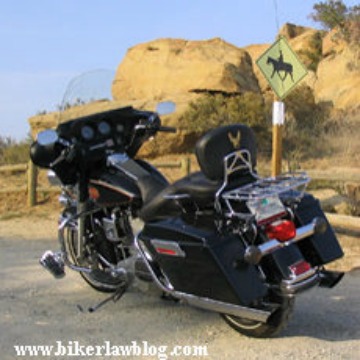
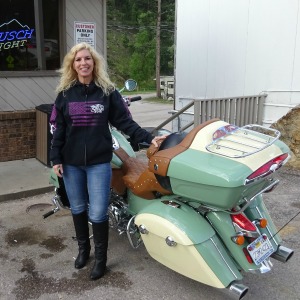
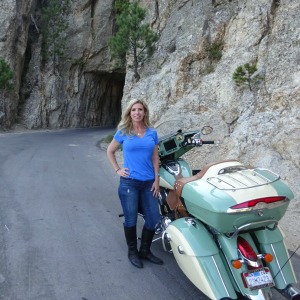
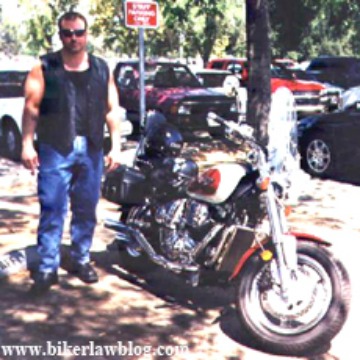
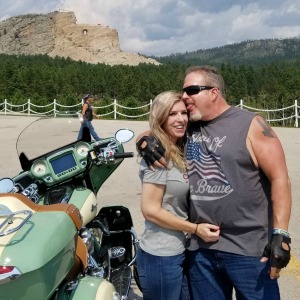
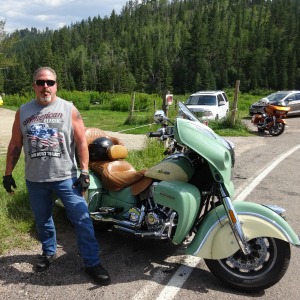
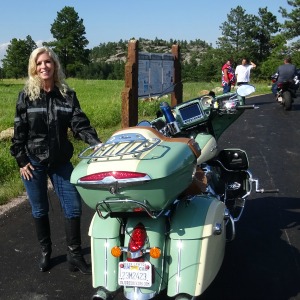
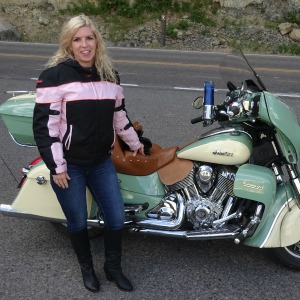
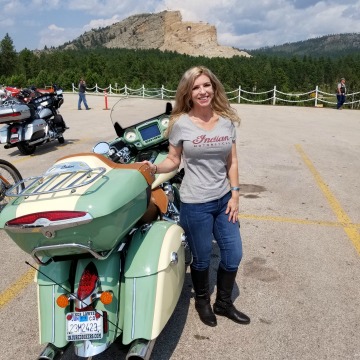
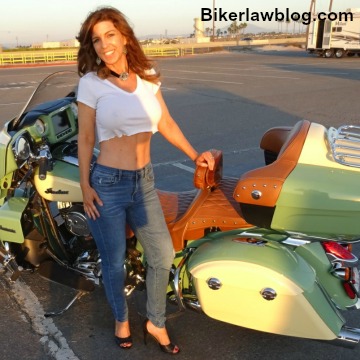
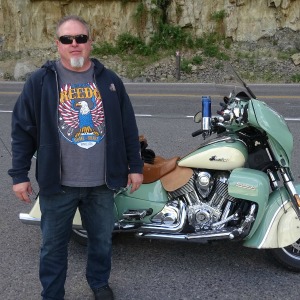
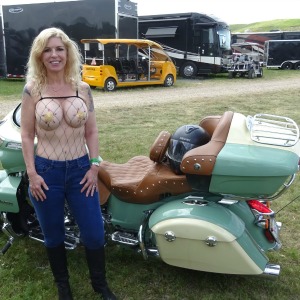
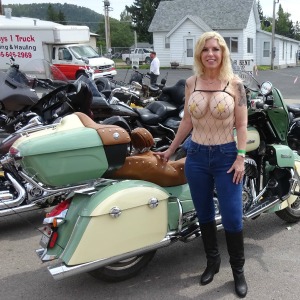
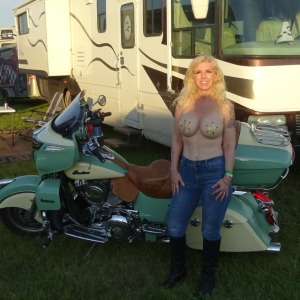
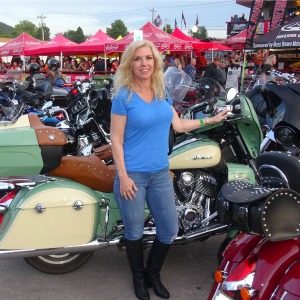
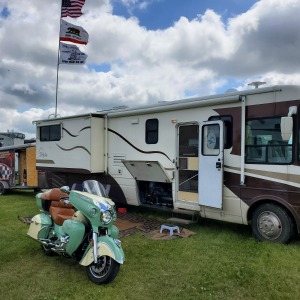
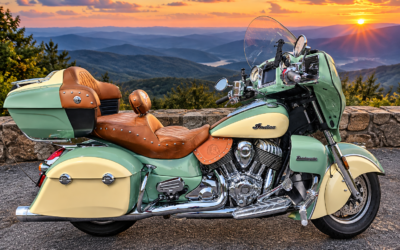
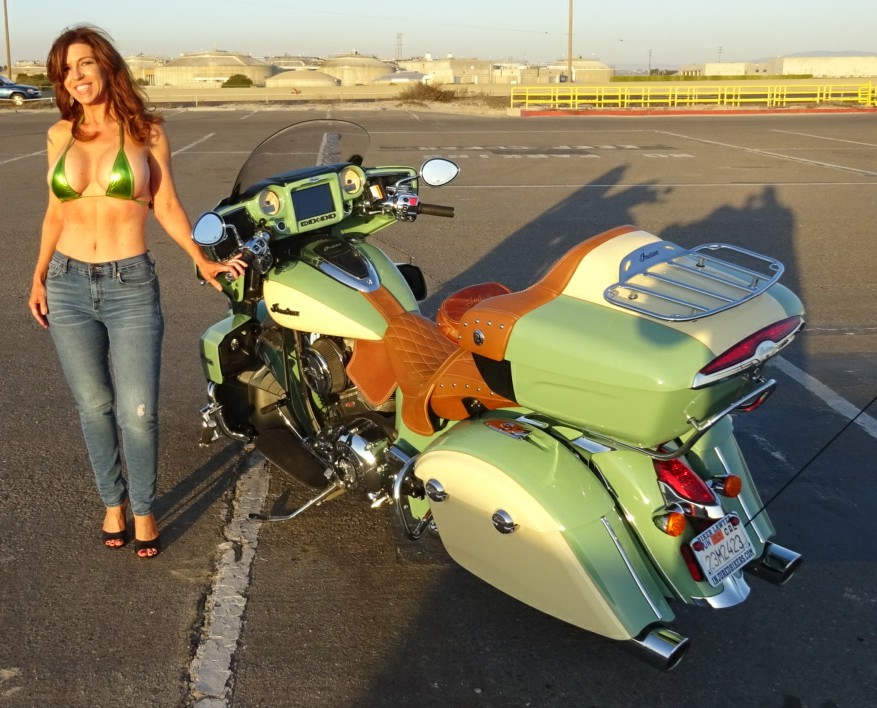
As a personal note, I bought an Indian Roadmaster new in 2017, and I absolutely love the motorcycle. In fact, I have never received as many compliments about a bike in my life, and I certainly didn’t buy it for attention—but that’s exactly what it gets everywhere I go. The only ongoing complaint I personally have is that the Indian dealer network is nowhere near as widespread or convenient as Harley-Davidson’s, which means I sometimes have to travel quite a distance just to obtain service. Also, for the last couple of years, the stereo system on my Roadmaster has had consistent Bluetooth connection problems with my Samsung Galaxy S25 Ultra, and Indian still has not come up with a fix. For a motorcycle in this price range, the Bluetooth should work properly—just like it does on all of my vehicles and other devices.
The sale of Indian Motorcycle may well mark the beginning of a new chapter — possibly one where Indian thrives free from the constraints of a diversified parent company. For riders and enthusiasts, this could bring renewed energy, refreshed models, and greater brand focus.
But with private equity now in the driver’s seat, there is risk. Riders should watch closely — for how Indian handles product quality, parts supply, dealer support, and the preservation of the brand’s heritage.
As always, time and execution — not headlines — will tell whether this deal is a rebirth for Indian Motorcycle… or just another corporate detour.
About the Author
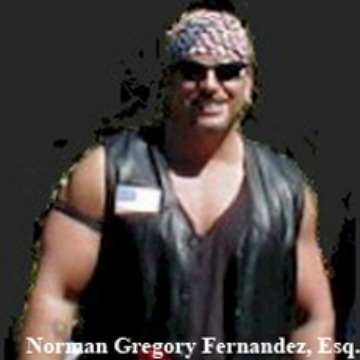
Norman Gregory Fernandez, Esq.
California Motorcycle Accident Attorney
Founder – The Law Offices of Norman Gregory Fernandez
Biker Law Blog – Protecting Injured Riders Since 1997
📞 1-800-816-1529
🌐 https://bikerlawblog.com
🌐 https://thepersonalinjury.com
If you or a loved one has been injured in a motorcycle accident anywhere in California, contact me personally for a free consultation.